The key points are temporarily unavailable. You can still read the full Story below.
Main Points
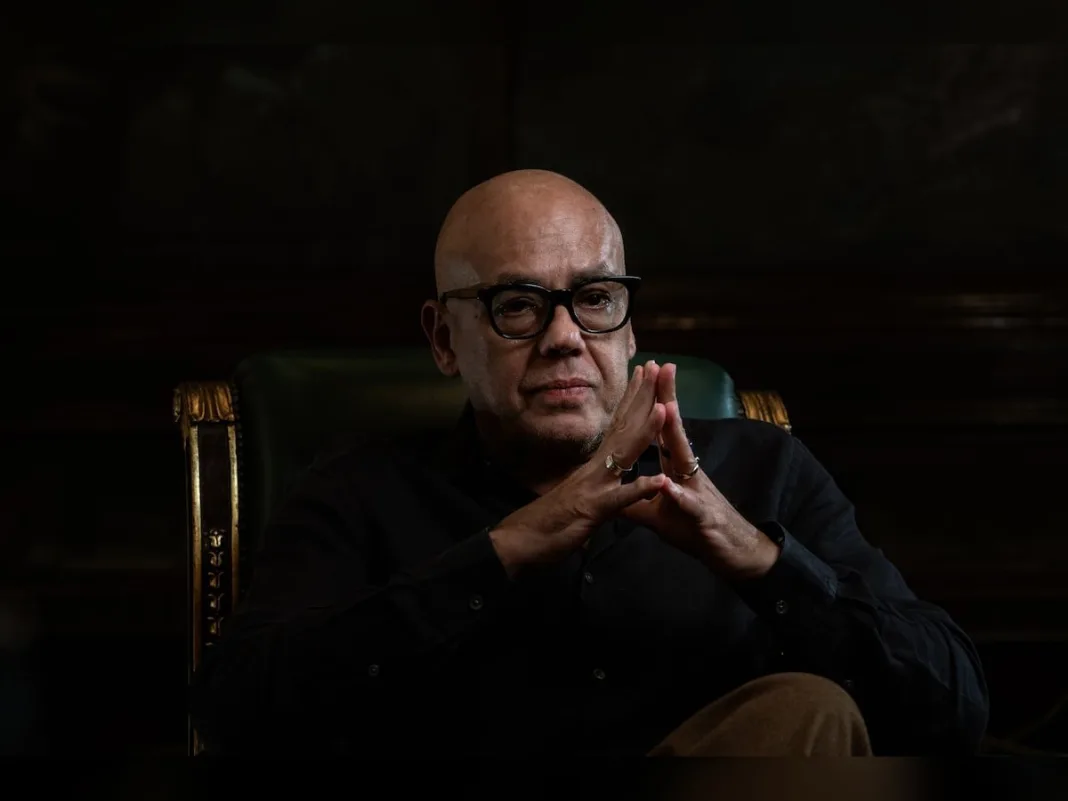
The United States has removed Jorge Rodríguez, president of Venezuela’s National Assembly and brother of interim president Delcy Rodríguez, from its Specially Designated Nationals (SDN) list. The Treasury Department announced the decision on Wednesday, lifting financial restrictions that previously barred Rodríguez from holding assets, conducting transactions, or entering the U.S. Rodríguez’s removal follows a broader thaw in U.S.-Venezuela relations, triggered by the January detention of former president Nicolás Maduro and his wife, Cilia Flores, who now face U.S. charges of drug trafficking, torture, and repression. Since then, Delcy Rodríguez has led negotiations with Washington, including a landmark agreement granting the U.S. majority control over one-fifth of Venezuela’s vast oil reserves—the world’s largest, estimated at 300 billion barrels. The deal, announced last August, signals a shift toward greater foreign involvement in Venezuela’s energy sector. The Treasury’s move aligns with earlier sanctions relief for Delcy Rodríguez, who was removed from the SDN list in April. Both siblings had been designated in 2018 as part of Washington’s efforts to target Maduro’s inner circle. The sanctions freeze included financial assets, real estate, and prohibited U.S. citizens or companies from engaging in transactions with them. With Rodríguez now off the blacklist, legal barriers to foreign investment in Venezuela’s oil industry are expected to ease further. Reuters reported that Delcy and Jorge Rodríguez are preparing to amend Venezuelan law to facilitate greater foreign participation—a development that could directly benefit U.S. energy firms and investors. The shift also allows Rodríguez to travel freely, including his September visit to New York for the UN General Assembly, where he met privately with President Trump to discuss the détente. The sanctions relief reflects a strategic recalibration by the Trump administration, prioritising economic engagement over isolationist policies. For U.S. businesses, the change opens new avenues in Venezuela’s oil sector, though risks—including political instability and regulatory uncertainty—remain. The move also underscores the growing influence of Delcy Rodríguez, who has positioned herself as the architect of Venezuela’s diplomatic and economic realignment with Washington.
The United States has removed Jorge Rodríguez, president of Venezuela’s National Assembly and brother of interim president Delcy Rodríguez, from its Specially Designated Nationals (SDN) list. The Treasury Department announced the decision on Wednesday, lifting financial restrictions that previously barred Rodríguez from holding assets, conducting transactions, or entering the U.S.
Rodríguez’s removal follows a broader thaw in U.S.-Venezuela relations, triggered by the January detention of former president Nicolás Maduro and his wife, Cilia Flores, who now face U.S. charges of drug trafficking, torture, and repression. Since then, Delcy Rodríguez has led negotiations with Washington, including a landmark agreement granting the U.S. majority control over one-fifth of Venezuela’s vast oil reserves—the world’s largest, estimated at 300 billion barrels. The deal, announced last August, signals a shift toward greater foreign involvement in Venezuela’s energy sector.
The Treasury’s move aligns with earlier sanctions relief for Delcy Rodríguez, who was removed from the SDN list in April. Both siblings had been designated in 2018 as part of Washington’s efforts to target Maduro’s inner circle. The sanctions freeze included financial assets, real estate, and prohibited U.S. citizens or companies from engaging in transactions with them.
With Rodríguez now off the blacklist, legal barriers to foreign investment in Venezuela’s oil industry are expected to ease further. Reuters reported that Delcy and Jorge Rodríguez are preparing to amend Venezuelan law to facilitate greater foreign participation—a development that could directly benefit U.S. energy firms and investors. The shift also allows Rodríguez to travel freely, including his September visit to New York for the UN General Assembly, where he met privately with President Trump to discuss the détente.
The sanctions relief reflects a strategic recalibration by the Trump administration, prioritising economic engagement over isolationist policies. For U.S. businesses, the change opens new avenues in Venezuela’s oil sector, though risks—including political instability and regulatory uncertainty—remain. The move also underscores the growing influence of Delcy Rodríguez, who has positioned herself as the architect of Venezuela’s diplomatic and economic realignment with Washington.
News Desk is the editorial publishing account for Tringlobe Media News, covering breaking news, public affairs, entertainment, community developments and regional stories across Trinidad and Tobago, the Caribbean and internationally.