The key points are temporarily unavailable. You can still read the full Story below.
Main Points
Joyce Carol Vincent was a vibrant 38-year-old woman living in North London when she passed away in late 2003. Despite her outgoing nature and connections in the finance industry, her death went unnoticed for over two years. It wasn’t until January 2006 that housing officials, entering her flat for repossession proceedings, discovered her remains on the sofa, with the television still on and wrapped Christmas presents nearby.
The absence of forced entry or foul play led investigators to conclude that Vincent likely died of natural causes, although the exact cause could not be determined due to the time elapsed. Her gradual withdrawal from social circles after leaving her job and staying in a shelter for women escaping domestic abuse contributed to her unnoticed disappearance. Her rent continued to be paid through housing benefits, leading neighbors to assume the flat was unoccupied.
Vincent’s story was later chronicled in the documentary Dreams of a Life, which delved into the circumstances surrounding her death and the broader implications of how someone could vanish in a bustling city like London. The film sparked discussions about the pervasive issues of loneliness and the importance of maintaining community ties.
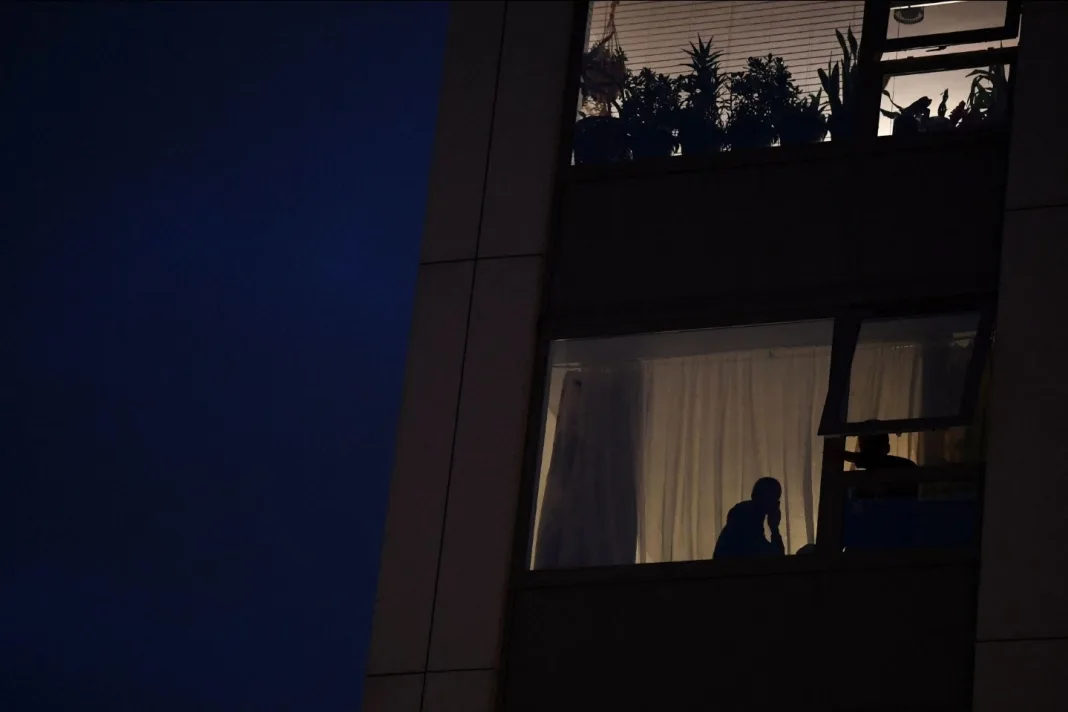
In today’s hyper-connected world, Joyce Vincent’s case serves as a poignant reminder of the necessity for genuine human connection. It underscores the critical need for society to remain vigilant and compassionate towards those who may be silently struggling, ensuring that no one is left behind in isolation.