The key points are temporarily unavailable. You can still read the full Story below.
Main Points
The United States has imposed a 12.5 per cent tariff on imports from Nigeria, citing the country’s failure to prohibit goods produced with forced labour. The measure, announced by the Office of the United States Trade Representative (USTR), targets 60 economies deemed to lack effective bans on forced labour imports.
Nigeria faces the higher tariff rate, while countries like India, Indonesia, and the United Kingdom, which have adopted or committed to forced labour import prohibitions, attract a lower 10 per cent rate. The USTR investigation, launched under Section 301 of the Trade Act, involved over 1,600 submissions and public hearings with more than 100 witnesses.
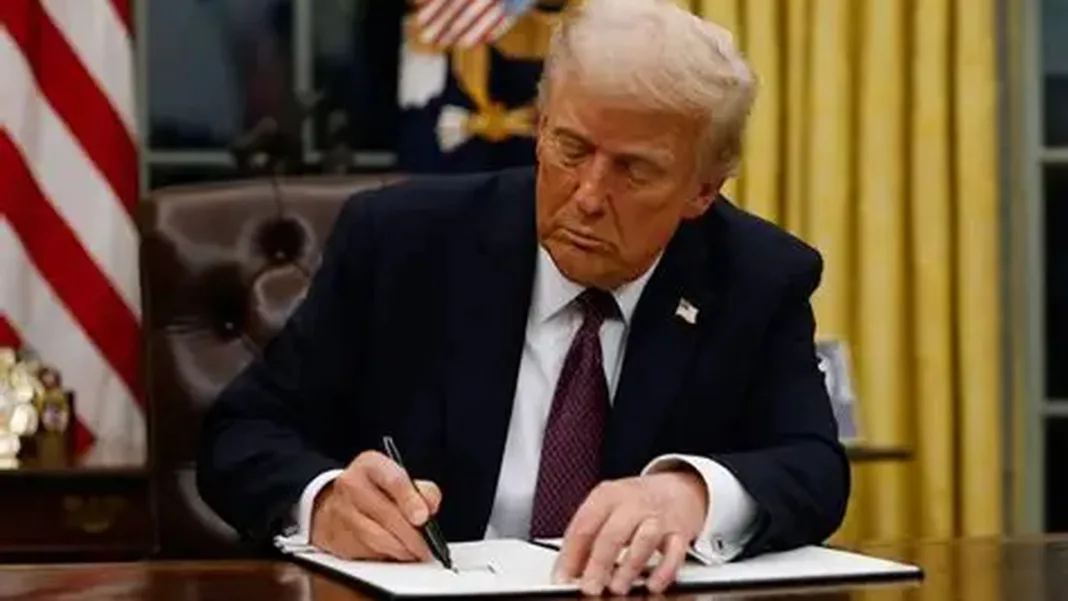
U.S. Trade Representative Jamieson Greer said the action was necessary to encourage trading partners to strengthen measures against forced labour. ‘President Trump recognises that decades of moral suasion have not eradicated forced labour from global supply chains,’ Greer stated.
The tariff applies to most Nigerian products, with exemptions for raw materials that could cause domestic supply shortages or economy-wide disruptions. The move follows President Donald Trump’s invocation of Section 122 of the Trade Act after the Supreme Court blocked his broader tariff plan.
For Nigeria, this development could have significant economic repercussions, as the U.S. remains a key export destination. Businesses and policymakers will need to assess the impact and consider steps to address the underlying concerns.
Article and image source: informationng.com