The key points are temporarily unavailable. You can still read the full Story below.
Main Points
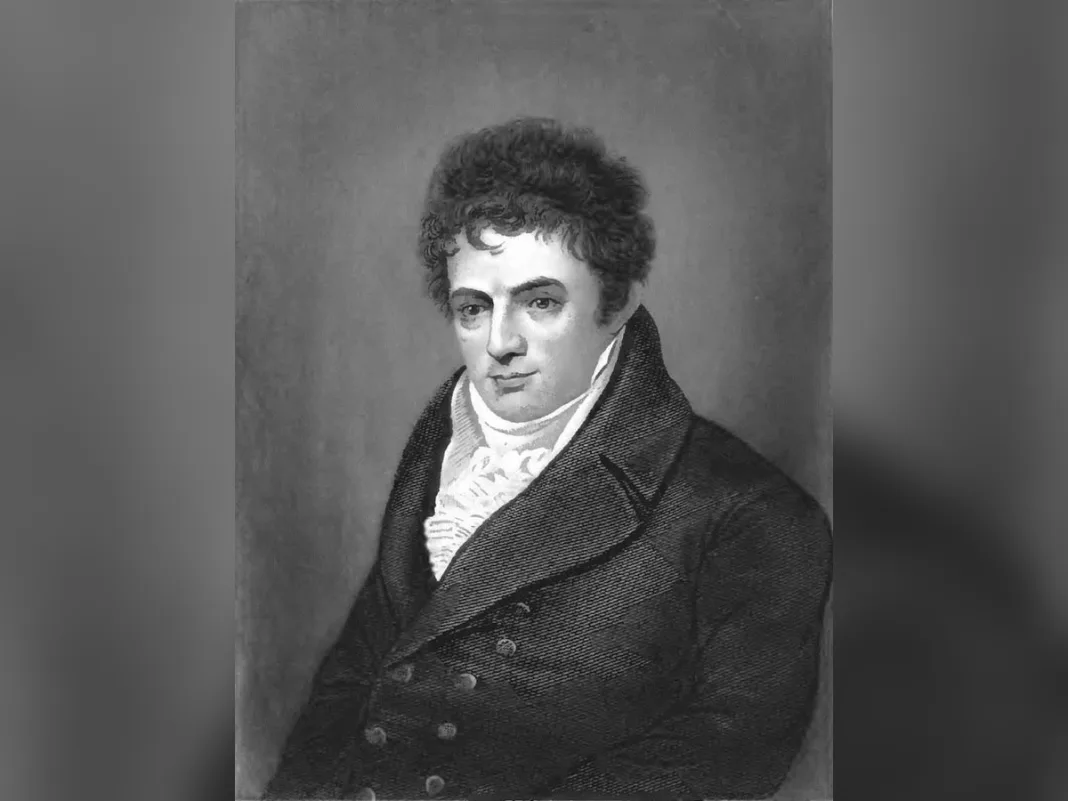
Robert Fulton is often credited with inventing the steamboat. The Smithsonian’s account offers a more precise description: he drew on other people’s inventions to establish a successful industry. His achievement illustrates why invention and practical innovation deserve different kinds of recognition. According to Smithsonian Education, Fulton’s boats, introduced in 1807, provided the first commercially successful steamboat service in the United States. That is a narrower claim than inventing steam-powered navigation, but a substantial one. It places his contribution in making an existing technological possibility commercially workable. Fulton began his career as an artist before turning to engineering. His work developed amid interest in applying efficient steam engines to transportation and making greater use of America’s navigable interior waterways. The Smithsonian describes his steamboats as having a powerful effect on trade, industry and western settlement. Those benefits came with hazards. The account also identifies collisions and boiler explosions as dangers of steamboat travel. Commercial success did not mean the technology had become free of serious risks. Fulton’s story challenges the familiar habit of assigning a complicated technological development to one celebrated inventor. The Smithsonian explicitly distinguishes his reputation as the steamboat’s creator from his documented role in building on earlier inventions. That distinction does not diminish the accomplishment. Turning technology into a service people could use was itself consequential. The more defensible account of Fulton’s legacy is therefore not a claim that he originated every essential idea, but recognition that he helped make steamboat transportation commercially successful in the United States.
Robert Fulton is often credited with inventing the steamboat. The Smithsonian’s account offers a more precise description: he drew on other people’s inventions to establish a successful industry. His achievement illustrates why invention and practical innovation deserve different kinds of recognition. According to Smithsonian Education, Fulton’s boats, introduced in 1807, provided the first commercially successful steamboat service in the United States. That is a narrower claim than inventing steam-powered navigation, but a substantial one. It places his contribution in making an existing technological possibility commercially workable. Fulton began his career as an artist before turning to engineering. His work developed amid interest in applying efficient steam engines to transportation and making greater use of America’s navigable interior waterways. The Smithsonian describes his steamboats as having a powerful effect on trade, industry and western settlement. Those benefits came with hazards. The account also identifies collisions and boiler explosions as dangers of steamboat travel. Commercial success did not mean the technology had become free of serious risks. Fulton’s story challenges the familiar habit of assigning a complicated technological development to one celebrated inventor. The Smithsonian explicitly distinguishes his reputation as the steamboat’s creator from his documented role in building on earlier inventions. That distinction does not diminish the accomplishment. Turning technology into a service people could use was itself consequential. The more defensible account of Fulton’s legacy is therefore not a claim that he originated every essential idea, but recognition that he helped make steamboat transportation commercially successful in the United States.
News Desk is the editorial publishing account for Tringlobe Media News, covering breaking news, public affairs, entertainment, community developments and regional stories across Trinidad and Tobago, the Caribbean and internationally.