The key points are temporarily unavailable. You can still read the full Story below.
Main Points
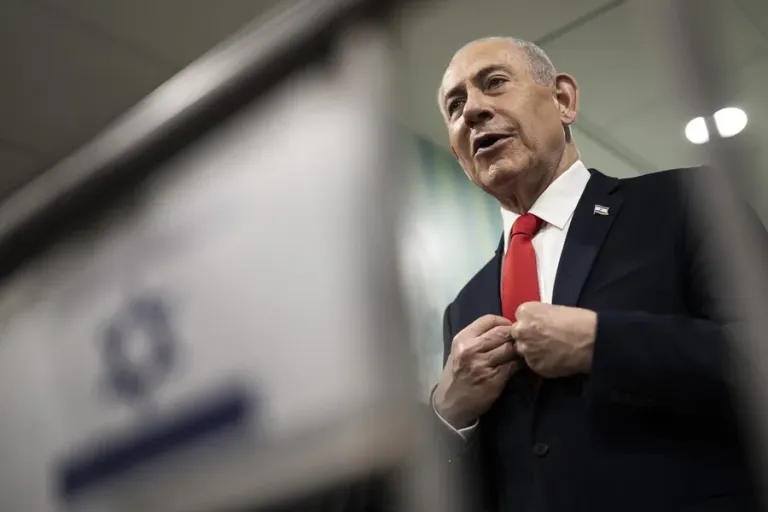
Israel’s general election, held on Tuesday, 27 October, has produced preliminary exit polls that suggest Prime Minister Benjamin Netanyahu’s Likud party will be the most voted-for party, but its coalition is unlikely to secure the 61 seats needed for a majority in the Knesset. According to early results from the main Israeli television networks, the opposition bloc is projected to win between 52 and 53 seats, while Netanyahu’s allies are expected to obtain around 50 seats, a difference of two to three seats that could complicate the formation of a new government. Likud, which won 32 seats in the 2022 election, is now projected to secure between 23 and 25 seats. Its coalition partners are expected to bring the total to about 50 seats. These partners include the religious Shas party led by Aryeh Deri, the far‑right “Judaism for the People” party headed by Bezalel Smotrich, the “Judaism for the People” party led by Itamar Ben Gvir, and the “United Torah Judaism” party. The opposition bloc is composed of Yashar! (led by former military chief Gadi Eisenkot), Beyajad (led by Naftali Benet), the Democrats (led by Yair Golán), and Israel Beitenu (led by Avigdor Liberman). None of the two blocs has an outright majority, meaning that the outcome will depend on negotiations with other parties. A significant factor in the election is the projected increase in seats for Arab parties. The joint Arab list is expected to win between 10 and 11 seats, while the Islamist Ra’am party could secure seven seats, bringing the total Arab representation to 17 or 18 seats. This rise could make Arab parties pivotal in forming a coalition, as neither Netanyahu’s bloc nor the opposition has enough seats on its own. Reactions from opposition leaders have highlighted the perceived shift in public sentiment. Gadi Eisenkot of Yashar! described the results as a victory for the opposition and expressed a willingness to work toward a new government. Former Prime Minister Yair Lapid said the official bloc had suffered a significant defeat and that voters had sent a clear message against Netanyahu’s continuation. Yair Golán of the Democrats also indicated readiness to negotiate with other opposition parties to build a new coalition. Avigdor Liberman of Israel Beitenu urged caution, noting that the final results would not be known until the counting of “double envelopes”—votes cast by citizens outside their usual residence, including soldiers, hospitalized patients, and prisoners—was completed. These votes could number up to 650,000 out of an electorate of approximately 7.3 million. The official results are expected between Thursday, 29 October, and Friday, 30 October. Until the final tally is announced, the future of Netanyahu’s government will depend on the official results and the subsequent negotiations among the parties represented in the Knesset. Article source: De Ultimo Minuto | Image credit: De Ultimo Minuto
Israel’s general election, held on Tuesday, 27 October, has produced preliminary exit polls that suggest Prime Minister Benjamin Netanyahu’s Likud party will be the most voted-for party, but its coalition is unlikely to secure the 61 seats needed for a majority in the Knesset. According to early results from the main Israeli television networks, the opposition bloc is projected to win between 52 and 53 seats, while Netanyahu’s allies are expected to obtain around 50 seats, a difference of two to three seats that could complicate the formation of a new government. Likud, which won 32 seats in the 2022 election, is now projected to secure between 23 and 25 seats. Its coalition partners are expected to bring the total to about 50 seats. These partners include the religious Shas party led by Aryeh Deri, the far‑right “Judaism for the People” party headed by Bezalel Smotrich, the “Judaism for the People” party led by Itamar Ben Gvir, and the “United Torah Judaism” party. The opposition bloc is composed of Yashar! (led by former military chief Gadi Eisenkot), Beyajad (led by Naftali Benet), the Democrats (led by Yair Golán), and Israel Beitenu (led by Avigdor Liberman). None of the two blocs has an outright majority, meaning that the outcome will depend on negotiations with other parties. A significant factor in the election is the projected increase in seats for Arab parties. The joint Arab list is expected to win between 10 and 11 seats, while the Islamist Ra’am party could secure seven seats, bringing the total Arab representation to 17 or 18 seats. This rise could make Arab parties pivotal in forming a coalition, as neither Netanyahu’s bloc nor the opposition has enough seats on its own. Reactions from opposition leaders have highlighted the perceived shift in public sentiment. Gadi Eisenkot of Yashar! described the results as a victory for the opposition and expressed a willingness to work toward a new government. Former Prime Minister Yair Lapid said the official bloc had suffered a significant defeat and that voters had sent a clear message against Netanyahu’s continuation. Yair Golán of the Democrats also indicated readiness to negotiate with other opposition parties to build a new coalition. Avigdor Liberman of Israel Beitenu urged caution, noting that the final results would not be known until the counting of “double envelopes”—votes cast by citizens outside their usual residence, including soldiers, hospitalized patients, and prisoners—was completed. These votes could number up to 650,000 out of an electorate of approximately 7.3 million. The official results are expected between Thursday, 29 October, and Friday, 30 October. Until the final tally is announced, the future of Netanyahu’s government will depend on the official results and the subsequent negotiations among the parties represented in the Knesset.
News Desk is the editorial publishing account for Tringlobe Media News, covering breaking news, public affairs, entertainment, community developments and regional stories across Trinidad and Tobago, the Caribbean and internationally.