The key points are temporarily unavailable. You can still read the full Story below.
Main Points
An early milestone in British heritage protection concerned just 50 prehistoric sites. The Ancient Monuments Protection Act 1882 made provision to protect them, marking the beginning of legislation specifically directed at the built cultural heritage, according to the supplied conservation overview. The law emerged during a broader period of interest in preservation. A nature conservation movement developed in England during the second half of the nineteenth century, alongside writing that connected the beauty of the natural environment with the case for protecting it. Public interest also encouraged organisations concerned with preserving species and places. The overview identifies the Society for the Protection of Birds and the National Trust for Places of Historic Interest and Natural Beauty among the institutions associated with that movement. During the first four decades of the twentieth century, calls grew for access to mountains, controls on urban development and the creation of nature reserves. Government involvement expanded at the end of the 1940s within post-war reconstruction planning, with the National Parks and Access to the Countryside Act 1949 forming a major legislative milestone. Further measures followed, including the Wildlife and Countryside Act 1981. Conservation strategies increasingly included creating designated places for nature, such as national nature reserves and Sites of Special Scientific Interest, through the work of governments and non-governmental organisations. The history brings together two related concerns: preserving evidence of human activity and protecting the natural environment. The 1882 provision for prehistoric sites is one specific starting point in a much wider story of how places came to be identified as deserving protection.
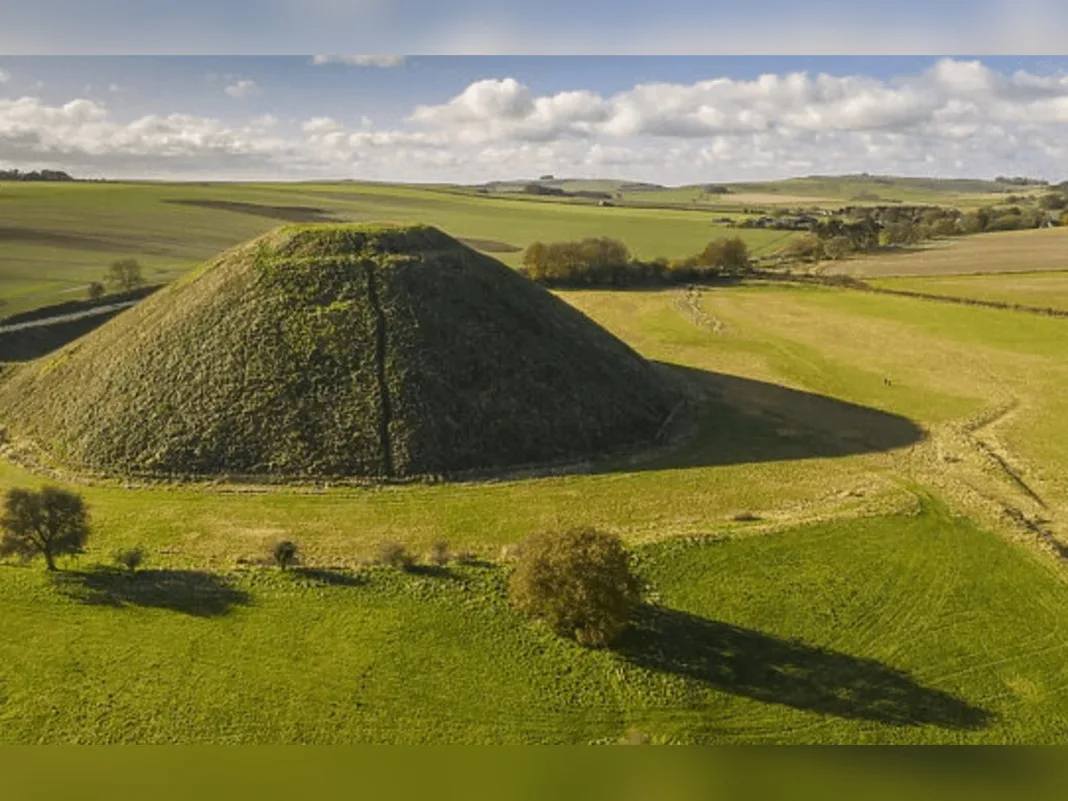
An early milestone in British heritage protection concerned just 50 prehistoric sites. The Ancient Monuments Protection Act 1882 made provision to protect them, marking the beginning of legislation specifically directed at the built cultural heritage, according to the supplied conservation overview.
The law emerged during a broader period of interest in preservation. A nature conservation movement developed in England during the second half of the nineteenth century, alongside writing that connected the beauty of the natural environment with the case for protecting it.
Public interest also encouraged organisations concerned with preserving species and places. The overview identifies the Society for the Protection of Birds and the National Trust for Places of Historic Interest and Natural Beauty among the institutions associated with that movement.
During the first four decades of the twentieth century, calls grew for access to mountains, controls on urban development and the creation of nature reserves. Government involvement expanded at the end of the 1940s within post-war reconstruction planning, with the National Parks and Access to the Countryside Act 1949 forming a major legislative milestone.
Further measures followed, including the Wildlife and Countryside Act 1981. Conservation strategies increasingly included creating designated places for nature, such as national nature reserves and Sites of Special Scientific Interest, through the work of governments and non-governmental organisations.
The history brings together two related concerns: preserving evidence of human activity and protecting the natural environment. The 1882 provision for prehistoric sites is one specific starting point in a much wider story of how places came to be identified as deserving protection.
News Desk is the editorial publishing account for Tringlobe Media News, covering breaking news, public affairs, entertainment, community developments and regional stories across Trinidad and Tobago, the Caribbean and internationally.