The key points are temporarily unavailable. You can still read the full Story below.
Main Points
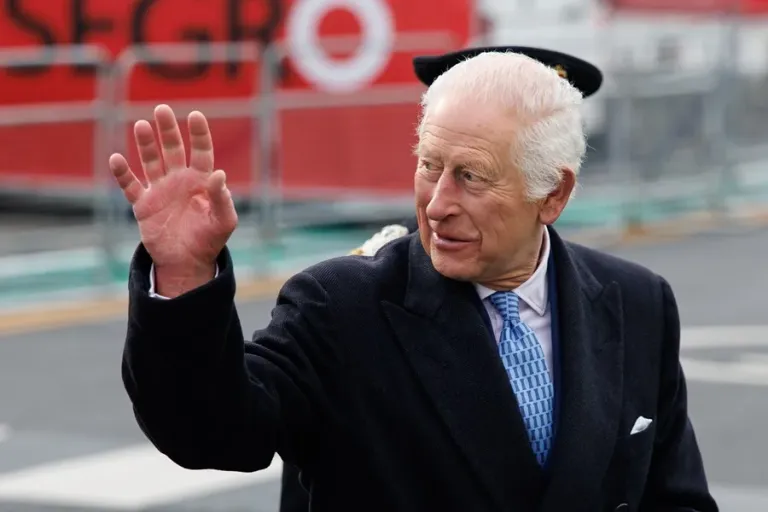
King Charles III returned to the Bahamas on Tuesday, 27 October, for his first official visit as monarch. The 53‑year‑old sovereign arrived in Nassau, the capital, to begin a Caribbean tour that will run until 4 November. The itinerary focuses on youth, environmental protection and cultural expression, and comes amid ongoing demands from former British colonies for apologies and reparations related to slavery and the trans‑Atlantic slave trade. Charles was received by Governor‑General Cynthia Pratt, Prime Minister Philip Davis, and Foreign Minister Fred Mitchell. Police and senior officers of the Royal Bahamas Defence Force also attended the welcome. The Bahamas, which gained independence from the United Kingdom in 1973, remains a Commonwealth realm with the king as head of state. Security arrangements were prepared by Bahamian authorities before the visit. The king’s arrival triggered temporary road closures on New Providence Island, the suspension of public school classes, and the suspension of activities at some commercial establishments. A symbolic highlight of the visit is Charles’s return to Clifford Park, the site of the 1973 independence celebrations. In 1973, then‑Prince of Wales Charles attended the ceremony on behalf of Queen Elizabeth II and delivered a message from the monarch to the Bahamian people. Fifty‑three years later, he returns as king to engage with the next generation and support the country’s development. Among the scheduled events is an exhibition titled “The Future of the Bahamas,” where youth organisations present initiatives in education, innovation and social progress. FEMStem Bahamas, a non‑profit that encourages secondary‑school students to pursue science, technology, engineering and mathematics, is one of the participants. The tour also includes visits to natural sites and cultural venues. Charles will tour a wildlife habitat on New Providence Island and visit the Royal Bahamas Defence Force’s Coral Harbour base. In Parliament Square, he will meet community representatives and experience Bahamian cultural expressions, including a Junkanoo festival performance. The king’s Caribbean itinerary extends to a state visit to Guyana, a republic, and participation in the Commonwealth Heads of Government Meeting scheduled for 1–4 November in Antigua and Barbuda. The visit is intended to strengthen ties between the British monarchy and Caribbean nations amid ongoing discussions about the region’s colonial past and its relationship with the United Kingdom. Article source: De Ultimo Minuto | Image credit: De Ultimo Minuto
King Charles III returned to the Bahamas on Tuesday, 27 October, for his first official visit as monarch. The 53‑year‑old sovereign arrived in Nassau, the capital, to begin a Caribbean tour that will run until 4 November. The itinerary focuses on youth, environmental protection and cultural expression, and comes amid ongoing demands from former British colonies for apologies and reparations related to slavery and the trans‑Atlantic slave trade. Charles was received by Governor‑General Cynthia Pratt, Prime Minister Philip Davis, and Foreign Minister Fred Mitchell. Police and senior officers of the Royal Bahamas Defence Force also attended the welcome. The Bahamas, which gained independence from the United Kingdom in 1973, remains a Commonwealth realm with the king as head of state. Security arrangements were prepared by Bahamian authorities before the visit. The king’s arrival triggered temporary road closures on New Providence Island, the suspension of public school classes, and the suspension of activities at some commercial establishments. A symbolic highlight of the visit is Charles’s return to Clifford Park, the site of the 1973 independence celebrations. In 1973, then‑Prince of Wales Charles attended the ceremony on behalf of Queen Elizabeth II and delivered a message from the monarch to the Bahamian people. Fifty‑three years later, he returns as king to engage with the next generation and support the country’s development. Among the scheduled events is an exhibition titled “The Future of the Bahamas,” where youth organisations present initiatives in education, innovation and social progress. FEMStem Bahamas, a non‑profit that encourages secondary‑school students to pursue science, technology, engineering and mathematics, is one of the participants. The tour also includes visits to natural sites and cultural venues. Charles will tour a wildlife habitat on New Providence Island and visit the Royal Bahamas Defence Force’s Coral Harbour base. In Parliament Square, he will meet community representatives and experience Bahamian cultural expressions, including a Junkanoo festival performance. The king’s Caribbean itinerary extends to a state visit to Guyana, a republic, and participation in the Commonwealth Heads of Government Meeting scheduled for 1–4 November in Antigua and Barbuda. The visit is intended to strengthen ties between the British monarchy and Caribbean nations amid ongoing discussions about the region’s colonial past and its relationship with the United Kingdom.
News Desk is the editorial publishing account for Tringlobe Media News, covering breaking news, public affairs, entertainment, community developments and regional stories across Trinidad and Tobago, the Caribbean and internationally.