The key points are temporarily unavailable. You can still read the full Story below.
Main Points
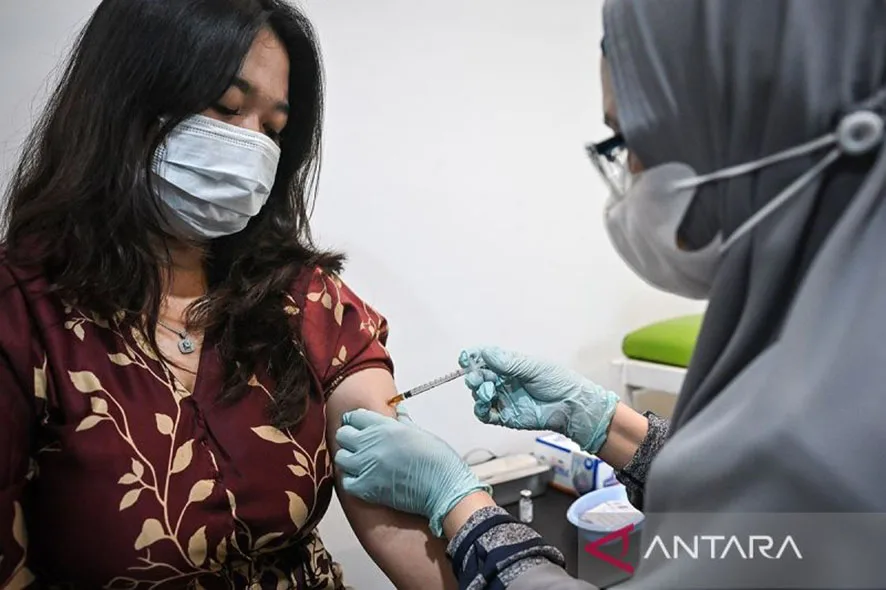
Vaccination Helps Prevent Health Risks During the Transition to the Rainy Season Jakarta, Oct. 28, 2026 – Dr. Sukamto Koesno, Sp.PD, K‑A.I, FINASIM, head of the Adult Immunization Task Force of the Indonesian Association of Internal Medicine Specialists (PAPDI), said that vaccination can reduce the risk of health complications when the dry season ends and the rainy season begins. “Because we have seen an increase in influenza A cases this year, especially the H1N1 strain, the most important vaccine is the influenza vaccine,” Koesno told ANTARA. “The vaccine must be repeated each year because the virus changes.” The influenza vaccine can be given at any time of year, but Koesno noted a tendency for cases to rise from September to January. He advised that vaccination before those months is preferable, but that it is still beneficial to receive it now, as immunity develops about two weeks after inoculation. Influenza A is transmitted through respiratory droplets and can cause fever, cough, sore throat, muscle aches, headache, and fatigue. Koesno highlighted other vaccines that can help protect against illnesses common in the rainy season, including: Pneumococcal vaccine to prevent pneumonia COVID‑19 vaccine for high‑risk groups Dengue vaccine, now available for people up to 45 years old Typhoid and hepatitis A vaccines for those living in flood‑prone areas “The groups we most recommend for vaccination are people over 60, those with chronic conditions such as diabetes, heart, lung, kidney, or autoimmune diseases, pregnant women, health workers, and people who travel frequently or work in crowded places,” Koesno said. He also warned that the transition to the rainy season can increase the spread of respiratory viruses such as influenza, respiratory syncytial virus (RSV), and COVID‑19, especially in closed indoor settings. Other health risks to watch for include acute respiratory infections, pneumonia, and influenza, particularly among the elderly and those with underlying conditions. In addition to vaccination, Koesno urged the public to maintain good hygiene and healthy habits: get enough sleep, eat a balanced diet rich in fruits and vegetables, stay hydrated, remain physically active, wash hands regularly, and wear a mask when coughing, sneezing, or in crowded places. Article source: Koran Jakarta | Image credit: Koran Jakarta
Vaccination Helps Prevent Health Risks During the Transition to the Rainy Season Jakarta, Oct. 28, 2026 – Dr. Sukamto Koesno, Sp.PD, K‑A.I, FINASIM, head of the Adult Immunization Task Force of the Indonesian Association of Internal Medicine Specialists (PAPDI), said that vaccination can reduce the risk of health complications when the dry season ends and the rainy season begins. “Because we have seen an increase in influenza A cases this year, especially the H1N1 strain, the most important vaccine is the influenza vaccine,” Koesno told ANTARA. “The vaccine must be repeated each year because the virus changes.” The influenza vaccine can be given at any time of year, but Koesno noted a tendency for cases to rise from September to January. He advised that vaccination before those months is preferable, but that it is still beneficial to receive it now, as immunity develops about two weeks after inoculation. Influenza A is transmitted through respiratory droplets and can cause fever, cough, sore throat, muscle aches, headache, and fatigue. Koesno highlighted other vaccines that can help protect against illnesses common in the rainy season, including: Pneumococcal vaccine to prevent pneumonia COVID‑19 vaccine for high‑risk groups Dengue vaccine, now available for people up to 45 years old Typhoid and hepatitis A vaccines for those living in flood‑prone areas “The groups we most recommend for vaccination are people over 60, those with chronic conditions such as diabetes, heart, lung, kidney, or autoimmune diseases, pregnant women, health workers, and people who travel frequently or work in crowded places,” Koesno said. He also warned that the transition to the rainy season can increase the spread of respiratory viruses such as influenza, respiratory syncytial virus (RSV), and COVID‑19, especially in closed indoor settings. Other health risks to watch for include acute respiratory infections, pneumonia, and influenza, particularly among the elderly and those with underlying conditions. In addition to vaccination, Koesno urged the public to maintain good hygiene and healthy habits: get enough sleep, eat a balanced diet rich in fruits and vegetables, stay hydrated, remain physically active, wash hands regularly, and wear a mask when coughing, sneezing, or in crowded places.
News Desk is the editorial publishing account for Tringlobe Media News, covering breaking news, public affairs, entertainment, community developments and regional stories across Trinidad and Tobago, the Caribbean and internationally.