The key points are temporarily unavailable. You can still read the full Story below.
Main Points
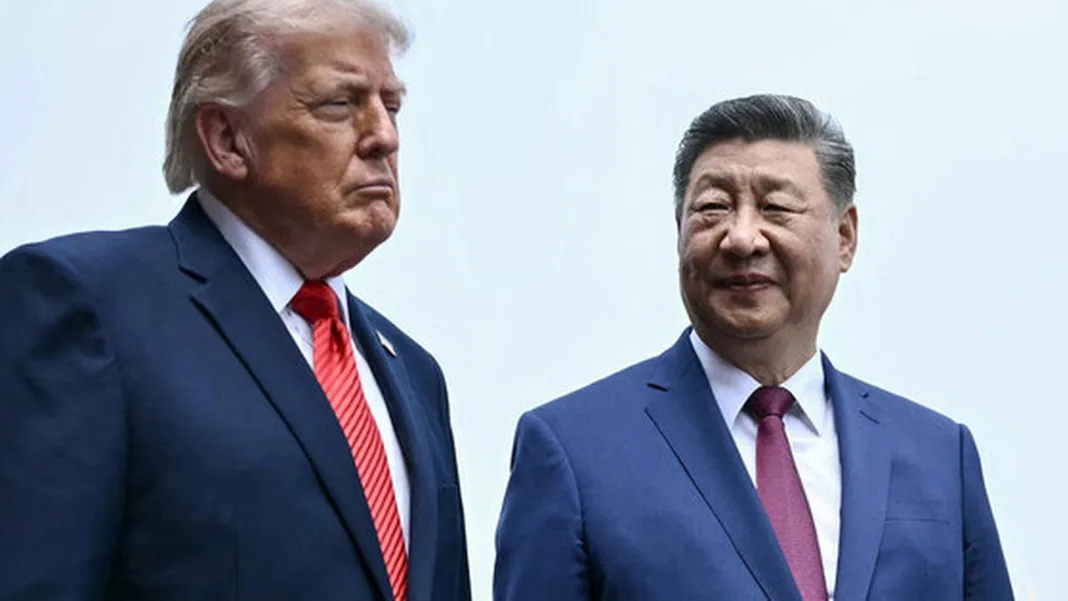
A proposed 14 billion dollar United States arms sale to Taiwan has become a central point of contention ahead of a scheduled meeting between President Donald Trump and Chinese President Xi Jinping. According to a report by The New York Times, Beijing is urging the Trump administration to maintain a freeze on the transaction, while Taipei maintains that the defensive equipment is essential for regional security.
The proposed package includes missiles, anti-drone systems, and air-defense infrastructure. President Trump has previously deferred approval of the sale, describing the transaction as a potential negotiating chip in his diplomatic dealings with China. Beijing, which claims sovereignty over Taiwan, consistently opposes military sales between the United States and the self-governed island.
Analysts suggest that Beijing is attempting to delay the review process to allow China’s military modernization to outpace Taiwan’s defensive capabilities. Xin Qiang, director of the Centre for Taiwan Studies at Fudan University, stated that the status of Taiwan remains a primary factor capable of causing a diplomatic rupture between the two nations. If the United States proceeds with the sale, reports indicate that Beijing may consider countermeasures, such as restricting rare-earth exports or potentially impacting President Xi’s attendance at the upcoming Group of 20 summit in Miami.
For Taiwanese President Lai Ching-te, the delay creates domestic political challenges, as his administration has sought to increase defense spending and procurement. Despite the current uncertainty, Taiwanese officials and defense experts note that operational security cooperation between Washington and Taipei continues, including the presence of American military advisers during recent training exercises.
The arms dispute is expected to be a significant topic during the Washington summit, which will also cover trade, technological competition, artificial intelligence policies, and other geopolitical issues. This approach marks a shift from President Trump’s first term, during which his administration approved approximately 18 billion dollars in defensive equipment for Taiwan.
Article and image source: chinanationalnews.com