The key points are temporarily unavailable. You can still read the full Story below.
Main Points
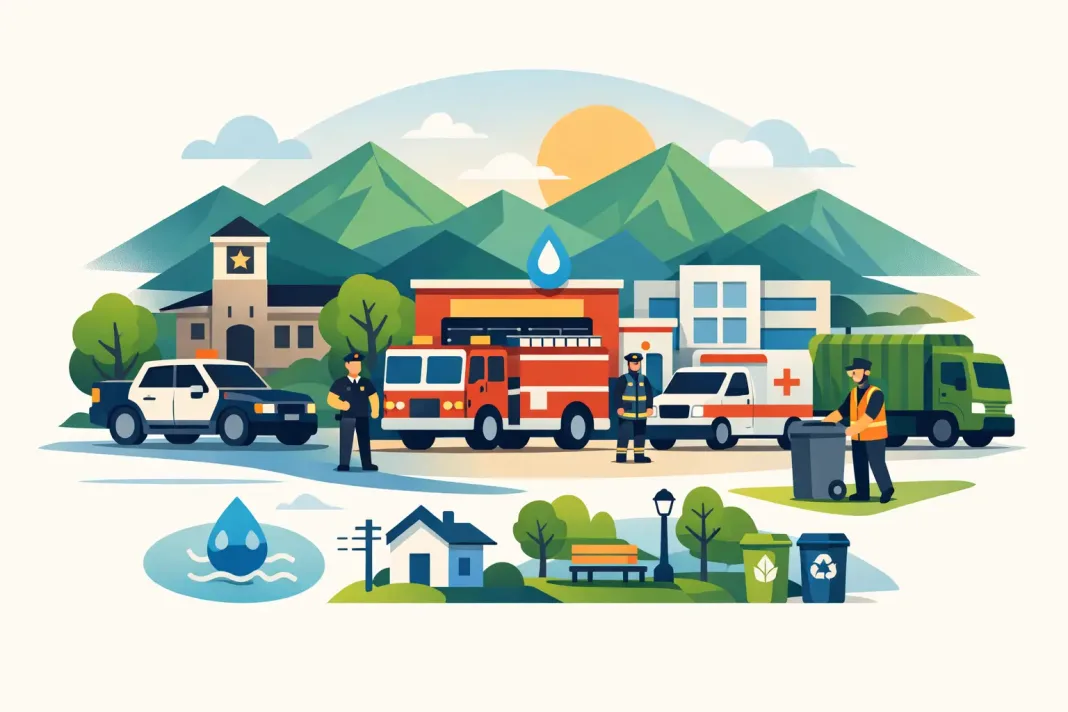
A blocked drain is rarely just a blocked drain. By the time water enters a home, a school route becomes impassable or a business loses a day of trade, the problem has moved well beyond a photograph on social media. Trinidad municipal services news is about the everyday systems that decide whether communities can function with safety, dignity and some peace of mind. For residents from Sangre Grande to Siparia, Chaguanas to Port of Spain, the biggest public-interest stories are not always announced at a podium. They are often found in an overgrown lot, an uncollected pile of refuse, a dark streetlight or a minor road that has become a serious hazard after weeks of rain. These issues can look small from a distance. Up close, they shape how people get to work, care for children, run a business and protect their property. Why municipal services deserve closer attention Municipal services sit at the point where government becomes real. A resident may not follow every parliamentary debate, but they know when a drain has not been cleared, when garbage collection is disrupted or when public spaces are left to deteriorate. These are the services people see from their gate, through their windscreen and on the walk home. That is why reporting cannot stop at a press release saying that work has begun or a team has been deployed. The public needs to know where work is taking place, what problem it is expected to fix, how long it should take and who can be contacted if it does not happen. A statement of intent is not the same as a completed job. There is also a fairness question. Communities with strong online voices, active groups or easy access to elected representatives may attract quicker attention. Smaller villages and areas where residents are less connected can wait longer to be heard. Community reporting helps close that gap by showing that a concern in a side street is still a public concern. The issues residents watch most closely Drains, flooding and the cost of delay Drainage remains one of the clearest tests of public preparedness, particularly during heavy rainfall. Residents are rightly frustrated when channels are cleared only after flooding, or when a drain is cleaned in one location while a blockage further along leaves water with nowhere to go. But drainage reporting needs context. Not every flood can be blamed on one municipal corporation. Some problems involve watercourses, major infrastructure, private development, dumped debris, utility works or agencies with separate responsibilities. That distinction matters because it tells residents where accountability should sit. Still, shared responsibility must not become a convenient excuse. Where several bodies have a role, the public deserves a clear answer on who is leading, what is being done and when the work will be finished. Images of flooded homes are powerful, but the follow-up is what turns attention into accountability. Waste collection and public health Refuse collection is another issue that can change the mood of a community quickly. When schedules are missed, bins overflow, stray animals scatter garbage and residents can feel that their neighbourhood has been abandoned. During hot conditions, the concern is not only appearance. Waste can create sanitation issues and add pressure to drains when rubbish is washed into waterways. The story is not always as simple as a missed collection. Vehicle breakdowns, staffing shortages, disposal arrangements, industrial action and illegal dumping can all affect the service. Residents need straight information, not rumours passed from one WhatsApp group to another. If a route has been delayed, say so. If alternative arrangements are in place, state where and when. If people are being asked not to place bulk waste at the roadside, explain why and what option is available instead. Roads, lights and spaces people use every day A pothole can damage a vehicle. A failed streetlight can change how safe a person feels walking home. An uncut recreation ground can deny children and families a place to play. These are not cosmetic complaints. They influence safety, mobility, health and confidence in local government. The public also needs clarity over which authority manages a particular road, light or public space. People often report a problem to the closest office, only to learn later that another agency has jurisdiction. Better public information would reduce that runaround. It would also make it easier to track whether an issue has been logged, assessed and resolved. What strong Trinidad municipal services news should ask The strongest coverage begins with the people affected, but it does not end there. It checks the claim, seeks a response from the relevant authority and keeps the focus on practical outcomes. A resident may say a drain has been blocked for months. That is an important lead, not automatic proof. Journalists should verify the location, establish the scale of the problem and give officials a fair chance to respond. The questions should be direct: When was the issue first reported? Which body is responsible? Has an inspection been carried out? Is funding approved? What temporary protection is available if permanent works will take time? Who will update residents? Those questions matter because official language can sometimes hide the real position. “Works are being considered” is not the same as a contract being awarded. “The matter has been referred” does not tell a family when floodwater will stop entering their yard. Clear reporting translates bureaucracy into consequences people can understand. It also means returning after the cameras leave. A clean-up exercise may improve conditions for a week, but did the garbage return? A drain may be cleared, but was the outlet repaired? A road may be patched, but did the repairs survive the next rainfall? Public service news earns trust when it follows the work through. Community voices can improve the response Residents are often the first people to see a problem developing. They know the corner that floods before a major downpour, the illegal dumping site that keeps returning and the road where schoolchildren have to step into traffic. Their photos, videos and reports can help alert the wider public quickly. But speed must be matched with care. A short clip may show water on a roadway without showing whether the source is a blocked drain, a burst pipe or an overflowing watercourse. Posts should include the correct location, the date and, where possible, a clear view of the issue. People should avoid naming or accusing workers or private individuals without evidence. For newsrooms such as TrinGlobe News, community tips are most valuable when they lead to verified reporting rather than online outrage alone. A good tip gives a reporter a place to start. A good report gives residents information they can use. Accountability also requires realistic expectations There is no value in pretending every problem can be repaired overnight. Major drainage works, road rehabilitation and replacement equipment require planning, money and coordination. Weather can delay work. Access to private land can complicate it. In some cases, a quick repair may be sensible; in others, it may simply fail again because the deeper problem has not been addressed. Residents deserve honesty about those trade-offs. They should be told when a temporary measure is all that can be done immediately, and when a larger project is planned. What they should not have to accept is silence, conflicting answers or a cycle where the same complaint is treated as new every few months. Local services may not always produce the loudest headlines, but they reveal a great deal about how public institutions value the places people call home. Keep sending the reports, keep asking for timelines and keep checking whether the promised work reached the street where it was needed.
A blocked drain is rarely just a blocked drain. By the time water enters a home, a school route becomes impassable or a business loses a day of trade, the problem has moved well beyond a photograph on social media. Trinidad municipal services news is about the everyday systems that decide whether communities can function with safety, dignity and some peace of mind.
For residents from Sangre Grande to Siparia, Chaguanas to Port of Spain, the biggest public-interest stories are not always announced at a podium. They are often found in an overgrown lot, an uncollected pile of refuse, a dark streetlight or a minor road that has become a serious hazard after weeks of rain. These issues can look small from a distance. Up close, they shape how people get to work, care for children, run a business and protect their property.
Why municipal services deserve closer attention
Municipal services sit at the point where government becomes real. A resident may not follow every parliamentary debate, but they know when a drain has not been cleared, when garbage collection is disrupted or when public spaces are left to deteriorate. These are the services people see from their gate, through their windscreen and on the walk home.
That is why reporting cannot stop at a press release saying that work has begun or a team has been deployed. The public needs to know where work is taking place, what problem it is expected to fix, how long it should take and who can be contacted if it does not happen. A statement of intent is not the same as a completed job.
There is also a fairness question. Communities with strong online voices, active groups or easy access to elected representatives may attract quicker attention. Smaller villages and areas where residents are less connected can wait longer to be heard. Community reporting helps close that gap by showing that a concern in a side street is still a public concern.
The issues residents watch most closely
Drains, flooding and the cost of delay
Drainage remains one of the clearest tests of public preparedness, particularly during heavy rainfall. Residents are rightly frustrated when channels are cleared only after flooding, or when a drain is cleaned in one location while a blockage further along leaves water with nowhere to go.
But drainage reporting needs context. Not every flood can be blamed on one municipal corporation. Some problems involve watercourses, major infrastructure, private development, dumped debris, utility works or agencies with separate responsibilities. That distinction matters because it tells residents where accountability should sit.
Still, shared responsibility must not become a convenient excuse. Where several bodies have a role, the public deserves a clear answer on who is leading, what is being done and when the work will be finished. Images of flooded homes are powerful, but the follow-up is what turns attention into accountability.
Waste collection and public health
Refuse collection is another issue that can change the mood of a community quickly. When schedules are missed, bins overflow, stray animals scatter garbage and residents can feel that their neighbourhood has been abandoned. During hot conditions, the concern is not only appearance. Waste can create sanitation issues and add pressure to drains when rubbish is washed into waterways.
The story is not always as simple as a missed collection. Vehicle breakdowns, staffing shortages, disposal arrangements, industrial action and illegal dumping can all affect the service. Residents need straight information, not rumours passed from one WhatsApp group to another. If a route has been delayed, say so. If alternative arrangements are in place, state where and when. If people are being asked not to place bulk waste at the roadside, explain why and what option is available instead.
Roads, lights and spaces people use every day
A pothole can damage a vehicle. A failed streetlight can change how safe a person feels walking home. An uncut recreation ground can deny children and families a place to play. These are not cosmetic complaints. They influence safety, mobility, health and confidence in local government.
The public also needs clarity over which authority manages a particular road, light or public space. People often report a problem to the closest office, only to learn later that another agency has jurisdiction. Better public information would reduce that runaround. It would also make it easier to track whether an issue has been logged, assessed and resolved.
What strong Trinidad municipal services news should ask
The strongest coverage begins with the people affected, but it does not end there. It checks the claim, seeks a response from the relevant authority and keeps the focus on practical outcomes. A resident may say a drain has been blocked for months. That is an important lead, not automatic proof. Journalists should verify the location, establish the scale of the problem and give officials a fair chance to respond.
The questions should be direct: When was the issue first reported? Which body is responsible? Has an inspection been carried out? Is funding approved? What temporary protection is available if permanent works will take time? Who will update residents?
Those questions matter because official language can sometimes hide the real position. “Works are being considered” is not the same as a contract being awarded. “The matter has been referred” does not tell a family when floodwater will stop entering their yard. Clear reporting translates bureaucracy into consequences people can understand.
It also means returning after the cameras leave. A clean-up exercise may improve conditions for a week, but did the garbage return? A drain may be cleared, but was the outlet repaired? A road may be patched, but did the repairs survive the next rainfall? Public service news earns trust when it follows the work through.
Community voices can improve the response
Residents are often the first people to see a problem developing. They know the corner that floods before a major downpour, the illegal dumping site that keeps returning and the road where schoolchildren have to step into traffic. Their photos, videos and reports can help alert the wider public quickly.
But speed must be matched with care. A short clip may show water on a roadway without showing whether the source is a blocked drain, a burst pipe or an overflowing watercourse. Posts should include the correct location, the date and, where possible, a clear view of the issue. People should avoid naming or accusing workers or private individuals without evidence.
For newsrooms such as TrinGlobe News, community tips are most valuable when they lead to verified reporting rather than online outrage alone. A good tip gives a reporter a place to start. A good report gives residents information they can use.
Accountability also requires realistic expectations
There is no value in pretending every problem can be repaired overnight. Major drainage works, road rehabilitation and replacement equipment require planning, money and coordination. Weather can delay work. Access to private land can complicate it. In some cases, a quick repair may be sensible; in others, it may simply fail again because the deeper problem has not been addressed.
Residents deserve honesty about those trade-offs. They should be told when a temporary measure is all that can be done immediately, and when a larger project is planned. What they should not have to accept is silence, conflicting answers or a cycle where the same complaint is treated as new every few months.
Local services may not always produce the loudest headlines, but they reveal a great deal about how public institutions value the places people call home. Keep sending the reports, keep asking for timelines and keep checking whether the promised work reached the street where it was needed.