The key points are temporarily unavailable. You can still read the full Story below.
Main Points
As the 81st session of the United Nations General Assembly convenes, the United Nations is navigating a significantly altered political landscape in the Sahel. Following the 2023 withdrawal of the United Nations Multidimensional Integrated Stabilization Mission in Mali (MINUSMA) at the request of the country’s transitional government, the organization has transitioned from a large-scale peacekeeping presence to a role focused on diplomacy, humanitarian aid, and development.
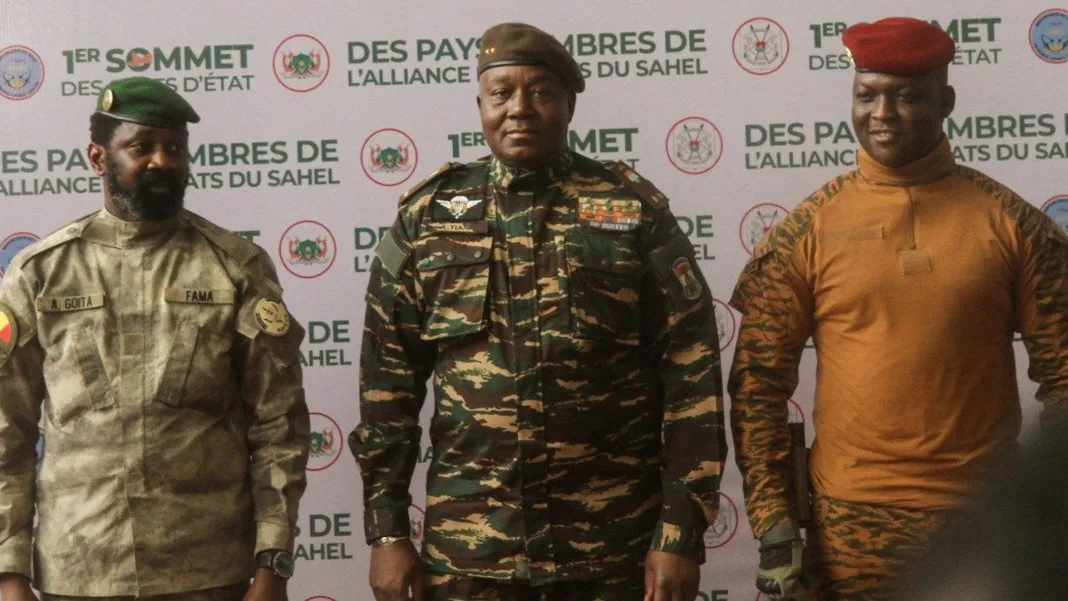
The regional political architecture has shifted as Burkina Faso, Mali, and Niger formally exited the Economic Community of West African States (ECOWAS) in January 2025. These nations have since strengthened their cooperation through the Alliance of Sahel States (AES), prioritizing national sovereignty and strategic autonomy. This shift has complicated the United Nations’ traditional engagement strategies, as the regional governments increasingly seek to manage their own security and political affairs.
Mubarak Aliyu, a political and security analyst based in Nigeria, noted that the influence of the United Nations has become more constrained as AES states have dismantled mechanisms that previously provided leverage to international institutions. Aliyu observed that Russia’s Africa Corps has emerged as a significant security partner for the military governments in Mali and Niger, providing a form of regime protection that the United Nations was not positioned to offer.
In February 2026, the United Nations Security Council extended the mandate of the UN Office for West Africa and the Sahel (UNOWAS) until January 31, 2029. The Council has requested an independent strategic review of the mission’s activities, which is scheduled for completion by September 30, 2026. UNOWAS currently functions as a special political mission, focusing on preventive diplomacy, mediation, and support for political dialogue.
Despite the reduction in military presence, the Sahel continues to face significant challenges, including armed violence, displacement, food insecurity, and the impacts of climate change. Kabir Adamu, founder of Beacon Security and Innovations Limited, suggested that the United Nations should pivot its approach toward strengthening security sector governance and addressing the root causes of regional instability. Adamu emphasized that the organization should prioritize inclusive mediation and work through existing regional frameworks, such as the Multinational Joint Task Force and the Accra Initiative.
As the General Debate of the 81st UN General Assembly begins, the United Nations faces the challenge of maintaining its relevance in a region where its role has shifted from a primary security actor to an advocate and service provider. While the organization continues to facilitate humanitarian operations and political dialogue, its ability to shape regional outcomes remains limited by the preference of Sahelian governments for alternative security partnerships and their emphasis on sovereign control.
Article and image source: aljazeera.com