The key points are temporarily unavailable. You can still read the full Story below.
Main Points
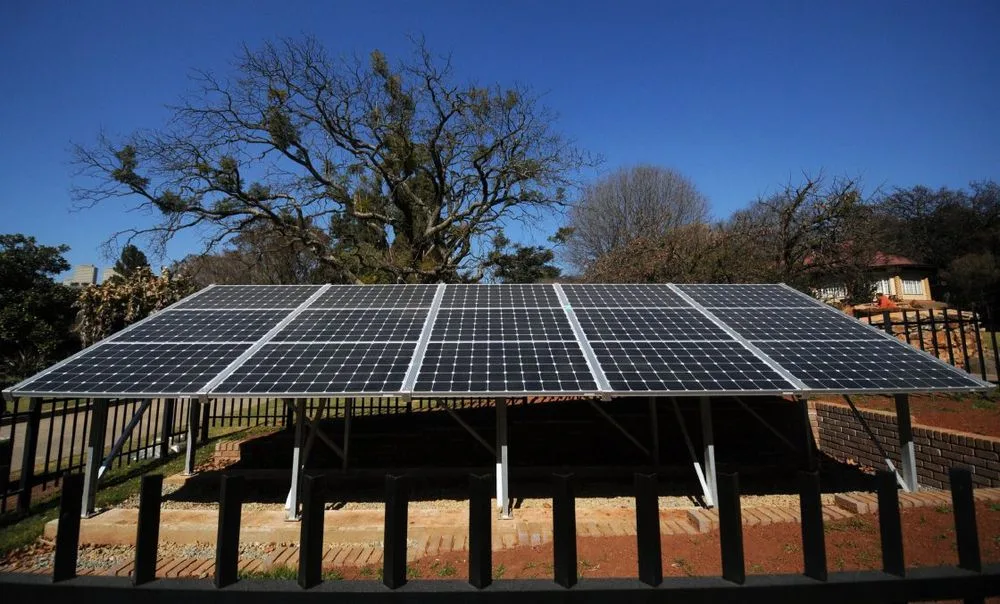
The South African solar industry is facing a wave of instability, with 56 solar companies reportedly closing their doors this year. Industry experts warn that this volatility, combined with an influx of inexperienced installers, has left many homeowners with substandard systems that pose significant safety risks. Marius Rudolph, founder of the installation firm Your Solar SA, stated in a recent interview on the Nabob Media podcast that the market has been saturated by individuals lacking the necessary expertise to perform safe installations. Rudolph noted that his company is frequently called to repair systems installed by competitors that fail to meet national safety standards. According to Rudolph, nine out of ten competitor quotes he reviews involve the use of inferior equipment, including inadequate lightning protection, insufficient surge arresters, improper earthing, and undersized cabling. Rudolph emphasized the inherent fire risks associated with lithium-based battery systems, noting that while manufacturers incorporate fire suppression technology, improper installation—particularly regarding earthing—remains a major hazard. He cited instances where installers failed to properly test earthing systems, forcing homeowners to pay significant additional costs to bring their installations up to code. Beyond safety concerns, Rudolph highlighted predatory business practices, such as "bait-and-switch" tactics where initial quotes are significantly increased once work begins. He also warned against illegal practices, such as failing to charge VAT, which he noted leaves customers vulnerable if the business is eventually shut down by tax authorities. Furthermore, he reported that some installers have emigrated, leaving their clients with no support for their systems. Rudolph also cautioned against rent-to-own solar agreements, describing them as restrictive and financially disadvantageous. He noted that these deals often carry interest rates between 17% and 18%, whereas personal bank loans typically range from 10% to 12%. He advised homeowners to secure their own financing through traditional banking institutions rather than entering into long-term rent-to-own contracts. These warnings arrive as South African consumers face potential electricity price hikes. The National Energy Regulator of South Africa (Nersa) is scheduled to decide on November 26 whether to approve an 8.83% tariff increase for Eskom, effective from April. Community groups have already begun organizing protests against the proposed hike. To mitigate risks, Rudolph urged homeowners to conduct thorough due diligence. He advised that no quotation should be accepted without a formal site assessment and a clear explanation from the installer regarding how the system’s components function together. Article source: The Independent Online | Image credit: The Independent Online
The South African solar industry is facing a wave of instability, with 56 solar companies reportedly closing their doors this year. Industry experts warn that this volatility, combined with an influx of inexperienced installers, has left many homeowners with substandard systems that pose significant safety risks. Marius Rudolph, founder of the installation firm Your Solar SA, stated in a recent interview on the Nabob Media podcast that the market has been saturated by individuals lacking the necessary expertise to perform safe installations. Rudolph noted that his company is frequently called to repair systems installed by competitors that fail to meet national safety standards. According to Rudolph, nine out of ten competitor quotes he reviews involve the use of inferior equipment, including inadequate lightning protection, insufficient surge arresters, improper earthing, and undersized cabling. Rudolph emphasized the inherent fire risks associated with lithium-based battery systems, noting that while manufacturers incorporate fire suppression technology, improper installation—particularly regarding earthing—remains a major hazard. He cited instances where installers failed to properly test earthing systems, forcing homeowners to pay significant additional costs to bring their installations up to code. Beyond safety concerns, Rudolph highlighted predatory business practices, such as “bait-and-switch” tactics where initial quotes are significantly increased once work begins. He also warned against illegal practices, such as failing to charge VAT, which he noted leaves customers vulnerable if the business is eventually shut down by tax authorities. Furthermore, he reported that some installers have emigrated, leaving their clients with no support for their systems. Rudolph also cautioned against rent-to-own solar agreements, describing them as restrictive and financially disadvantageous. He noted that these deals often carry interest rates between 17% and 18%, whereas personal bank loans typically range from 10% to 12%. He advised homeowners to secure their own financing through traditional banking institutions rather than entering into long-term rent-to-own contracts. These warnings arrive as South African consumers face potential electricity price hikes. The National Energy Regulator of South Africa (Nersa) is scheduled to decide on November 26 whether to approve an 8.83% tariff increase for Eskom, effective from April. Community groups have already begun organizing protests against the proposed hike. To mitigate risks, Rudolph urged homeowners to conduct thorough due diligence. He advised that no quotation should be accepted without a formal site assessment and a clear explanation from the installer regarding how the system’s components function together.
News Desk is the editorial publishing account for Tringlobe Media News, covering breaking news, public affairs, entertainment, community developments and regional stories across Trinidad and Tobago, the Caribbean and internationally.