The key points are temporarily unavailable. You can still read the full Story below.
Main Points
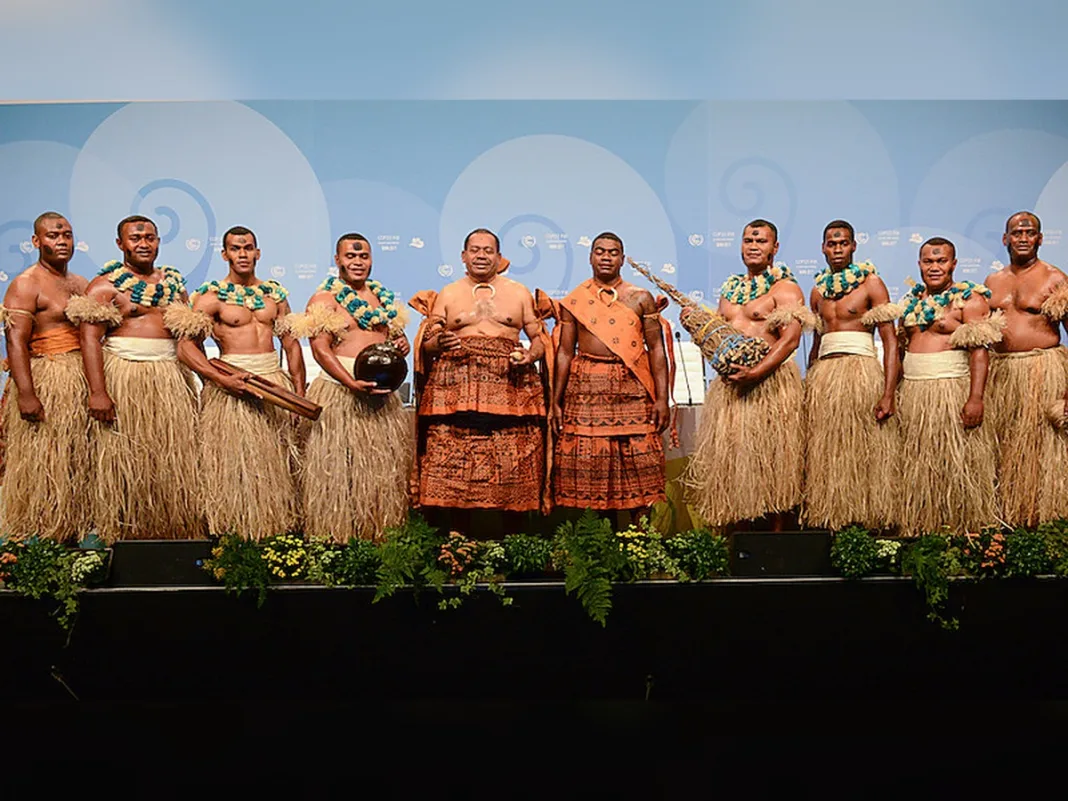
A Samoan heritage initiative designed for September to November 2025 placed skilled practitioners and younger learners at the centre of efforts to safeguard endangered cultural knowledge. UNESCO’s account of the Upu ma Tala – Heritage Talanoa Sessions described workshops, oral history exchanges and digital documentation organized with Tiapapata Art Centre in Apia. The programme focused on five practices: the Samoan nose flute, composite trolling lures, coconut sennit, outrigger canoe carving for the palolo rise, and tapa cloth-making. UNESCO identified these as heritage practices at risk of disappearing and presented the sessions as a way to document, transmit and revitalize their associated knowledge. The format brought together master practitioners, community members and youth. Each session was limited to 25 participants, with the stated aim of supporting close conversation and meaningful exchange. The programme also explicitly provided for participation by LGBTQ+ communities and people with disabilities. UNESCO’s account described a related workshop held at Tiapapata Art Centre on 12 August 2025. Local and international participants learned about making cloth from the bark of the paper mulberry tree, guided by master artisans using natural dyes and traditional techniques. That workshop offered a practical example of the hands-on learning central to the wider initiative. The sessions were framed within Samoa’s National Culture Framework, the Pacific Regional Culture Strategy and UNESCO’s 2003 Convention for the Safeguarding of the Intangible Cultural Heritage. UNESCO also noted that ‘Ie Samoa, the fine mat and its cultural value, was inscribed on its Representative List of the Intangible Cultural Heritage of Humanity in 2019. The published account sets out the programme’s design and intentions; it does not establish the results of every scheduled session. Its enduring theme is the role of direct exchange between generations: creating opportunities for people to learn techniques, hear their histories and practise the skills themselves.
A Samoan heritage initiative designed for September to November 2025 placed skilled practitioners and younger learners at the centre of efforts to safeguard endangered cultural knowledge. UNESCO’s account of the Upu ma Tala – Heritage Talanoa Sessions described workshops, oral history exchanges and digital documentation organized with Tiapapata Art Centre in Apia.
The programme focused on five practices: the Samoan nose flute, composite trolling lures, coconut sennit, outrigger canoe carving for the palolo rise, and tapa cloth-making. UNESCO identified these as heritage practices at risk of disappearing and presented the sessions as a way to document, transmit and revitalize their associated knowledge.
The format brought together master practitioners, community members and youth. Each session was limited to 25 participants, with the stated aim of supporting close conversation and meaningful exchange. The programme also explicitly provided for participation by LGBTQ+ communities and people with disabilities.
UNESCO’s account described a related workshop held at Tiapapata Art Centre on 12 August 2025. Local and international participants learned about making cloth from the bark of the paper mulberry tree, guided by master artisans using natural dyes and traditional techniques. That workshop offered a practical example of the hands-on learning central to the wider initiative.
The sessions were framed within Samoa’s National Culture Framework, the Pacific Regional Culture Strategy and UNESCO’s 2003 Convention for the Safeguarding of the Intangible Cultural Heritage. UNESCO also noted that ‘Ie Samoa, the fine mat and its cultural value, was inscribed on its Representative List of the Intangible Cultural Heritage of Humanity in 2019.
The published account sets out the programme’s design and intentions; it does not establish the results of every scheduled session. Its enduring theme is the role of direct exchange between generations: creating opportunities for people to learn techniques, hear their histories and practise the skills themselves.
News Desk is the editorial publishing account for Tringlobe Media News, covering breaking news, public affairs, entertainment, community developments and regional stories across Trinidad and Tobago, the Caribbean and internationally.