The key points are temporarily unavailable. You can still read the full Story below.
Main Points
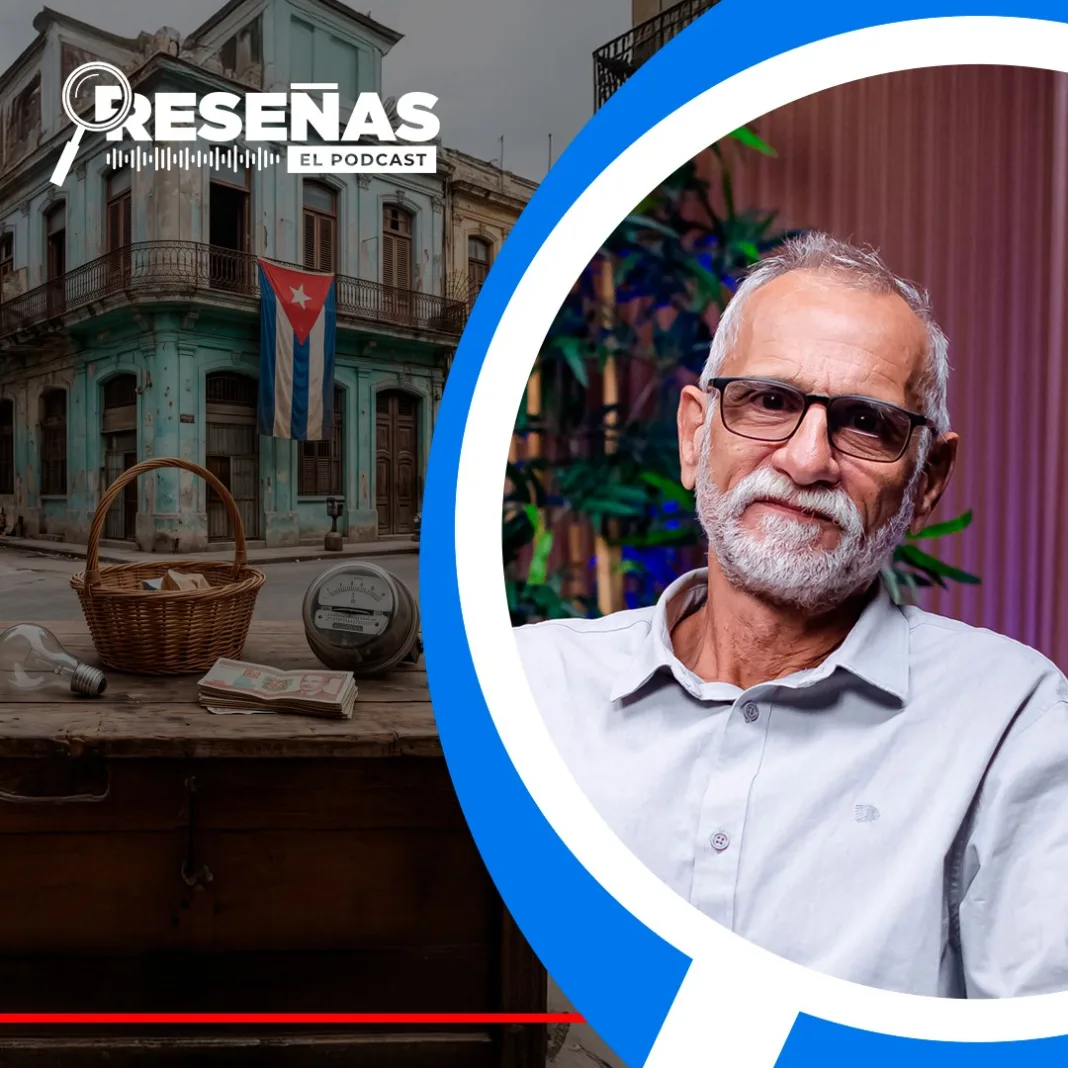
Cuban journalist Ariel Terrero spoke on the “Reseñas” podcast of El Nuevo Diario Podcast, hosted by Rafael Núñez, about the current state of U.S.–Cuban relations and the domestic situation in Cuba. Terrero said that the United States has positioned itself as a judge in the relationship with Cuba and urged that any dialogue between the two countries be conducted on equal footing. “They have assumed the role of arbitrators, of judges,” he said. He acknowledged that there are differing views in Washington about how to engage with Cuba, but noted that voices favoring closer ties have little influence on U.S. policy toward the island. The Cuban journalist summarized the Cuban government’s long‑standing stance: “We will discuss on equal terms, diplomatically, to find solutions to our common problems.” He also highlighted opportunities for cooperation with the Dominican Republic in tourism, culture and science, describing the two economies as “very similar and complementary.” Terrero described Cuba’s economic situation as “really dramatic,” citing frequent power outages and fuel shortages that have left the economy “semi‑paralyzed.” He blamed U.S. measures that have limited the supply of petroleum to the island. He noted that tourism has contracted and that several hotel chains have withdrawn from Cuba “under threat of sanctions in certain international banking and financial spaces.” Regarding the U.S. “176‑measure” economic program, Terrero explained that it seeks to create similar conditions for state, private and foreign enterprises to access banking services, set wages and invest. “We are moving toward an enterprise reform that aims to level the playing field for all actors,” he said. He added that private micro, small and medium enterprises have been operating in Cuba for years, expanding into sectors such as information technology, industry and food production. On the topic of artificial intelligence, Terrero said the technology has “arrived to bring to light even more clearly the old debts of Latin American journalism.” He cited the lack of innovation in communication methods and defended the importance of research, contextual analysis and on‑the‑ground reporting. Article source: El Nuevo Diario | Image credit: El Nuevo Diario
Cuban journalist Ariel Terrero spoke on the “Reseñas” podcast of El Nuevo Diario Podcast, hosted by Rafael Núñez, about the current state of U.S.–Cuban relations and the domestic situation in Cuba. Terrero said that the United States has positioned itself as a judge in the relationship with Cuba and urged that any dialogue between the two countries be conducted on equal footing. “They have assumed the role of arbitrators, of judges,” he said. He acknowledged that there are differing views in Washington about how to engage with Cuba, but noted that voices favoring closer ties have little influence on U.S. policy toward the island. The Cuban journalist summarized the Cuban government’s long‑standing stance: “We will discuss on equal terms, diplomatically, to find solutions to our common problems.” He also highlighted opportunities for cooperation with the Dominican Republic in tourism, culture and science, describing the two economies as “very similar and complementary.” Terrero described Cuba’s economic situation as “really dramatic,” citing frequent power outages and fuel shortages that have left the economy “semi‑paralyzed.” He blamed U.S. measures that have limited the supply of petroleum to the island. He noted that tourism has contracted and that several hotel chains have withdrawn from Cuba “under threat of sanctions in certain international banking and financial spaces.” Regarding the U.S. “176‑measure” economic program, Terrero explained that it seeks to create similar conditions for state, private and foreign enterprises to access banking services, set wages and invest. “We are moving toward an enterprise reform that aims to level the playing field for all actors,” he said. He added that private micro, small and medium enterprises have been operating in Cuba for years, expanding into sectors such as information technology, industry and food production. On the topic of artificial intelligence, Terrero said the technology has “arrived to bring to light even more clearly the old debts of Latin American journalism.” He cited the lack of innovation in communication methods and defended the importance of research, contextual analysis and on‑the‑ground reporting.
News Desk is the editorial publishing account for Tringlobe Media News, covering breaking news, public affairs, entertainment, community developments and regional stories across Trinidad and Tobago, the Caribbean and internationally.