The key points are temporarily unavailable. You can still read the full Story below.
Main Points
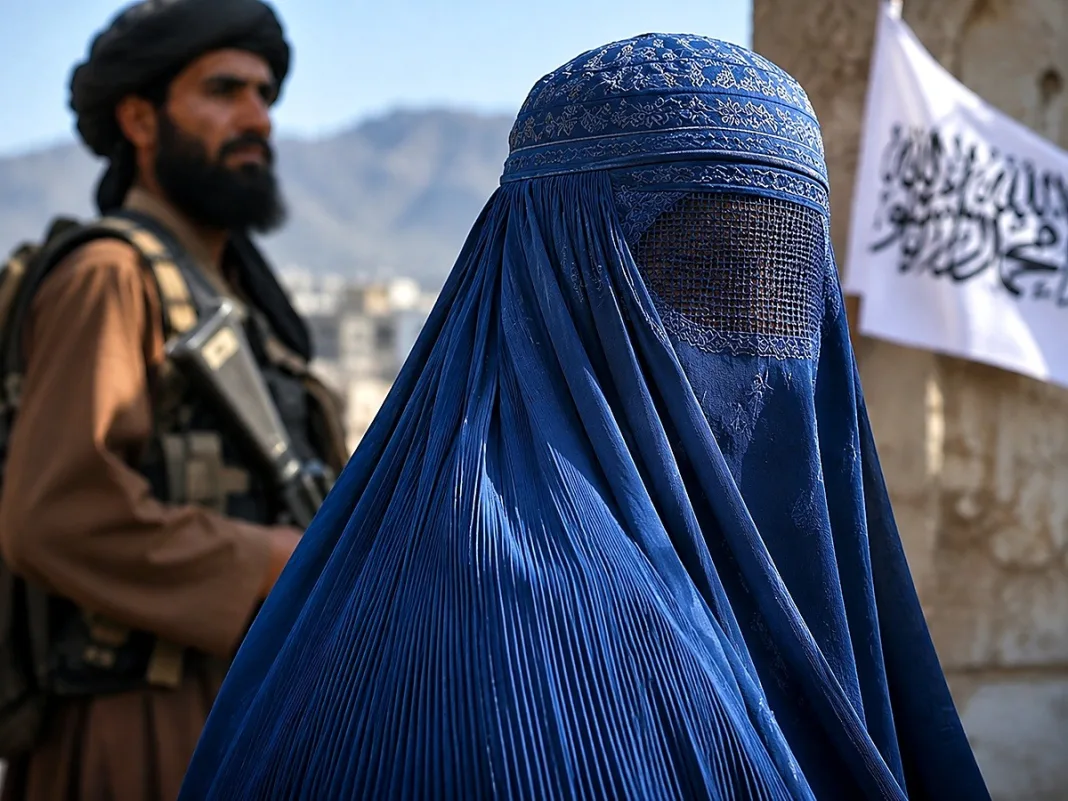
After years of restrictions on education, employment and public life, Afghan women are reportedly facing another troubling assault on their individual identity: the removal of their names from official records. In Afghanistan’s northern Balkh province, Taliban authorities have reportedly instructed healthcare workers and public officials to replace women’s personal names with “Bibi”, a traditional term meaning grandmother or elderly woman, even when issuing medical prescriptions. Afghan women’s rights activist Lalah Osmany has also cited testimonies indicating that some women have been referred to using degrading terms such as “cow” and “goat”, although their use as officially mandated replacements has not been established. Beyond the implications for human dignity, the practice could have dangerous consequences. Identical names on medical records could increase the risk of patient misidentification, incorrect medication and treatment errors. The development comes amid mounting restrictions on Afghan women since the Taliban returned to power in August 2021. According to UNICEF, more than 2.6 million Afghan girls have been denied secondary education. Restrictions on women’s medical training could also contribute to the loss of up to 5,400 female healthcare workers by 2030. While the reported naming directive has not been established as a nationwide policy, human rights advocates fear it could spread. For Afghan women, the struggle for fundamental freedoms now reportedly extends to something as personal as the right to be identified by their own names.
After years of restrictions on education, employment and public life, Afghan women are reportedly facing another troubling assault on their individual identity: the removal of their names from official records.
In Afghanistan’s northern Balkh province, Taliban authorities have reportedly instructed healthcare workers and public officials to replace women’s personal names with “Bibi”, a traditional term meaning grandmother or elderly woman, even when issuing medical prescriptions.
Afghan women’s rights activist Lalah Osmany has also cited testimonies indicating that some women have been referred to using degrading terms such as “cow” and “goat”, although their use as officially mandated replacements has not been established.
Beyond the implications for human dignity, the practice could have dangerous consequences. Identical names on medical records could increase the risk of patient misidentification, incorrect medication and treatment errors.
The development comes amid mounting restrictions on Afghan women since the Taliban returned to power in August 2021.
According to UNICEF, more than 2.6 million Afghan girls have been denied secondary education. Restrictions on women’s medical training could also contribute to the loss of up to 5,400 female healthcare workers by 2030.
While the reported naming directive has not been established as a nationwide policy, human rights advocates fear it could spread.
For Afghan women, the struggle for fundamental freedoms now reportedly extends to something as personal as the right to be identified by their own names.
News Desk is the editorial publishing account for Tringlobe Media News, covering breaking news, public affairs, entertainment, community developments and regional stories across Trinidad and Tobago, the Caribbean and internationally.