The key points are temporarily unavailable. You can still read the full Story below.
Main Points
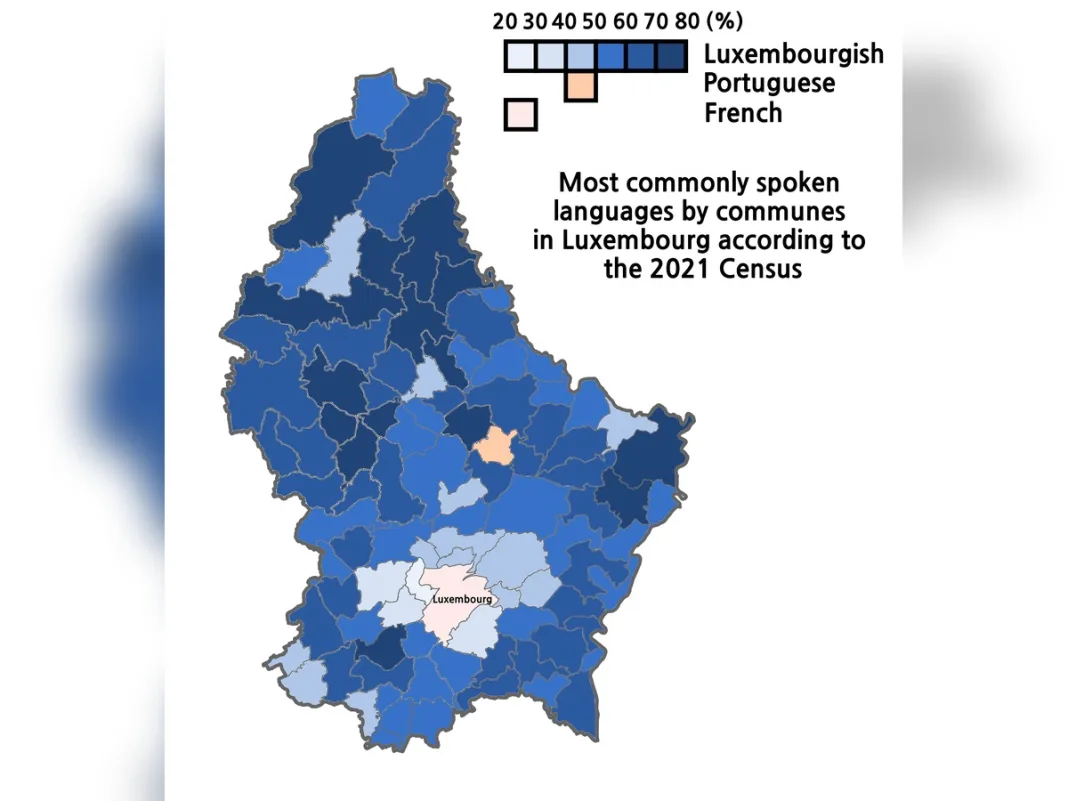
Luxembourgish, the native language of Luxembourg, has a literary history stretching back to the early 1800s—but its modern flourishing is a relatively recent phenomenon. For centuries, Luxembourgish was rarely written or used formally, despite being spoken by the majority of the population. The first recorded written evidence of the language appears in the biography of Countess Yolanda of Vianden around 1290, though some scholars argue the earliest documented Luxembourgish dates to an 1806 French survey of the language. By the 19th century, Luxembourgish remained largely an oral tradition, with its speakers not even identifying it as a distinct linguistic identity. That changed in 1848, when Luxembourgish was first used in an official setting: a meeting of the Estates, the precursor to Luxembourg’s parliament. The turning point came in 1896, when poet Caspar Mathias Spoo delivered his inaugural parliamentary speech in Luxembourgish—a bold move that signalled the language’s growing political and cultural relevance. The 20th century marked Luxembourgish’s true literary renaissance. In 1912, the language was introduced into primary schools, and by the mid-20th century, Luxembourgish literature—whether poetry, drama, or fiction—began to thrive as never before. The Embassy of Luxembourg celebrated this development in 1999 by donating a comprehensive collection of Luxembourgish books to the Library of Congress, highlighting its evolution from a dialect to a recognised literary language. Today, Luxembourgish belongs to the West-Germanic branch of Indo-European languages, classified as a West Middle German dialect called Moselle Franconian, shaped by the linguistic fusion of Frankish tribes and Roman settlers in northern Gaul. The language’s journey reflects broader national identity struggles. After World War II, Luxembourgish became a symbol of resilience, with literature extensively addressing the war’s traumatic events. Figures like Nico Helminger, whose 1992 work The Trauma of War explored these themes, cemented Luxembourgish as a medium for national reflection. Meanwhile, Luxembourg’s role in European integration—from the 1921 Belgian-Luxembourg economic union to hosting EU institutions—has further elevated its cultural and political significance. Robert Schuman, one of the EU’s founding fathers, was born in Luxembourg and spoke Luxembourgish, reinforcing its ties to the continent’s shared future. Yet Luxembourgish’s story is far from over. While it is now an official language alongside French and German, its literary and cultural legacy continues to grow, proving that even the most overlooked languages can leave an indelible mark on history.
Luxembourgish, the native language of Luxembourg, has a literary history stretching back to the early 1800s—but its modern flourishing is a relatively recent phenomenon. For centuries, Luxembourgish was rarely written or used formally, despite being spoken by the majority of the population. The first recorded written evidence of the language appears in the biography of Countess Yolanda of Vianden around 1290, though some scholars argue the earliest documented Luxembourgish dates to an 1806 French survey of the language.
By the 19th century, Luxembourgish remained largely an oral tradition, with its speakers not even identifying it as a distinct linguistic identity. That changed in 1848, when Luxembourgish was first used in an official setting: a meeting of the Estates, the precursor to Luxembourg’s parliament. The turning point came in 1896, when poet Caspar Mathias Spoo delivered his inaugural parliamentary speech in Luxembourgish—a bold move that signalled the language’s growing political and cultural relevance.
The 20th century marked Luxembourgish’s true literary renaissance. In 1912, the language was introduced into primary schools, and by the mid-20th century, Luxembourgish literature—whether poetry, drama, or fiction—began to thrive as never before. The Embassy of Luxembourg celebrated this development in 1999 by donating a comprehensive collection of Luxembourgish books to the Library of Congress, highlighting its evolution from a dialect to a recognised literary language. Today, Luxembourgish belongs to the West-Germanic branch of Indo-European languages, classified as a West Middle German dialect called Moselle Franconian, shaped by the linguistic fusion of Frankish tribes and Roman settlers in northern Gaul.
The language’s journey reflects broader national identity struggles. After World War II, Luxembourgish became a symbol of resilience, with literature extensively addressing the war’s traumatic events. Figures like Nico Helminger, whose 1992 work The Trauma of War explored these themes, cemented Luxembourgish as a medium for national reflection. Meanwhile, Luxembourg’s role in European integration—from the 1921 Belgian-Luxembourg economic union to hosting EU institutions—has further elevated its cultural and political significance. Robert Schuman, one of the EU’s founding fathers, was born in Luxembourg and spoke Luxembourgish, reinforcing its ties to the continent’s shared future.
Yet Luxembourgish’s story is far from over. While it is now an official language alongside French and German, its literary and cultural legacy continues to grow, proving that even the most overlooked languages can leave an indelible mark on history.
News Desk is the editorial publishing account for Tringlobe Media News, covering breaking news, public affairs, entertainment, community developments and regional stories across Trinidad and Tobago, the Caribbean and internationally.