The key points are temporarily unavailable. You can still read the full Story below.
Main Points
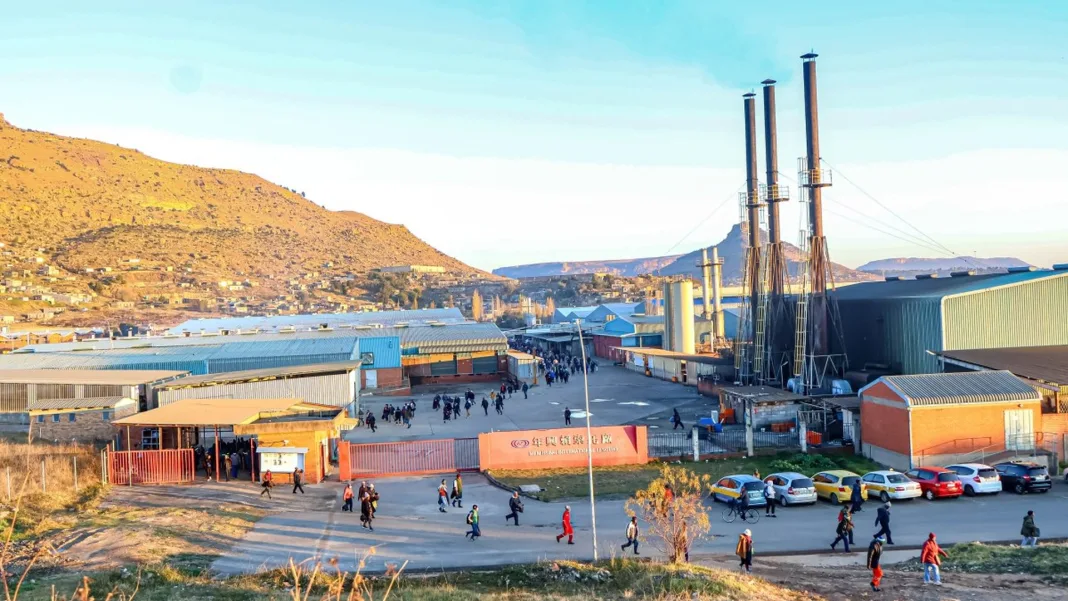
Lesotho’s garment industry once stood as a shining example of how trade and discipline could transform a small, landlocked economy. At its peak, the sector employed 54,000 workers and accounted for 60% of exports. But today, that progress is unraveling.
According to the Lesotho National Development Corporation (LNDC), employment in assisted manufacturing companies fell from 51,325 in 2020 to 34,151 in 2024. Factory closures, weaker global demand, and the lingering effects of the COVID-19 pandemic have erased more than 17,000 jobs.
The African Growth and Opportunity Act (AGOA) was the catalyst for Lesotho’s textile boom. Duty-free access to the US market attracted investors, and a weekly ‘war room’ meeting of government and industry leaders solved problems quickly. Former Trade Minister Mpho Malie recalls the discipline: ‘Once the meeting started, nobody was allowed in.’
But the gains were fragile. The pandemic disrupted supply chains, and US President Donald Trump’s tariffs—first a 50% rate, then 15%—added to the uncertainty. The Central Bank of Lesotho reports that exports to the US fell by 9.9% in 2025, and economic growth slowed to 1.3%.
Workers like Selloane Shemane, who lost her job after 17 years, now queue outside factory gates hoping for day work. ‘This industry put bread on my table,’ she says. ‘Now we come here to queue and hope.’
LNDC’s Tiisetso Moremoholo says the challenge now is not just attracting factories but building domestic value chains. ‘Our ambition comes against a difficult backdrop,’ she notes. Malie adds a broader lesson: ‘A trade agreement opens the door. What matters is what you do after you walk through it.’
Article and image source: allafrica.com