The key points are temporarily unavailable. You can still read the full Story below.
Main Points
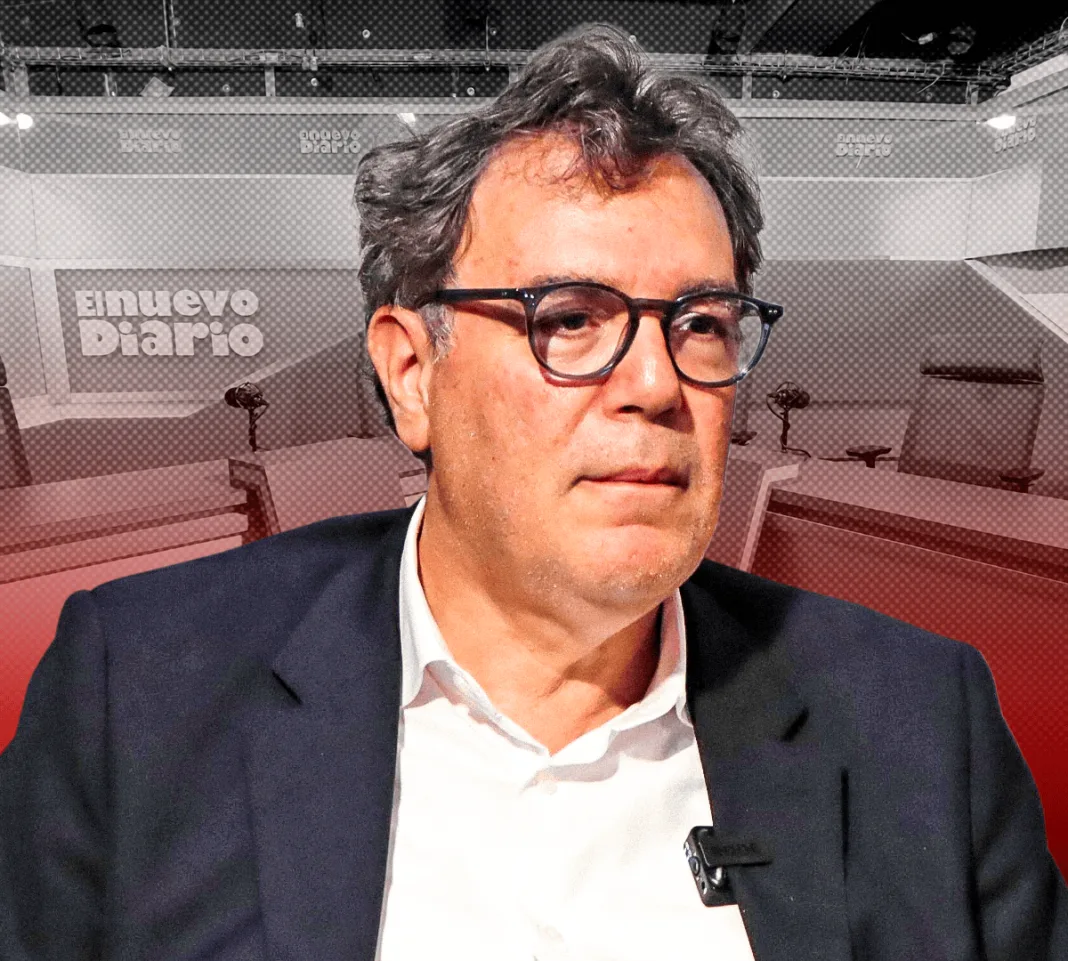
Dr. Jottyn Cury, a professor of law, cautioned that the Constitutional Court of the Dominican Republic must exercise greater care when issuing rulings and prioritize quality over quantity. In an interview on the program “Aquí Hablamos Claro,” broadcast by the digital platform El Nuevo Diario TV, Cury explained that the court’s role as the final arbiter in constitutional matters requires meticulous deliberation. “Because the Constitutional Court is the closing organ, it must be very careful when issuing judgments,” Cury said. “One of the aspects that is most criticized is that it is now hearing many cases and is being seduced by high statistics; that is, to decide many cases in a year.” He warned that the pressure to resolve a larger number of files can lead the court to take on more matters than it can analyze thoroughly, thereby compromising the quality of its decisions. “Sometimes this leads to mistakes because the court knows more cases than it can properly handle, which lowers the quality of the rulings,” he added. Cury urged the court to avoid using the number of decisions as its primary performance indicator and to focus on well‑funded judgments. “The court should not be driven by the desire to issue many rulings in a year, because high statistics can reduce the quality of the decisions,” he said. He also suggested that the court make better use of the Unit of Admissibility, a mechanism created to examine certain files. “There are cases that do not even need to go to full court; they can be decided by the Unit of Admissibility to reject a series of cases that have already been judged many times, allowing the full court to concentrate on matters that still lack a defined criterion,” Cury explained. Cury noted that the Constitutional Court’s position as the last national authority on constitutional matters carries significant implications. He recalled that, following ruling 256‑14, the court withdrew from the contentious jurisdiction of the Inter-American Court of Human Rights, stating that the instrument of acceptance had not been sanctioned by the legislative chambers. “The closing organ in any matter is the Constitutional Court; after the court there is nothing. One would simply have to go to the Inter‑American Court of Human Rights, but we are not part of that court either,” he said. Article source: El Nuevo Diario | Image credit: El Nuevo Diario
Dr. Jottyn Cury, a professor of law, cautioned that the Constitutional Court of the Dominican Republic must exercise greater care when issuing rulings and prioritize quality over quantity. In an interview on the program “Aquí Hablamos Claro,” broadcast by the digital platform El Nuevo Diario TV, Cury explained that the court’s role as the final arbiter in constitutional matters requires meticulous deliberation. “Because the Constitutional Court is the closing organ, it must be very careful when issuing judgments,” Cury said. “One of the aspects that is most criticized is that it is now hearing many cases and is being seduced by high statistics; that is, to decide many cases in a year.” He warned that the pressure to resolve a larger number of files can lead the court to take on more matters than it can analyze thoroughly, thereby compromising the quality of its decisions. “Sometimes this leads to mistakes because the court knows more cases than it can properly handle, which lowers the quality of the rulings,” he added. Cury urged the court to avoid using the number of decisions as its primary performance indicator and to focus on well‑funded judgments. “The court should not be driven by the desire to issue many rulings in a year, because high statistics can reduce the quality of the decisions,” he said. He also suggested that the court make better use of the Unit of Admissibility, a mechanism created to examine certain files. “There are cases that do not even need to go to full court; they can be decided by the Unit of Admissibility to reject a series of cases that have already been judged many times, allowing the full court to concentrate on matters that still lack a defined criterion,” Cury explained. Cury noted that the Constitutional Court’s position as the last national authority on constitutional matters carries significant implications. He recalled that, following ruling 256‑14, the court withdrew from the contentious jurisdiction of the Inter-American Court of Human Rights, stating that the instrument of acceptance had not been sanctioned by the legislative chambers. “The closing organ in any matter is the Constitutional Court; after the court there is nothing. One would simply have to go to the Inter‑American Court of Human Rights, but we are not part of that court either,” he said.
News Desk is the editorial publishing account for Tringlobe Media News, covering breaking news, public affairs, entertainment, community developments and regional stories across Trinidad and Tobago, the Caribbean and internationally.