The key points are temporarily unavailable. You can still read the full Story below.
Main Points
Ukrainian forces have successfully shifted from a defensive posture to a localized offensive in eastern Ukraine, utilizing a combination of drone warfare, decentralized command structures, and increased use of remote-controlled ground vehicles. The operation, codenamed Vivaldi, was designed to thwart Russian efforts to encircle cities in the Donetsk province and resulted in the recapture of significant territory. Brig. Gen. Andriy Biletsky, who assumed command of the 3rd Army Corps in the summer of 2025, oversaw the operation. According to Biletsky, the strategy involved coordinating six brigades to act in unison, allowing for more effective disruption of Russian command lines. By delegating decision-making to commanders on the ground, the Ukrainian military was able to address gaps in their defensive lines that had previously allowed Russian forces to infiltrate their positions. The 66th Mechanized Brigade played a central role in the operation. Battalion commanders reported that the brigade initially struggled with personnel shortages and aging equipment. However, by seizing high-ground positions and neutralizing Russian communications and supply lines, the brigade gained a tactical advantage. Commanders noted that once Russian forces were "blinded" by the loss of aerial reconnaissance and supply drones, Ukrainian troops were able to infiltrate and reclaim villages that had been under Russian control. The shift in tactics reflects a broader evolution in the conflict, where the widespread use of drones and ground robots has turned the front line into a high-risk zone for armored vehicles, forcing soldiers to move primarily on foot. Ukrainian forces are increasingly relying on remote-controlled vehicles to transport supplies, ammunition, and personnel, which has helped mitigate the impact of being outnumbered by Russian infantry. According to the Institute for the Study of War, Ukraine gained more territory than Russia in both September and October. During this period, Russian forces reportedly suffered their highest monthly casualty toll of the war, with over 54,000 soldiers killed or seriously wounded. Military analysts have confirmed Ukrainian gains north of the city of Lyman and along the Zaporizhzhia front line. While the operation has successfully pushed back Russian forces in specific sectors, commanders emphasize that the conflict remains intense. Despite the recent successes, Ukrainian units continue to monitor for remaining Russian activity, with commanders noting that the enemy remains a persistent threat even as they struggle to establish new defensive lines. Article source: San Juan Daily Star | Image credit: San Juan Daily Star
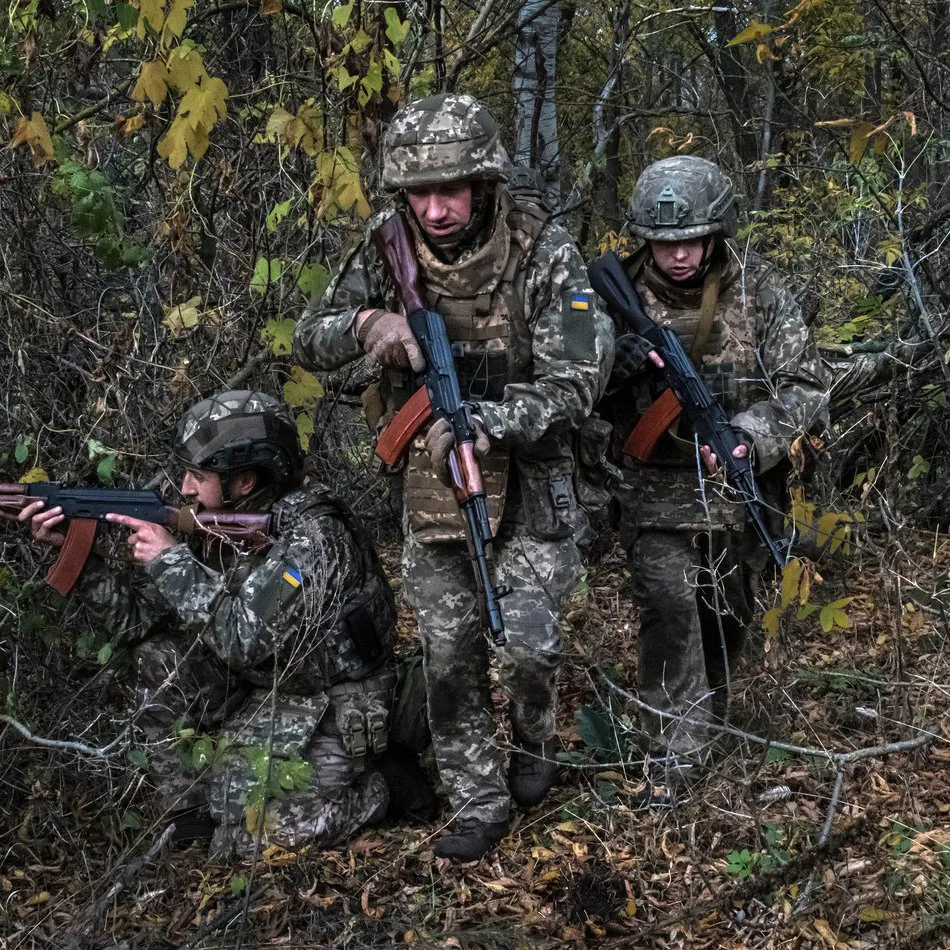
Ukrainian forces have successfully shifted from a defensive posture to a localized offensive in eastern Ukraine, utilizing a combination of drone warfare, decentralized command structures, and increased use of remote-controlled ground vehicles. The operation, codenamed Vivaldi, was designed to thwart Russian efforts to encircle cities in the Donetsk province and resulted in the recapture of significant territory. Brig. Gen. Andriy Biletsky, who assumed command of the 3rd Army Corps in the summer of 2025, oversaw the operation. According to Biletsky, the strategy involved coordinating six brigades to act in unison, allowing for more effective disruption of Russian command lines. By delegating decision-making to commanders on the ground, the Ukrainian military was able to address gaps in their defensive lines that had previously allowed Russian forces to infiltrate their positions. The 66th Mechanized Brigade played a central role in the operation. Battalion commanders reported that the brigade initially struggled with personnel shortages and aging equipment. However, by seizing high-ground positions and neutralizing Russian communications and supply lines, the brigade gained a tactical advantage. Commanders noted that once Russian forces were “blinded” by the loss of aerial reconnaissance and supply drones, Ukrainian troops were able to infiltrate and reclaim villages that had been under Russian control. The shift in tactics reflects a broader evolution in the conflict, where the widespread use of drones and ground robots has turned the front line into a high-risk zone for armored vehicles, forcing soldiers to move primarily on foot. Ukrainian forces are increasingly relying on remote-controlled vehicles to transport supplies, ammunition, and personnel, which has helped mitigate the impact of being outnumbered by Russian infantry. According to the Institute for the Study of War, Ukraine gained more territory than Russia in both September and October. During this period, Russian forces reportedly suffered their highest monthly casualty toll of the war, with over 54,000 soldiers killed or seriously wounded. Military analysts have confirmed Ukrainian gains north of the city of Lyman and along the Zaporizhzhia front line. While the operation has successfully pushed back Russian forces in specific sectors, commanders emphasize that the conflict remains intense. Despite the recent successes, Ukrainian units continue to monitor for remaining Russian activity, with commanders noting that the enemy remains a persistent threat even as they struggle to establish new defensive lines.
News Desk is the editorial publishing account for Tringlobe Media News, covering breaking news, public affairs, entertainment, community developments and regional stories across Trinidad and Tobago, the Caribbean and internationally.