The key points are temporarily unavailable. You can still read the full Story below.
Main Points
Latoya Brooks survived six years of domestic abuse. She says she made more than 20 police reports, sought refuge through her church and pleaded with family for help. Her story raises a disturbing question: How many times must a woman cry for help before somebody saves her? 𝗜 𝗛𝗘𝗔𝗥𝗗 𝗔 𝗩𝗢𝗜𝗖𝗘 𝗧𝗘𝗟𝗟𝗜𝗡𝗚 𝗠𝗘 𝗧𝗢 𝗗𝗥𝗢𝗣 𝗔𝗡𝗗 𝗥𝗢𝗟𝗟. That is what Latoya Brooks remembers from the day in 2018 when, eight months pregnant, she says her husband poured methylated spirits over her and set her on fire. Her two young sons were sitting nearby. The argument was over money. Brooks wanted to buy clothes and hospital necessities for their unborn baby. Her husband wanted to send money to his mother in Guyana. She asked him to wait. According to Brooks, he became angry, grabbed a bottle of methylated spirits, poured it over her and used a lighter to ignite it. She dropped to the ground and rolled, desperately trying to extinguish the flames. Her dress absorbed much of the burning liquid, but she suffered burns to her right ear, shoulder and hand. 𝗦𝗵𝗲 𝘀𝘂𝗿𝘃𝗶𝘃𝗲𝗱. 𝗦𝗼 𝗱𝗶𝗱 𝗵𝗲𝗿 𝘂𝗻𝗯𝗼𝗿𝗻 𝗯𝗮𝗯𝘆. But the fire was not where her suffering began. 𝗧𝗛𝗘 𝗚𝗜𝗥𝗟 𝗕𝗘𝗙𝗢𝗥𝗘 𝗧𝗛𝗘 𝗦𝗖𝗔𝗥𝗦 Long before she became a survivor, Brooks was a little girl from Roxborough, Tobago, dreaming of opening her own beauty salon. Every Sunday, boys from her street would visit her home to have their hair combed. She had ambition, creativity and dreams of independence. But behind those dreams was childhood trauma. Brooks says she was raped by a relative and reported the incident to the police. When information about the report reached her mother, she recalls being told that family business should remain within the family. At 22, she left Tobago for Trinidad, carrying emotional wounds and searching for love. On January 11, 2012, she met the man from Guyana who would become her husband. At first, she remembers him as loving, kind and supportive. 𝗧𝗵𝗲 𝗮𝗯𝘂𝘀𝗲 𝗯𝗲𝗴𝗮𝗻 𝗮𝗳𝘁𝗲𝗿 𝘁𝗵𝗲𝘆 𝘀𝘁𝗮𝗿𝘁𝗲𝗱 𝗹𝗶𝘃𝗶𝗻𝗴 𝘁𝗼𝗴𝗲𝘁𝗵𝗲𝗿 𝗮𝗻𝗱 𝘀𝗵𝗲 𝗯𝗲𝗰𝗮𝗺𝗲 𝗽𝗿𝗲𝗴𝗻𝗮𝗻𝘁. For six years, Brooks says, she endured physical violence, sexual abuse, humiliation and financial hardship. She describes a husband who gambled away his wages and returned home angry when he lost. He would beat her, she alleges, and then force her to have sex despite her refusal. She recalls being spat upon and told she was nobody because her own family did not love her. There were times she had to borrow money from neighbours just to feed her children. 𝗧𝗵𝗲 𝗺𝗮𝗻 𝘄𝗵𝗼 𝗶𝗻𝗶𝘁𝗶𝗮𝗹𝗹𝘆 𝗼𝗳𝗳𝗲𝗿𝗲𝗱 𝗵𝗲𝗿 𝗹𝗼𝘃𝗲 𝗵𝗮𝗱 𝗯𝗲𝗰𝗼𝗺𝗲 𝘁𝗵𝗲 𝗽𝗲𝗿𝘀𝗼𝗻 𝘀𝗵𝗲 𝗳𝗲𝗮𝗿𝗲𝗱 𝗺𝗼𝘀𝘁. 𝗠𝗢𝗥𝗘 𝗧𝗛𝗔𝗡 𝟮𝟬 𝗣𝗢𝗟𝗜𝗖𝗘 𝗥𝗘𝗣𝗢𝗥𝗧𝗦. 𝗔𝗡𝗗 𝗔 𝗖𝗔𝗟𝗟 𝗧𝗢 𝗣𝗥𝗔𝗬. Brooks says she made more than 20 reports to the police, yet the abuse continued. Officers would sometimes visit, speak to her husband and leave, she alleges. On one occasion, she says an officer asked whether she attended church. When she answered yes, he advised her to pray more. That was the response she remembers receiving while living in fear. She also sought a protection order but says she was unsuccessful. And when she tried leaving, other doors appeared to close. Brooks recalls escaping to stay with a church member in south Trinidad. Her husband subsequently visited the church looking for her, and she alleges that the pastor contacted the woman sheltering her and instructed her to bring Brooks back. When she appealed to her mother for somewhere to return, she says she was reminded that marriage was something she had to endure. 𝗧𝗵𝗲 𝗽𝗼𝗹𝗶𝗰𝗲 𝗼𝗳𝗳𝗲𝗿𝗲𝗱 𝗽𝗿𝗮𝘆𝗲𝗿. 𝗧𝗵𝗲 𝗰𝗵𝘂𝗿𝗰𝗵 𝗲𝗻𝗰𝗼𝘂𝗿𝗮𝗴𝗲𝗱 𝗵𝗲𝗿 𝗿𝗲𝘁𝘂𝗿𝗻. 𝗛𝗲𝗿 𝗳𝗮𝗺𝗶𝗹𝘆 𝘂𝗿𝗴𝗲𝗱 𝗲𝗻𝗱𝘂𝗿𝗮𝗻𝗰𝗲. And the violence continued. Her account raises questions about what happens when institutions and families treat domestic abuse as a marital disagreement rather than a threat to life. 𝗧𝗛𝗘 𝗙𝗜𝗥𝗘 𝗪𝗔𝗦 𝗡𝗢𝗧 𝗧𝗛𝗘 𝗢𝗡𝗟𝗬 𝗪𝗔𝗥𝗡𝗜𝗡𝗚 Brooks recounts another incident during pregnancy when her husband allegedly beat her and kicked her in the stomach after she refused his demand to end the pregnancy. She escaped to a neighbour’s home. That neighbour was a police officer who took her to the station and helped her obtain medical attention. It was an example of the intervention she had been seeking. Following the burning incident, Brooks says her landlord transported her to hospital. But her husband also arrived, offering a different account of what had happened. She says she was too frightened to speak openly about the attack while he was present. She worried about her children growing up without their father. Eventually, Brooks approached Immigration with her husband’s passport and provided a sworn statement withdrawing her support for their marriage. She says officials acted approximately two months later and that she was eventually able to pursue a divorce after he left the country. 𝗦𝗵𝗲 𝗵𝗮𝗱 𝘀𝘂𝗿𝘃𝗶𝘃𝗲𝗱 𝘁𝗵𝗲 𝗳𝗹𝗮𝗺𝗲𝘀. 𝗡𝗼𝘄 𝘀𝗵𝗲 𝗻𝗲𝗲𝗱𝗲𝗱 𝘁𝗼 𝗿𝗲𝗯𝘂𝗶𝗹𝗱 𝗵𝗲𝗿 𝗹𝗶𝗳𝗲. 𝗙𝗥𝗢𝗠 𝗦𝗨𝗥𝗩𝗜𝗩𝗜𝗡𝗚 𝗧𝗢 𝗥𝗘𝗕𝗨𝗜𝗟𝗗𝗜𝗡𝗚 Today, Brooks describes a life that once seemed impossible. She has secured a three-bedroom HDC apartment, completed training in Gel-X and polygel nails, and found a partner whom she says loves and respects her and her children. Most importantly, she has rediscovered her confidence. Her childhood dream of opening a beauty salon remains alive. She is grateful to have watched her children grow up and to have another opportunity to pursue that dream. But the memories remain. And when she hears reports of other women being set on fire, she knows the consequences can be fatal. “It hurts to see women are not taken seriously,” she says. She warns that abusive partners do not always reveal themselves immediately. Affection and apologies can be followed by repeated violence. Her message to women is to recognise the warning signs, value themselves and seek safety. Yet Brooks’s own experience demonstrates why leaving cannot simply be reduced to the words just walk away. She tried. She went to the police. She sought refuge. She appealed to family. She turned to her church. 𝗚𝗲𝘁𝘁𝗶𝗻𝗴 𝗼𝘂𝘁 𝘄𝗮𝘀 𝗻𝗼𝘁 𝘀𝗶𝗺𝗽𝗹𝘆 𝗮 𝗾𝘂𝗲𝘀𝘁𝗶𝗼𝗻 𝗼𝗳 𝗰𝗼𝘂𝗿𝗮𝗴𝗲. 𝗜𝘁 𝘄𝗮𝘀 𝗮𝗹𝘀𝗼 𝗮 𝗾𝘂𝗲𝘀𝘁𝗶𝗼𝗻 𝗼𝗳 𝘄𝗵𝗲𝘁𝗵𝗲𝗿 𝗮𝗻𝘆𝗼𝗻𝗲 𝘄𝗼𝘂𝗹𝗱 𝗵𝗲𝗹𝗽 𝗵𝗲𝗿 𝘀𝘁𝗮𝘆 𝘀𝗮𝗳𝗲. 𝗪𝗛𝗔𝗧 𝗠𝗨𝗦𝗧 𝗖𝗛𝗔𝗡𝗚𝗘 𝗕𝗘𝗙𝗢𝗥𝗘 𝗧𝗛𝗘 𝗡𝗘𝗫𝗧 𝗪𝗢𝗠𝗔𝗡 𝗗𝗜𝗘𝗦? Brooks’s testimony demands more than sympathy. 𝗣𝗼𝗹𝗶𝗰𝗲 𝗺𝘂𝘀𝘁 𝗮𝗰𝘁 𝗯𝗲𝗳𝗼𝗿𝗲 𝘃𝗶𝗼𝗹𝗲𝗻𝗰𝗲 𝗲𝘀𝗰𝗮𝗹𝗮𝘁𝗲𝘀. Repeated reports should trigger serious investigation, danger assessments, protective measures and follow-up—not advice to pray harder. 𝗖𝗵𝘂𝗿𝗰𝗵𝗲𝘀 𝗺𝘂𝘀𝘁 𝗽𝘂𝘁 𝘀𝗮𝗳𝗲𝘁𝘆 𝗯𝗲𝗳𝗼𝗿𝗲 𝗿𝗲𝗰𝗼𝗻𝗰𝗶𝗹𝗶𝗮𝘁𝗶𝗼𝗻. Prayer can offer comfort, but it cannot replace protection. Religious leaders should help victims find safe accommodation and professional support, not pressure them to return to danger. 𝗙𝗮𝗺𝗶𝗹𝗶𝗲𝘀 𝗺𝘂𝘀𝘁 𝘀𝘁𝗼𝗽 𝗽𝗿𝗼𝘁𝗲𝗰𝘁𝗶𝗻𝗴 𝗮𝗽𝗽𝗲𝗮𝗿𝗮𝗻𝗰𝗲𝘀 𝗮𝘁 𝘁𝗵𝗲 𝗲𝘅𝗽𝗲𝗻𝘀𝗲 𝗼𝗳 𝗹𝗶𝘃𝗲𝘀. A daughter seeking refuge needs to be believed, supported and protected—not reminded to endure her marriage. 𝗛𝗼𝘀𝗽𝗶𝘁𝗮𝗹𝘀 𝗺𝘂𝘀𝘁 𝗽𝗿𝗼𝘃𝗶𝗱𝗲 𝗼𝗽𝗽𝗼𝗿𝘁𝘂𝗻𝗶𝘁𝗶𝗲𝘀 𝗳𝗼𝗿 𝘃𝗶𝗰𝘁𝗶𝗺𝘀 𝘁𝗼 𝘀𝗽𝗲𝗮𝗸 𝗽𝗿𝗶𝘃𝗮𝘁𝗲𝗹𝘆. When an injured woman arrives with a partner who may be responsible for her injuries, confidential screening, documentation and safe referrals can make a crucial difference. And policymakers must ensure that protection orders, emergency accommodation, legal assistance and ongoing support are accessible before a crisis becomes a tragedy. Under Trinidad and Tobago’s domestic violence legislation, married and cohabiting partners can seek protection orders. Living with an abuser does not, by itself, disqualify someone from seeking legal protection. Brooks’s story illustrates the gap that can exist between rights on paper and protection in practice. 𝗛𝗘𝗥 𝗙𝗜𝗡𝗔𝗟 𝗠𝗘𝗦𝗦𝗔𝗚𝗘 Latoya Brooks does not want to be remembered only as the woman whose husband allegedly set her on fire. She is a mother, a survivor and an aspiring businesswoman who still believes her future can be better than her past. “I am thankful to be alive to tell my story and to see my kids grow up,” she says. But not every woman gets that opportunity. 𝗧𝗵𝗲 𝗾𝘂𝗲𝘀𝘁𝗶𝗼𝗻 𝗶𝘀 𝗻𝗼 𝗹𝗼𝗻𝗴𝗲𝗿 𝘄𝗵𝗲𝘁𝗵𝗲𝗿 𝘄𝗼𝗺𝗲𝗻 𝗮𝗿𝗲 𝗰𝗿𝘆𝗶𝗻𝗴 𝗼𝘂𝘁 𝗳𝗼𝗿 𝗵𝗲𝗹𝗽. 𝗧𝗵𝗲 𝗾𝘂𝗲𝘀𝘁𝗶𝗼𝗻 𝗶𝘀 𝘄𝗵𝗲𝘁𝗵𝗲𝗿 𝘁𝗵𝗲 𝗽𝗼𝗹𝗶𝗰𝗲, 𝘁𝗵𝗲 𝗰𝗵𝘂𝗿𝗰𝗵, 𝗼𝘂𝗿 𝗳𝗮𝗺𝗶𝗹𝗶𝗲𝘀 𝗮𝗻𝗱 𝗼𝘂𝗿 𝗶𝗻𝘀𝘁𝗶𝘁𝘂𝘁𝗶𝗼𝗻𝘀 𝗮𝗿𝗲 𝗽𝗿𝗲𝗽𝗮𝗿𝗲𝗱 𝘁𝗼 𝗹𝗶𝘀𝘁𝗲𝗻—𝗮𝗻𝗱 𝗮𝗰𝘁. 𝗔 𝗪𝗢𝗠𝗔𝗡 𝗦𝗛𝗢𝗨𝗟𝗗 𝗡𝗢𝗧 𝗛𝗔𝗩𝗘 𝗧𝗢 𝗦𝗨𝗥𝗩𝗜𝗩𝗘 𝗕𝗘𝗜𝗡𝗚 𝗦𝗘𝗧 𝗢𝗡 𝗙𝗜𝗥𝗘 𝗕𝗘𝗙𝗢𝗥𝗘 𝗪𝗘 𝗧𝗔𝗞𝗘 𝗛𝗘𝗥 𝗦𝗘𝗥𝗜𝗢𝗨𝗦𝗟𝗬.
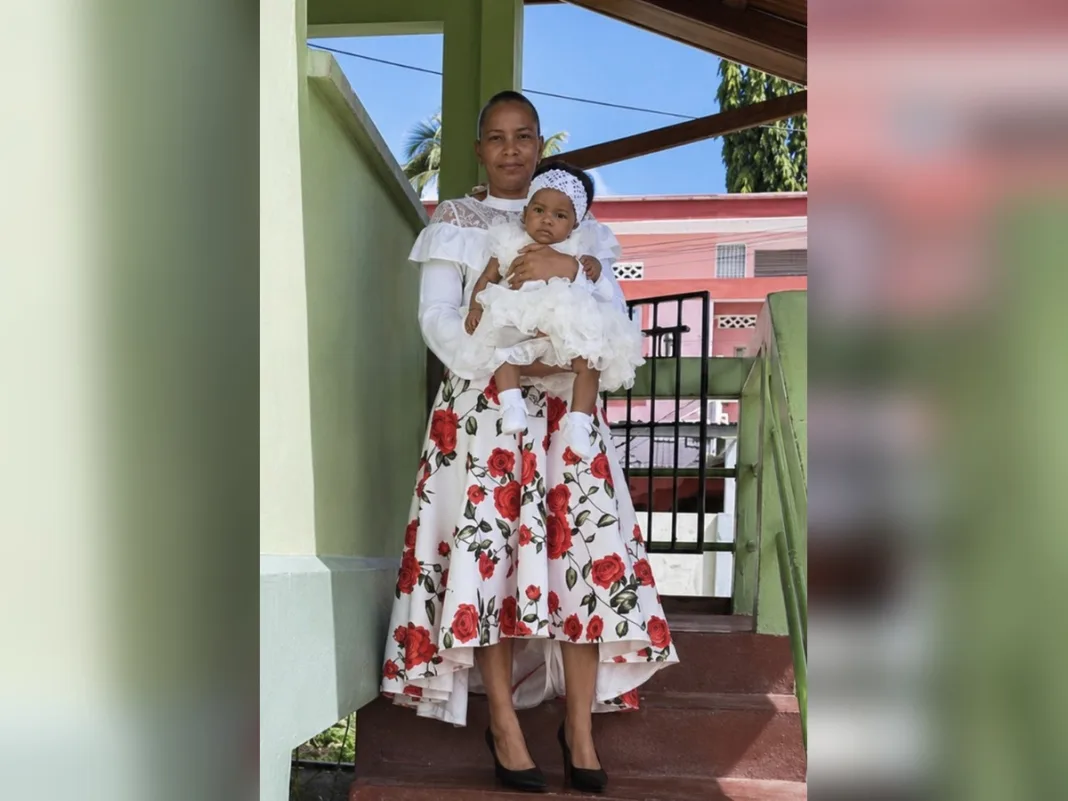
Latoya Brooks survived six years of domestic abuse. She says she made more than 20 police reports, sought refuge through her church and pleaded with family for help. Her story raises a disturbing question: How many times must a woman cry for help before somebody saves her?
𝗜 𝗛𝗘𝗔𝗥𝗗 𝗔 𝗩𝗢𝗜𝗖𝗘 𝗧𝗘𝗟𝗟𝗜𝗡𝗚 𝗠𝗘 𝗧𝗢 𝗗𝗥𝗢𝗣 𝗔𝗡𝗗 𝗥𝗢𝗟𝗟.
That is what Latoya Brooks remembers from the day in 2018 when, eight months pregnant, she says her husband poured methylated spirits over her and set her on fire.
Her two young sons were sitting nearby.
The argument was over money. Brooks wanted to buy clothes and hospital necessities for their unborn baby. Her husband wanted to send money to his mother in Guyana.
She asked him to wait.
According to Brooks, he became angry, grabbed a bottle of methylated spirits, poured it over her and used a lighter to ignite it.
She dropped to the ground and rolled, desperately trying to extinguish the flames.
Her dress absorbed much of the burning liquid, but she suffered burns to her right ear, shoulder and hand.
𝗦𝗵𝗲 𝘀𝘂𝗿𝘃𝗶𝘃𝗲𝗱. 𝗦𝗼 𝗱𝗶𝗱 𝗵𝗲𝗿 𝘂𝗻𝗯𝗼𝗿𝗻 𝗯𝗮𝗯𝘆.
But the fire was not where her suffering began.
𝗧𝗛𝗘 𝗚𝗜𝗥𝗟 𝗕𝗘𝗙𝗢𝗥𝗘 𝗧𝗛𝗘 𝗦𝗖𝗔𝗥𝗦
Long before she became a survivor, Brooks was a little girl from Roxborough, Tobago, dreaming of opening her own beauty salon.
Every Sunday, boys from her street would visit her home to have their hair combed.
She had ambition, creativity and dreams of independence.
But behind those dreams was childhood trauma.
Brooks says she was raped by a relative and reported the incident to the police. When information about the report reached her mother, she recalls being told that family business should remain within the family.
At 22, she left Tobago for Trinidad, carrying emotional wounds and searching for love.
On January 11, 2012, she met the man from Guyana who would become her husband.
At first, she remembers him as loving, kind and supportive.
Brooks says she made more than 20 reports to the police, yet the abuse continued.
Officers would sometimes visit, speak to her husband and leave, she alleges.
On one occasion, she says an officer asked whether she attended church. When she answered yes, he advised her to pray more.
That was the response she remembers receiving while living in fear.
She also sought a protection order but says she was unsuccessful.
And when she tried leaving, other doors appeared to close.
Brooks recalls escaping to stay with a church member in south Trinidad. Her husband subsequently visited the church looking for her, and she alleges that the pastor contacted the woman sheltering her and instructed her to bring Brooks back.
When she appealed to her mother for somewhere to return, she says she was reminded that marriage was something she had to endure.
Her account raises questions about what happens when institutions and families treat domestic abuse as a marital disagreement rather than a threat to life.
𝗧𝗛𝗘 𝗙𝗜𝗥𝗘 𝗪𝗔𝗦 𝗡𝗢𝗧 𝗧𝗛𝗘 𝗢𝗡𝗟𝗬 𝗪𝗔𝗥𝗡𝗜𝗡𝗚
Brooks recounts another incident during pregnancy when her husband allegedly beat her and kicked her in the stomach after she refused his demand to end the pregnancy.
She escaped to a neighbour’s home.
That neighbour was a police officer who took her to the station and helped her obtain medical attention.
It was an example of the intervention she had been seeking.
Following the burning incident, Brooks says her landlord transported her to hospital.
But her husband also arrived, offering a different account of what had happened.
She says she was too frightened to speak openly about the attack while he was present.
She worried about her children growing up without their father.
Eventually, Brooks approached Immigration with her husband’s passport and provided a sworn statement withdrawing her support for their marriage. She says officials acted approximately two months later and that she was eventually able to pursue a divorce after he left the country.
Today, Brooks describes a life that once seemed impossible.
She has secured a three-bedroom HDC apartment, completed training in Gel-X and polygel nails, and found a partner whom she says loves and respects her and her children.
Most importantly, she has rediscovered her confidence.
Her childhood dream of opening a beauty salon remains alive.
She is grateful to have watched her children grow up and to have another opportunity to pursue that dream.
But the memories remain.
And when she hears reports of other women being set on fire, she knows the consequences can be fatal.
“It hurts to see women are not taken seriously,” she says.
She warns that abusive partners do not always reveal themselves immediately. Affection and apologies can be followed by repeated violence.
Her message to women is to recognise the warning signs, value themselves and seek safety.
Yet Brooks’s own experience demonstrates why leaving cannot simply be reduced to the words just walk away.
She tried.
She went to the police. She sought refuge. She appealed to family. She turned to her church.
𝗣𝗼𝗹𝗶𝗰𝗲 𝗺𝘂𝘀𝘁 𝗮𝗰𝘁 𝗯𝗲𝗳𝗼𝗿𝗲 𝘃𝗶𝗼𝗹𝗲𝗻𝗰𝗲 𝗲𝘀𝗰𝗮𝗹𝗮𝘁𝗲𝘀. Repeated reports should trigger serious investigation, danger assessments, protective measures and follow-up—not advice to pray harder.
𝗖𝗵𝘂𝗿𝗰𝗵𝗲𝘀 𝗺𝘂𝘀𝘁 𝗽𝘂𝘁 𝘀𝗮𝗳𝗲𝘁𝘆 𝗯𝗲𝗳𝗼𝗿𝗲 𝗿𝗲𝗰𝗼𝗻𝗰𝗶𝗹𝗶𝗮𝘁𝗶𝗼𝗻. Prayer can offer comfort, but it cannot replace protection. Religious leaders should help victims find safe accommodation and professional support, not pressure them to return to danger.
𝗙𝗮𝗺𝗶𝗹𝗶𝗲𝘀 𝗺𝘂𝘀𝘁 𝘀𝘁𝗼𝗽 𝗽𝗿𝗼𝘁𝗲𝗰𝘁𝗶𝗻𝗴 𝗮𝗽𝗽𝗲𝗮𝗿𝗮𝗻𝗰𝗲𝘀 𝗮𝘁 𝘁𝗵𝗲 𝗲𝘅𝗽𝗲𝗻𝘀𝗲 𝗼𝗳 𝗹𝗶𝘃𝗲𝘀. A daughter seeking refuge needs to be believed, supported and protected—not reminded to endure her marriage.
𝗛𝗼𝘀𝗽𝗶𝘁𝗮𝗹𝘀 𝗺𝘂𝘀𝘁 𝗽𝗿𝗼𝘃𝗶𝗱𝗲 𝗼𝗽𝗽𝗼𝗿𝘁𝘂𝗻𝗶𝘁𝗶𝗲𝘀 𝗳𝗼𝗿 𝘃𝗶𝗰𝘁𝗶𝗺𝘀 𝘁𝗼 𝘀𝗽𝗲𝗮𝗸 𝗽𝗿𝗶𝘃𝗮𝘁𝗲𝗹𝘆. When an injured woman arrives with a partner who may be responsible for her injuries, confidential screening, documentation and safe referrals can make a crucial difference.
And policymakers must ensure that protection orders, emergency accommodation, legal assistance and ongoing support are accessible before a crisis becomes a tragedy.
Under Trinidad and Tobago’s domestic violence legislation, married and cohabiting partners can seek protection orders. Living with an abuser does not, by itself, disqualify someone from seeking legal protection.
Brooks’s story illustrates the gap that can exist between rights on paper and protection in practice.
𝗛𝗘𝗥 𝗙𝗜𝗡𝗔𝗟 𝗠𝗘𝗦𝗦𝗔𝗚𝗘
Latoya Brooks does not want to be remembered only as the woman whose husband allegedly set her on fire.
She is a mother, a survivor and an aspiring businesswoman who still believes her future can be better than her past.
“I am thankful to be alive to tell my story and to see my kids grow up,” she says.
News Desk is the editorial publishing account for Tringlobe Media News, covering breaking news, public affairs, entertainment, community developments and regional stories across Trinidad and Tobago, the Caribbean and internationally.