The key points are temporarily unavailable. You can still read the full Story below.
Main Points
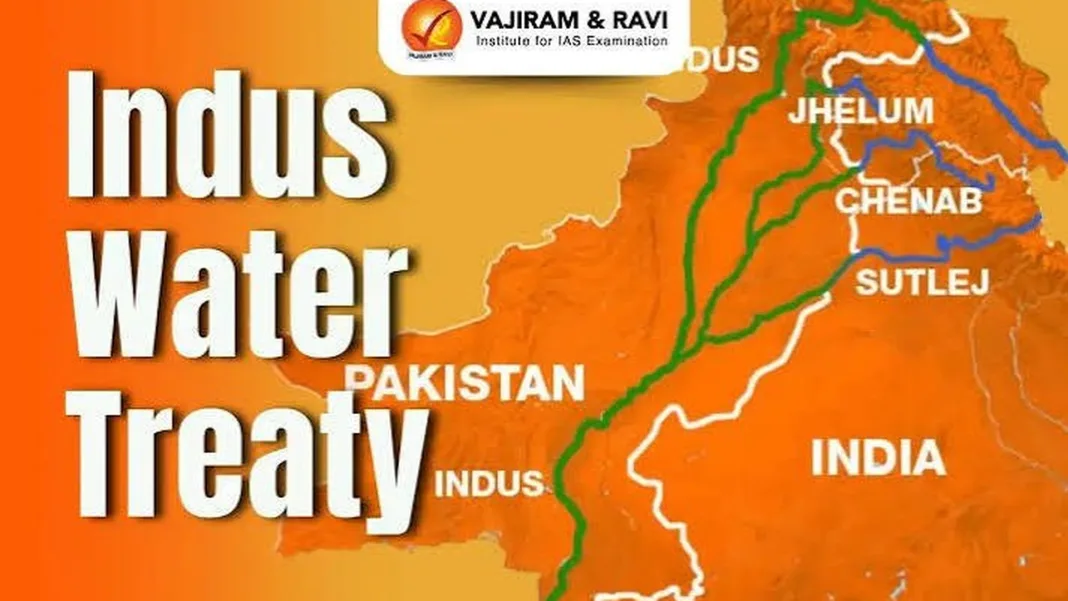
A new legal analysis of the Indus Waters Treaty sheds light on its dispute settlement mechanism, a critical component given the ongoing water-sharing tensions between India and Pakistan. The Indus River, approximately 1,800 miles long, supports a vast network of tributaries including the Jhelum, Chenab, and Sutlej, which are essential for agriculture and livelihoods in the region. The treaty, signed in 1960, allocates water rights between the two countries and includes provisions for resolving conflicts. This analysis comes at a time when water scarcity and climate change are increasing pressure on transboundary water resources. Understanding the legal framework is key to maintaining stability in South Asia. Article source: lithuaniatribune.com | Image credit: The Calabash Newspaper
A new legal analysis of the Indus Waters Treaty sheds light on its dispute settlement mechanism, a critical component given the ongoing water-sharing tensions between India and Pakistan. The Indus River, approximately 1,800 miles long, supports a vast network of tributaries including the Jhelum, Chenab, and Sutlej, which are essential for agriculture and livelihoods in the region. The treaty, signed in 1960, allocates water rights between the two countries and includes provisions for resolving conflicts. This analysis comes at a time when water scarcity and climate change are increasing pressure on transboundary water resources. Understanding the legal framework is key to maintaining stability in South Asia.
News Desk is the editorial publishing account for Tringlobe Media News, covering breaking news, public affairs, entertainment, community developments and regional stories across Trinidad and Tobago, the Caribbean and internationally.