The key points are temporarily unavailable. You can still read the full Story below.
Main Points
**Britain Faces Unprecedented Heat and Drought, Raising Concerns Over Agriculture and Public Health** *London, 28 August 2026* – An extended period of extreme heat and drought has swept across the United Kingdom, prompting warnings from farmers, health officials and government leaders about the country’s vulnerability to such weather events. **Agricultural Impact** In Leicestershire, 37‑year‑old farmer William Oliver described the current conditions as “unusual.” Oliver, who manages a 2,000‑acre family farm that produces wheat, corn, rapeseed and poultry, said the wheat harvest, normally scheduled for late August, was brought forward by three weeks to limit crop damage. He estimates the drought could cause an economic loss of roughly 20 percent for his operation. Data from the Met Office show that England received only 6.5 mm of rain in July 2026, about 10 percent of the long‑term average for the month, making it the driest July on record. Oliver noted that his farm lacks a professional irrigation system and relies heavily on rainfall, and he said government support for irrigation infrastructure has been “insufficient.” Other farmers across England reported similar challenges, citing early harvests, reduced yields and an elevated risk of fire. Rob Ford, a farmer in Cheshire, warned that continued hot and dry weather may force a change in farming practices. Prime Minister Andy Burnham described the summer as “probably the hardest for British farming in a generation.” **Health and Emergency Services** Since the start of 2026, the UK has experienced five heatwaves. In June, more than 2,000 heat‑related deaths were recorded, and some hospitals postponed surgeries because operating rooms became excessively hot. The persistent heat and dryness have also heightened the risk of wildfires. On 14 August, the government issued a nationwide emergency alert indicating a “very high” risk of wildfires and temporarily banned activities that could ignite fires. The day before the alert, a major fire broke out in Stourbridge, destroying 19 homes, damaging nearby railway infrastructure and leaving surrounding grassland scorched. Residents described the event as “heartbreaking” and “helpless,” noting that the blaze erased both property and personal memories. **Urban Effects** London’s public spaces have shown visible signs of the drought. Parks such as Regent’s Park and Hyde Park have large areas of yellowed and brown grass, and the banks of the River Thames have become gathering points for residents seeking relief from the heat. Local authorities have introduced hose‑pipe bans to conserve water, with fines of up to £1,000 for non‑compliance. **Outlook** The combination of agricultural strain, health emergencies and increased wildfire activity underscores growing concerns about the UK’s preparedness for extreme weather. Officials and experts have called for accelerated investment in water‑management infrastructure and broader climate‑adaptation strategies to mitigate the impacts of future heatwaves and droughts. Article and image source: theuknews.com
**Britain Faces Unprecedented Heat and Drought, Raising Concerns Over Agriculture and Public Health**
*London, 28 August 2026* – An extended period of extreme heat and drought has swept across the United Kingdom, prompting warnings from farmers, health officials and government leaders about the country’s vulnerability to such weather events.
**Agricultural Impact**
In Leicestershire, 37‑year‑old farmer William Oliver described the current conditions as “unusual.” Oliver, who manages a 2,000‑acre family farm that produces wheat, corn, rapeseed and poultry, said the wheat harvest, normally scheduled for late August, was brought forward by three weeks to limit crop damage. He estimates the drought could cause an economic loss of roughly 20 percent for his operation.
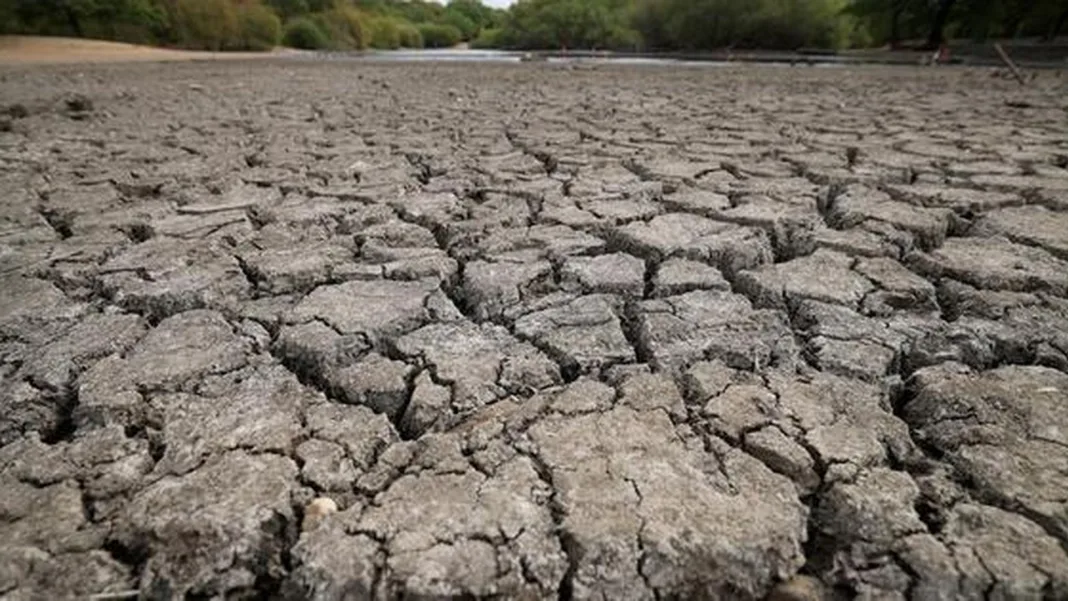
Data from the Met Office show that England received only 6.5 mm of rain in July 2026, about 10 percent of the long‑term average for the month, making it the driest July on record. Oliver noted that his farm lacks a professional irrigation system and relies heavily on rainfall, and he said government support for irrigation infrastructure has been “insufficient.”
Other farmers across England reported similar challenges, citing early harvests, reduced yields and an elevated risk of fire. Rob Ford, a farmer in Cheshire, warned that continued hot and dry weather may force a change in farming practices. Prime Minister Andy Burnham described the summer as “probably the hardest for British farming in a generation.”
**Health and Emergency Services**
Since the start of 2026, the UK has experienced five heatwaves. In June, more than 2,000 heat‑related deaths were recorded, and some hospitals postponed surgeries because operating rooms became excessively hot.
The persistent heat and dryness have also heightened the risk of wildfires. On 14 August, the government issued a nationwide emergency alert indicating a “very high” risk of wildfires and temporarily banned activities that could ignite fires. The day before the alert, a major fire broke out in Stourbridge, destroying 19 homes, damaging nearby railway infrastructure and leaving surrounding grassland scorched. Residents described the event as “heartbreaking” and “helpless,” noting that the blaze erased both property and personal memories.
**Urban Effects**
London’s public spaces have shown visible signs of the drought. Parks such as Regent’s Park and Hyde Park have large areas of yellowed and brown grass, and the banks of the River Thames have become gathering points for residents seeking relief from the heat. Local authorities have introduced hose‑pipe bans to conserve water, with fines of up to £1,000 for non‑compliance.
**Outlook**
The combination of agricultural strain, health emergencies and increased wildfire activity underscores growing concerns about the UK’s preparedness for extreme weather. Officials and experts have called for accelerated investment in water‑management infrastructure and broader climate‑adaptation strategies to mitigate the impacts of future heatwaves and droughts.
News Desk is the editorial publishing account for Tringlobe Media News, covering breaking news, public affairs, entertainment, community developments and regional stories across Trinidad and Tobago, the Caribbean and internationally.