The key points are temporarily unavailable. You can still read the full Story below.
Main Points
**Bank Indonesia Prohibits Surcharges on QRIS Payments** *JOGJA* – Consumers who use the Quick Response Code Indonesian Standard (QRIS) for cash‑less transactions should not be required to pay any additional fees. Bank Indonesia (BI) has clarified that any surcharge levied on buyers for using QRIS is prohibited, and that the Merchant Discount Rate (MDR) associated with QRIS transactions is the responsibility of merchants, not consumers. **Consumer complaints and the rule** Several consumers have reported encountering extra charges of roughly Rp 500 to Rp 1,000 when completing QRIS payments, causing the total amount paid to exceed the listed price of goods or services. BI stresses that such surcharges are not permissible. If a product is priced at Rp 50,000, the amount the consumer pays via QRIS must remain Rp 50,000, regardless of the payment method chosen. **What is QRIS and how it works** QRIS is a standardized QR‑code payment system developed jointly by Bank Indonesia and the Indonesian Payments System Association. It enables buyers to settle purchases by scanning a QR code with a mobile payment application. The system is now widely adopted across shopping malls, supermarkets, small shops, warungs, and street‑side vendors. **Distinguishing MDR from consumer surcharges** The MDR is a transaction fee that payment service providers (PSPs) charge merchants for processing QRIS payments. This fee is distinct from any surcharge that might be imposed on the buyer. BI’s regulations make clear that merchants may not pass the MDR on to consumers as an additional charge. For micro‑enterprises (UMI), BI has set the QRIS MDR at 0 % for transactions up to Rp 500,000. This exemption applies only to the merchant’s cost; it does not authorize merchants to add any extra fee to the consumer’s bill. **Regulatory basis** The prohibition of surcharges is stipulated in Bank Indonesia Regulation No. 23/6/PBI/2021 on Payment Service Providers. Article 52(1) states that providers of goods or services are forbidden from imposing additional charges on users for costs incurred by PSPs. The regulation also obliges PSPs to ensure compliance by merchants. Violations may result in administrative sanctions, including warnings, temporary or permanent suspension of activities, and revocation of PSP licensing. **Implications for merchants** Merchants offering QRIS as a payment option must ensure that the price displayed to consumers reflects the final amount payable, without any hidden or added fees. Failure to comply could trigger the administrative penalties outlined in the regulation. **Conclusion** Bank Indonesia’s stance reinforces the consumer protection principle that cash‑less payments via QRIS should not increase the cost of goods or services. Consumers can therefore use QRIS with confidence that the price they see is the price they pay, while merchants must absorb any MDR costs associated with the transaction. Article and image source: ekbis.harianjogja.com
**Bank Indonesia Prohibits Surcharges on QRIS Payments**
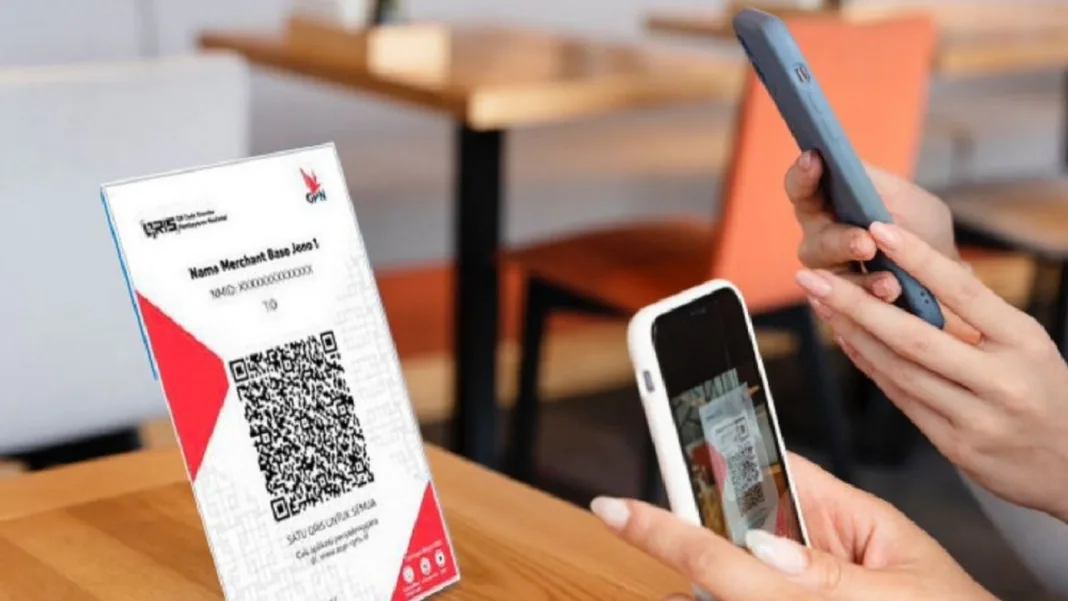
*JOGJA* – Consumers who use the Quick Response Code Indonesian Standard (QRIS) for cash‑less transactions should not be required to pay any additional fees. Bank Indonesia (BI) has clarified that any surcharge levied on buyers for using QRIS is prohibited, and that the Merchant Discount Rate (MDR) associated with QRIS transactions is the responsibility of merchants, not consumers.
**Consumer complaints and the rule**
Several consumers have reported encountering extra charges of roughly Rp 500 to Rp 1,000 when completing QRIS payments, causing the total amount paid to exceed the listed price of goods or services. BI stresses that such surcharges are not permissible. If a product is priced at Rp 50,000, the amount the consumer pays via QRIS must remain Rp 50,000, regardless of the payment method chosen.
**What is QRIS and how it works**
QRIS is a standardized QR‑code payment system developed jointly by Bank Indonesia and the Indonesian Payments System Association. It enables buyers to settle purchases by scanning a QR code with a mobile payment application. The system is now widely adopted across shopping malls, supermarkets, small shops, warungs, and street‑side vendors.
**Distinguishing MDR from consumer surcharges**
The MDR is a transaction fee that payment service providers (PSPs) charge merchants for processing QRIS payments. This fee is distinct from any surcharge that might be imposed on the buyer. BI’s regulations make clear that merchants may not pass the MDR on to consumers as an additional charge.
For micro‑enterprises (UMI), BI has set the QRIS MDR at 0 % for transactions up to Rp 500,000. This exemption applies only to the merchant’s cost; it does not authorize merchants to add any extra fee to the consumer’s bill.
**Regulatory basis**
The prohibition of surcharges is stipulated in Bank Indonesia Regulation No. 23/6/PBI/2021 on Payment Service Providers. Article 52(1) states that providers of goods or services are forbidden from imposing additional charges on users for costs incurred by PSPs. The regulation also obliges PSPs to ensure compliance by merchants. Violations may result in administrative sanctions, including warnings, temporary or permanent suspension of activities, and revocation of PSP licensing.
**Implications for merchants**
Merchants offering QRIS as a payment option must ensure that the price displayed to consumers reflects the final amount payable, without any hidden or added fees. Failure to comply could trigger the administrative penalties outlined in the regulation.
**Conclusion**
Bank Indonesia’s stance reinforces the consumer protection principle that cash‑less payments via QRIS should not increase the cost of goods or services. Consumers can therefore use QRIS with confidence that the price they see is the price they pay, while merchants must absorb any MDR costs associated with the transaction.
News Desk is the editorial publishing account for Tringlobe Media News, covering breaking news, public affairs, entertainment, community developments and regional stories across Trinidad and Tobago, the Caribbean and internationally.