The key points are temporarily unavailable. You can still read the full Story below.
Main Points
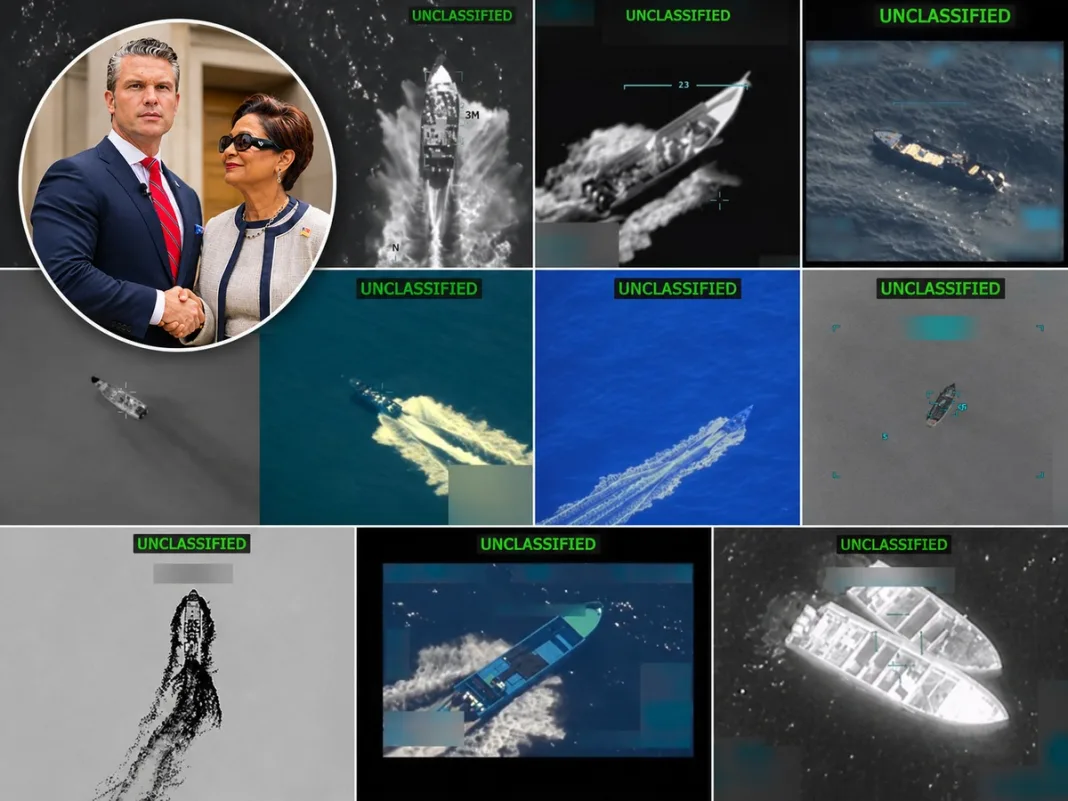
More than 240 dead, cocaine still flowing, and Trinidadian families now seeking justice through the courts. The boats are being blown out of the water, people are being killed, but the drug trade keeps moving. After more than a year of American military strikes across the Caribbean and eastern Pacific, the evidence raises an uncomfortable question: Are we winning the war on drugs, or simply increasing the body count? By October 27, 2026, US military strikes had destroyed at least 80 vessels and killed or left presumed dead 243 people, according to CNN’s tracking. Yet investigations and official assessments suggest the international cocaine trade remains remarkably resilient. THE NUMBERS ARE NOT ADDING UP A July 2026 investigation by The Washington Post, drawing on a Drug Enforcement Administration (DEA) assessment and Pentagon briefings, found that the strikes had not meaningfully reduced cocaine availability, increased its price or reduced its purity in the United States. CNN also reported that Customs and Border Protection cocaine seizures actually increased by approximately 2% during the first ten months after the strikes began, compared with the preceding ten months. Seizures alone cannot establish how much cocaine successfully enters the country, but they certainly do not prove that trafficking has stopped. The United Nations’ World Drug Report 2026 estimated global cocaine production at 4,100 metric tonnes in 2024, more than four times the level a decade earlier. Although those figures predate the strikes, they illustrate the enormous scale of the industry Washington is attempting to disrupt. Blowing up boats is not the same as dismantling drug networks. THE TRAFFICKERS HAVE SIMPLY CHANGED ROUTES An investigation by InSight Crime found that the strikes disrupted specific Caribbean smuggling corridors, including routes near Trinidad and Tobago. But traffickers adapted, shifting shipments through alternative sea lanes, commercial cargo vessels, aircraft and neighbouring territories. In October, the Organized Crime and Corruption Reporting Project (OCCRP) also documented cocaine speedboats continuing to operate from Colombia’s La Guajira peninsula despite American military attacks. Washington disputes the suggestion that its campaign is ineffective. In September, US Southern Command officials reported reductions of 65% in suspicious maritime activity in the western Caribbean, 60% in the eastern Caribbean and nearly 50% in key eastern Pacific areas. However, fewer boat movements in particular corridors do not necessarily mean fewer drugs reaching international markets. TRINIDADIAN FAMILIES TAKE THE LEGAL ROUTE While governments debate military success, families are seeking accountability. Relatives of Chad Joseph, 26, and Rishi Samaroo, 41, from Las Cuevas, Trinidad, filed a wrongful-death lawsuit against the United States in January 2026. Both men were reportedly killed in an October 14, 2025, strike while returning from Venezuela. Their families maintain that the men were involved in fishing and agricultural work, not drug trafficking. The case, filed in Massachusetts, was stayed on July 9 pending legal proceedings in Trinidad and Tobago concerning the men’s estates. Locally, the families also sought High Court declarations that the men were legally dead. These proceedings could provide a foundation for further legal action and demands for accountability. THE BIGGER QUESTION Human rights organisations have challenged the legality of the military strikes, while the Trump administration maintains that its operations target designated narco-terrorists. But even if someone is suspected of trafficking drugs, does suspicion alone justify a death sentence without arrest, charges or trial? For Trinidad and Tobago, this is no longer just an American foreign-policy debate. It involves Caribbean lives, national sovereignty, international law and a government navigating its relationship with Washington. The boats may be disappearing, but the drugs are not. The traffickers are adapting, the families are going to court, and the real architects of the drug trade remain difficult to reach. **If hundreds can die while cocaine remains available, the question is no longer how many boats America can destroy. It is whether this strategy is destroying the drug trade at all.
More than 240 dead, cocaine still flowing, and Trinidadian families now seeking justice through the courts.
The boats are being blown out of the water, people are being killed, but the drug trade keeps moving. After more than a year of American military strikes across the Caribbean and eastern Pacific, the evidence raises an uncomfortable question: Are we winning the war on drugs, or simply increasing the body count?
By October 27, 2026, US military strikes had destroyed at least 80 vessels and killed or left presumed dead 243 people, according to CNN’s tracking. Yet investigations and official assessments suggest the international cocaine trade remains remarkably resilient.
THE NUMBERS ARE NOT ADDING UP
A July 2026 investigation by The Washington Post, drawing on a Drug Enforcement Administration (DEA) assessment and Pentagon briefings, found that the strikes had not meaningfully reduced cocaine availability, increased its price or reduced its purity in the United States.
CNN also reported that Customs and Border Protection cocaine seizures actually increased by approximately 2% during the first ten months after the strikes began, compared with the preceding ten months. Seizures alone cannot establish how much cocaine successfully enters the country, but they certainly do not prove that trafficking has stopped.
The United Nations’ World Drug Report 2026 estimated global cocaine production at 4,100 metric tonnes in 2024, more than four times the level a decade earlier. Although those figures predate the strikes, they illustrate the enormous scale of the industry Washington is attempting to disrupt.
Blowing up boats is not the same as dismantling drug networks.
THE TRAFFICKERS HAVE SIMPLY CHANGED ROUTES
An investigation by InSight Crime found that the strikes disrupted specific Caribbean smuggling corridors, including routes near Trinidad and Tobago. But traffickers adapted, shifting shipments through alternative sea lanes, commercial cargo vessels, aircraft and neighbouring territories.
In October, the Organized Crime and Corruption Reporting Project (OCCRP) also documented cocaine speedboats continuing to operate from Colombia’s La Guajira peninsula despite American military attacks.
Washington disputes the suggestion that its campaign is ineffective. In September, US Southern Command officials reported reductions of 65% in suspicious maritime activity in the western Caribbean, 60% in the eastern Caribbean and nearly 50% in key eastern Pacific areas.
However, fewer boat movements in particular corridors do not necessarily mean fewer drugs reaching international markets.
TRINIDADIAN FAMILIES TAKE THE LEGAL ROUTE
While governments debate military success, families are seeking accountability.
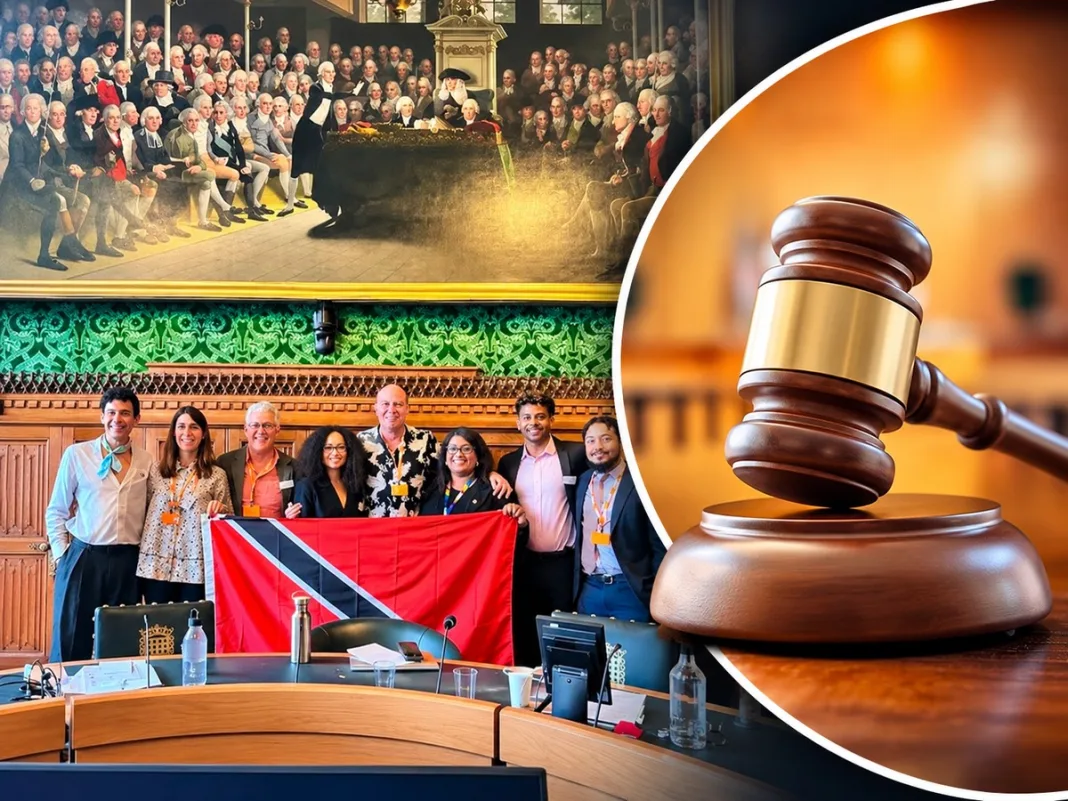
Relatives of Chad Joseph, 26, and Rishi Samaroo, 41, from Las Cuevas, Trinidad, filed a wrongful-death lawsuit against the United States in January 2026. Both men were reportedly killed in an October 14, 2025, strike while returning from Venezuela.
Their families maintain that the men were involved in fishing and agricultural work, not drug trafficking.
The case, filed in Massachusetts, was stayed on July 9 pending legal proceedings in Trinidad and Tobago concerning the men’s estates. Locally, the families also sought High Court declarations that the men were legally dead.
These proceedings could provide a foundation for further legal action and demands for accountability.
THE BIGGER QUESTION
Human rights organisations have challenged the legality of the military strikes, while the Trump administration maintains that its operations target designated narco-terrorists.
But even if someone is suspected of trafficking drugs, does suspicion alone justify a death sentence without arrest, charges or trial?
For Trinidad and Tobago, this is no longer just an American foreign-policy debate. It involves Caribbean lives, national sovereignty, international law and a government navigating its relationship with Washington.
The boats may be disappearing, but the drugs are not. The traffickers are adapting, the families are going to court, and the real architects of the drug trade remain difficult to reach.
**If hundreds can die while cocaine remains available, the question is no longer how many boats America can destroy. It is whether this strategy is destroying the drug trade at all.
News Desk is the editorial publishing account for Tringlobe Media News, covering breaking news, public affairs, entertainment, community developments and regional stories across Trinidad and Tobago, the Caribbean and internationally.