The key points are temporarily unavailable. You can still read the full Story below.
Main Points
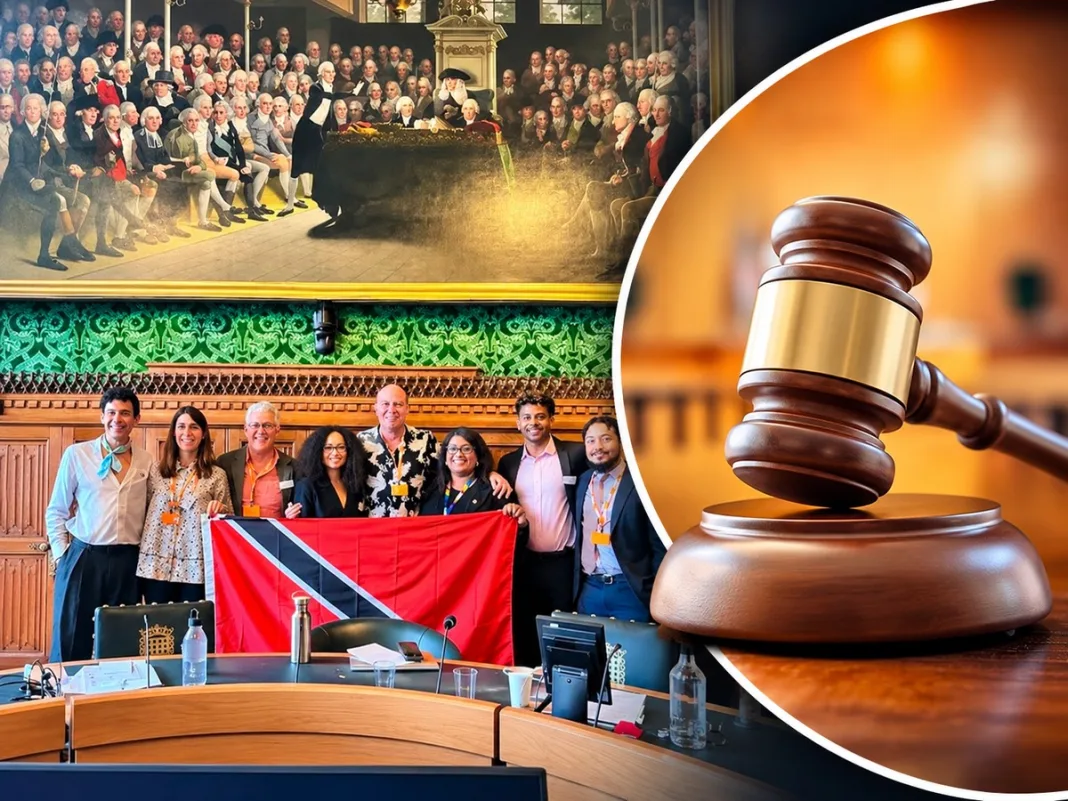
Privy Council Expected to Rule Today on Trinidad and Tobago's Laws Criminalising Same-Sex Activity The Judicial Committee of the Privy Council is expected to deliver a major ruling today, Tuesday 10 November 2026, on the constitutionality of Trinidad and Tobago's laws criminalising consensual sexual activity between same-sex partners. According to a Mezha.net report citing CNN, the London-based court is considering an appeal brought by Trinidad-born LGBTQ+ rights activist Jason Jones, whose legal challenge has moved through the country's courts for several years. The case centres on provisions of Trinidad and Tobago's sexual offences legislation that criminalise buggery and gross indecency, with penalties reportedly reaching five years and two years of imprisonment respectively under the provisions at issue. Jones initially secured a landmark victory in 2018 when the High Court ruled in favour of his constitutional challenge. However, the Court of Appeal overturned that decision in 2025, prompting him to pursue the matter before the Privy Council, Trinidad and Tobago's final appellate court. At the centre of the legal dispute is whether legislation introduced after independence can benefit from constitutional protections originally intended to preserve laws inherited from British colonial rule. The country's original prohibition dates back to legislation enacted in 1925. However, in 1986, Trinidad and Tobago introduced new sexual offences legislation, strengthening certain penalties and expanding the scope of indecency offences. Jones' legal representatives argue that these legislative changes created provisions distinct from the original colonial laws and therefore should not be protected by the Constitution's savings clause. The Government has defended the legislation, setting the stage for a ruling that could have significant implications for constitutional law and the interpretation of inherited legislation. Speaking ahead of the anticipated judgment, Jones described his challenge as part of a broader effort to advance equality and address discrimination. Although any decision would directly concern Trinidad and Tobago, legal observers believe the reasoning could influence similar constitutional challenges elsewhere in the Caribbean. Countries including Jamaica, Guyana, Grenada, and Saint Vincent and the Grenadines retain legislation criminalising certain same-sex sexual activity, although their constitutional arrangements and appellate jurisdictions differ. The expected ruling represents another important stage in a legal battle that began in Trinidad and Tobago's High Court and has attracted attention beyond the country's borders. At the time of this report, the Privy Council's decision had not been confirmed. The outcome of the appeal remains pending verification.
Privy Council Expected to Rule Today on Trinidad and Tobago's Laws Criminalising Same-Sex Activity
The Judicial Committee of the Privy Council is expected to deliver a major ruling today, Tuesday 10 November 2026, on the constitutionality of Trinidad and Tobago's laws criminalising consensual sexual activity between same-sex partners.
According to a Mezha.net report citing CNN, the London-based court is considering an appeal brought by Trinidad-born LGBTQ+ rights activist Jason Jones, whose legal challenge has moved through the country's courts for several years.
The case centres on provisions of Trinidad and Tobago's sexual offences legislation that criminalise buggery and gross indecency, with penalties reportedly reaching five years and two years of imprisonment respectively under the provisions at issue.
Jones initially secured a landmark victory in 2018 when the High Court ruled in favour of his constitutional challenge. However, the Court of Appeal overturned that decision in 2025, prompting him to pursue the matter before the Privy Council, Trinidad and Tobago's final appellate court.
At the centre of the legal dispute is whether legislation introduced after independence can benefit from constitutional protections originally intended to preserve laws inherited from British colonial rule.
The country's original prohibition dates back to legislation enacted in 1925. However, in 1986, Trinidad and Tobago introduced new sexual offences legislation, strengthening certain penalties and expanding the scope of indecency offences.
Jones' legal representatives argue that these legislative changes created provisions distinct from the original colonial laws and therefore should not be protected by the Constitution's savings clause.
The Government has defended the legislation, setting the stage for a ruling that could have significant implications for constitutional law and the interpretation of inherited legislation.
Speaking ahead of the anticipated judgment, Jones described his challenge as part of a broader effort to advance equality and address discrimination.
Although any decision would directly concern Trinidad and Tobago, legal observers believe the reasoning could influence similar constitutional challenges elsewhere in the Caribbean.
Countries including Jamaica, Guyana, Grenada, and Saint Vincent and the Grenadines retain legislation criminalising certain same-sex sexual activity, although their constitutional arrangements and appellate jurisdictions differ.
The expected ruling represents another important stage in a legal battle that began in Trinidad and Tobago's High Court and has attracted attention beyond the country's borders.
At the time of this report, the Privy Council's decision had not been confirmed. The outcome of the appeal remains pending verification.
News Desk is the editorial publishing account for Tringlobe Media News, covering breaking news, public affairs, entertainment, community developments and regional stories across Trinidad and Tobago, the Caribbean and internationally.