The key points are temporarily unavailable. You can still read the full Story below.
Main Points
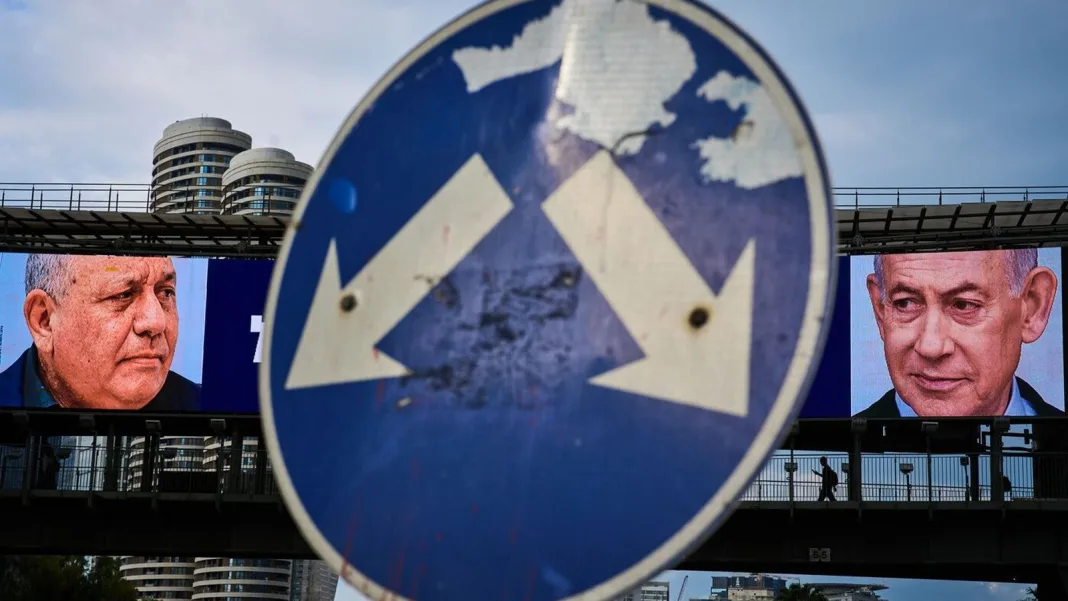
Following the parliamentary elections held in Israel on October 27, 2026, both Prime Minister Benjamin Netanyahu and opposition leader Gadi Eisenkot have expressed their intent to form a new government. However, neither political bloc secured the 61-seat majority required to govern in the 120-seat Knesset, leaving the outcome of the election uncertain. As of October 28, with approximately 76.8 percent of the vote counted, Netanyahu’s Likud party remains the largest single party with 27 seats, while his broader coalition holds 54 seats. The opposition, led by Eisenkot, holds 47 seats. Arab-led parties, which saw high voter turnout, hold a combined 19 seats, with the Joint List holding 13 and Ra'am holding 6. The formation of a stable government faces significant hurdles due to the refusal of both major leaders to include Arab parties in their coalitions. Netanyahu has previously dismissed the possibility of working with these parties, characterizing such cooperation as "treason." Eisenkot has also ruled out a partnership, citing a lack of shared values. Yair Golan, leader of the Democratic Party, has been the only prominent political figure to advocate for a coalition involving the Arab parties, arguing that such a partnership is necessary to unseat Netanyahu. Yousef Jabareen, a leader of the Joint List, has similarly called for cooperation between Jewish and Arab citizens to form a new government. The responsibility for initiating the government formation process now rests with President Isaac Herzog. The president must decide whether to grant the mandate to the leader of the party with the most votes or to a candidate he deems more capable of building a viable coalition. Analysts suggest that Eisenkot faces a difficult choice: either pursue an unprecedented partnership with Arab parties, enter a form of power-sharing with Netanyahu, or face the prospect of a prolonged political stalemate and potential new elections. Voter turnout for the election was 77.7 percent, a notable increase from the 70.6 percent recorded in 2022. The final distribution of seats remains subject to change as the remaining ballots are processed. Article source: Vísir | Image credit: Vísir
Following the parliamentary elections held in Israel on October 27, 2026, both Prime Minister Benjamin Netanyahu and opposition leader Gadi Eisenkot have expressed their intent to form a new government. However, neither political bloc secured the 61-seat majority required to govern in the 120-seat Knesset, leaving the outcome of the election uncertain. As of October 28, with approximately 76.8 percent of the vote counted, Netanyahu’s Likud party remains the largest single party with 27 seats, while his broader coalition holds 54 seats. The opposition, led by Eisenkot, holds 47 seats. Arab-led parties, which saw high voter turnout, hold a combined 19 seats, with the Joint List holding 13 and Ra’am holding 6. The formation of a stable government faces significant hurdles due to the refusal of both major leaders to include Arab parties in their coalitions. Netanyahu has previously dismissed the possibility of working with these parties, characterizing such cooperation as “treason.” Eisenkot has also ruled out a partnership, citing a lack of shared values. Yair Golan, leader of the Democratic Party, has been the only prominent political figure to advocate for a coalition involving the Arab parties, arguing that such a partnership is necessary to unseat Netanyahu. Yousef Jabareen, a leader of the Joint List, has similarly called for cooperation between Jewish and Arab citizens to form a new government. The responsibility for initiating the government formation process now rests with President Isaac Herzog. The president must decide whether to grant the mandate to the leader of the party with the most votes or to a candidate he deems more capable of building a viable coalition. Analysts suggest that Eisenkot faces a difficult choice: either pursue an unprecedented partnership with Arab parties, enter a form of power-sharing with Netanyahu, or face the prospect of a prolonged political stalemate and potential new elections. Voter turnout for the election was 77.7 percent, a notable increase from the 70.6 percent recorded in 2022. The final distribution of seats remains subject to change as the remaining ballots are processed.
News Desk is the editorial publishing account for Tringlobe Media News, covering breaking news, public affairs, entertainment, community developments and regional stories across Trinidad and Tobago, the Caribbean and internationally.