The key points are temporarily unavailable. You can still read the full Story below.
Main Points
Chef Wang Yung-tsung, an expert in traditional Taiwanese banquet cuisine, has documented the intricate preparation of the classic dish known as “Budai Chicken” (Cloth Bag Chicken) in his new book, “Serving Up Sumptuous Taiwanese Flavors with Vintage Tableware.” The dish, which requires a highly technical deboning process that leaves the chicken skin intact, serves as a testament to the labor-intensive culinary traditions of Taiwan’s past.
According to Wang, the preparation of Budai Chicken involves removing the chicken’s skeletal structure through a small incision, effectively turning the bird into a “cloth bag” that can be stuffed with various ingredients. Historically, chefs used a combination of five or eight treasures, such as taro, chestnuts, mushrooms, and ham. Wang notes that while modern food safety regulations regarding poultry slaughter have necessitated adjustments to the traditional method—such as using skewers to seal the cavity—the core technique remains a vital part of preserving Taiwan’s culinary heritage.
Wang also recounts the history of banquet improvisation, including a dish once served at local restaurants called “Five Sons Mourning the Grave.” This creative presentation featured a Budai Chicken topped with stir-fried shark fin, surrounded by five deep-fried squabs, a name chosen by chefs to entertain guests during lively banquet settings.
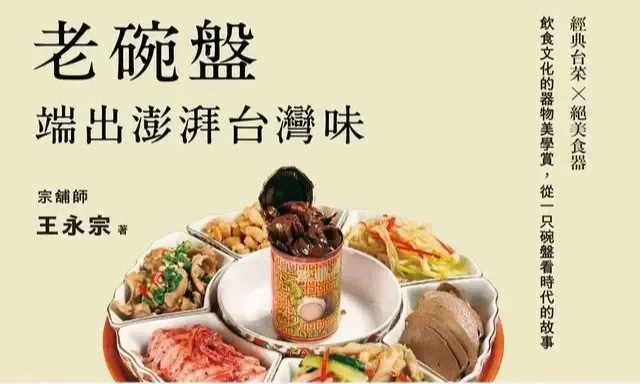
Beyond the culinary techniques, Wang explores the cultural significance of vintage Taiwanese tableware. He explains that the production of local ceramics flourished after World War II, as the demand for affordable, decorated housewares grew. Wang often pairs his traditional dishes with vintage pieces, such as the “Calla Lily” patterned plates produced by Datong Ceramics in the 1960s and 1970s, to evoke the atmosphere of childhood banquets.
Wang’s book, published by Rye Field Publishing, aims to bridge the gap between disappearing culinary arts and the history of everyday objects in Taiwan. By combining recipes for complex banquet dishes with an analysis of antique ceramics, the author seeks to document the cultural identity and social history embedded in Taiwan’s traditional dining practices.
Article source: www.thenewslens.com | Image credit: www.thenewslens.com