The key points are temporarily unavailable. You can still read the full Story below.
Main Points
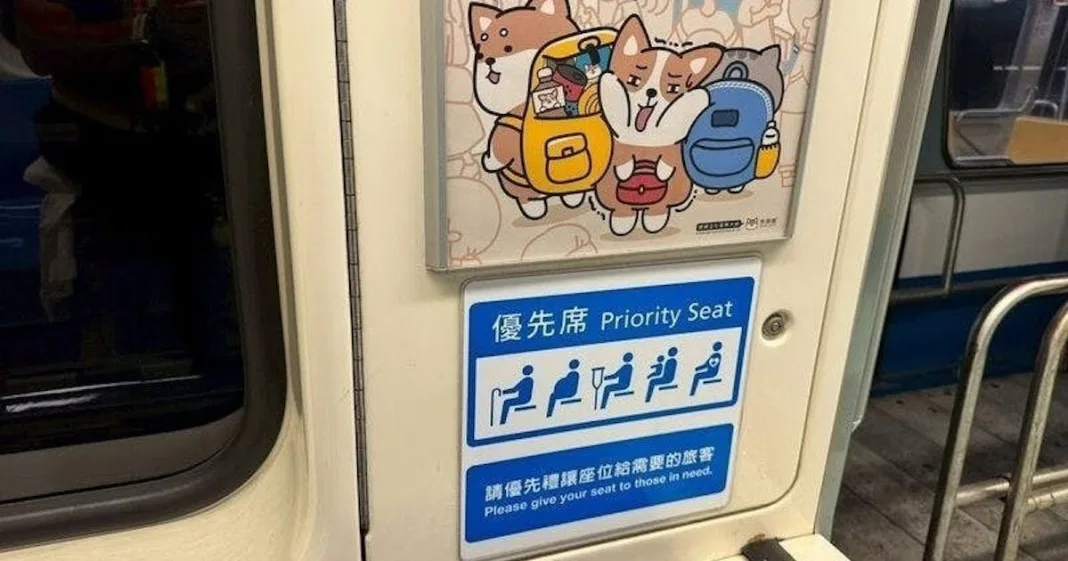
Taiwan’s Legislative Yuan passed an amendment to the People with Disabilities Rights Protection Act on July 15, 2025, officially renaming the public transport seats previously known as “priority seats” (博愛座) to “priority seats” (優先席). The amendment also updated the target demographic from the traditional “elderly, weak, women, and children” to “people with disabilities or those with actual needs.”
The transition from the term “universal love” (博愛) to “priority” (優先) reflects a shift in how public resources are managed. While the change aims to reduce the moral pressure and social stigma often associated with these seats, it has sparked a broader discussion regarding the balance between institutional rights and individual empathy in Taiwanese society.
Recent social media discourse has highlighted tensions surrounding seat-sharing etiquette. Some commuters argue that personal fatigue justifies not yielding a seat, while others contend that the focus on “rights” and “obligations” may be eroding the culture of voluntary kindness. Critics of the current social climate note that the concept of “refusing moral kidnapping” is increasingly being used to justify a lack of concern for others, potentially shifting social norms toward a more individualistic perspective where personal convenience takes precedence over mutual assistance.
Commentators suggest that while the legal and institutional framework must prioritize those with specific needs, the cultural spirit of “universal love” remains essential for a cohesive society. The goal of the policy change is to ensure that individuals with hidden needs can use the seats without fear of judgment, while still encouraging a culture where passengers voluntarily offer their seats to those in need, not out of legal obligation, but out of social empathy.
The debate underscores the challenge of maintaining a compassionate public environment as society moves toward more formalized, rights-based systems. Experts emphasize that while institutions can define the order of priority, they cannot mandate empathy, which remains a vital component of public life.
Article source: www.thenewslens.com | Image credit: www.thenewslens.com