The key points are temporarily unavailable. You can still read the full Story below.
Main Points
### Families and Psychiatrists Question Nova Scotia’s Involuntary Psychiatric Treatment Act A growing number of families and mental health professionals in Nova Scotia are raising concerns about the effectiveness of the province’s *Involuntary Psychiatric Treatment Act* (IPTA), arguing that recent legislative changes intended to protect patient rights are creating a "revolving door" for individuals suffering from severe mental illness, addiction, and homelessness. #### The "Revolving Door" of Care One father, who spoke on the condition of anonymity, described a years-long struggle to secure consistent care for his 25-year-old son, who has been diagnosed with schizophrenia, ADHD, and polysubstance abuse disorder. The son has been involuntarily admitted to hospitals eight times, often ending up in the criminal justice system or homeless encampments in Dartmouth after being released. The father reports that his son frequently experiences psychosis, during which he has threatened family members and others. Despite the father’s repeated pleas for long-term institutionalization and medication, the son is often discharged after short stays. In several instances, the father noted that involuntary treatment orders were overturned by the IPTA review board due to administrative technicalities. #### Legal Challenges and Procedural Hurdles Dr. Jason Morrison, a psychiatrist and director of the Nova Scotia Early Psychosis Program, noted that the 2022 amendments to the IPTA—designed to align with the United Nations Charter of the Rights of Disabled Persons—have led to a significant increase in review board hearings. According to the board’s 2024 report, there were 265 applications for hearings that year. Of the cases that proceeded to a hearing, 11 resulted in the revocation of involuntary status. Dr. Morrison highlighted that psychiatrists often face these hearings without legal representation, while patients are provided with lawyers. He added that technical errors in paperwork—such as the complexity of forms or documentation disputes—frequently result in patients being released from involuntary care, even when clinical staff believe they remain a danger to themselves or others. #### The Intersection of Addiction and Mental Health A significant challenge identified by both families and clinicians is the lack of involuntary treatment options for drug addiction. Dr. Morrison explained that while schizophrenia can be treated, the effectiveness of hospital care is often undermined when patients return to the use of substances like crack cocaine, crystal meth, or cannabis upon release. "There’s really no evidence that keeping someone in the hospital for months and years diminishes their drug use," Dr. Morrison said, noting that the law does not currently permit involuntary treatment for addiction. #### Broader Context and Legal Precedents The debate over involuntary care extends beyond Nova Scotia. In British Columbia, the provincial government’s attempt to expand involuntary care for addiction was recently challenged in court. Justice Lauren Blake of the B.C. Supreme Court ruled that certain changes to the province's *Mental Health Act* violated patient rights to liberty and security, giving the government six months to amend the legislation. In the federal sphere, Ontario MP Kelly DeRidder has introduced Bill C-240, which proposes allowing judges to mandate addiction treatment and counseling as part of criminal sentencing. However, such measures would only apply after a conviction. For parents like the one interviewed, the current system remains a source of profound distress. "The system has failed my son," the father said. "I don’t think he’d hurt me. My greatest fear is that he’d hurt someone else." As of late 2025, the father reported that his son had been released from a forensic hospital to a Halifax emergency room, subsequently discharged, and is currently missing. Article and image source: saltwire.com
### Families and Psychiatrists Question Nova Scotia’s Involuntary Psychiatric Treatment Act
A growing number of families and mental health professionals in Nova Scotia are raising concerns about the effectiveness of the province’s *Involuntary Psychiatric Treatment Act* (IPTA), arguing that recent legislative changes intended to protect patient rights are creating a “revolving door” for individuals suffering from severe mental illness, addiction, and homelessness.
#### The “Revolving Door” of Care
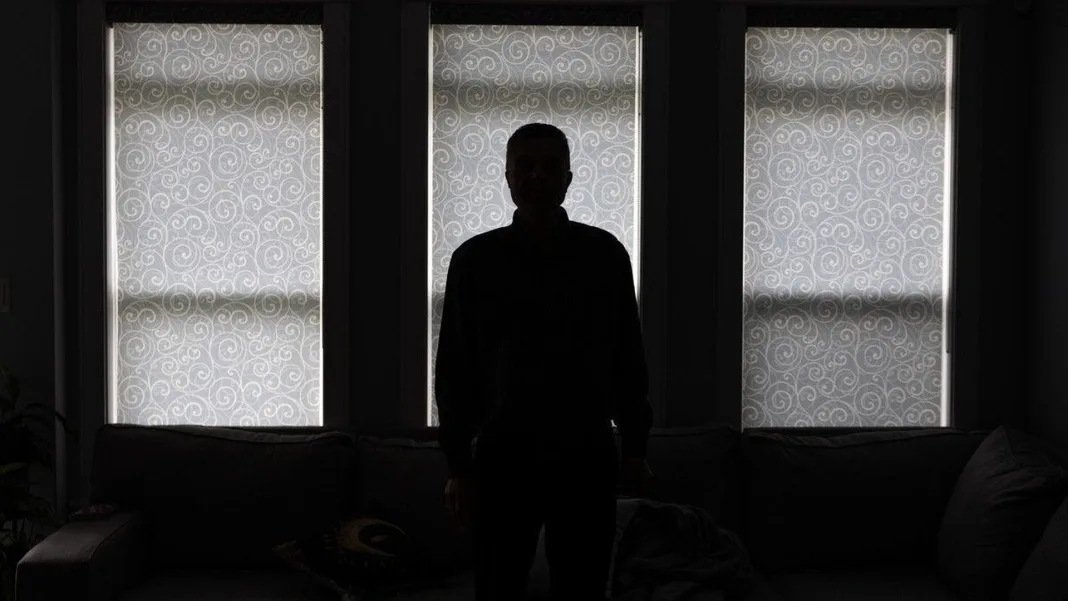
One father, who spoke on the condition of anonymity, described a years-long struggle to secure consistent care for his 25-year-old son, who has been diagnosed with schizophrenia, ADHD, and polysubstance abuse disorder. The son has been involuntarily admitted to hospitals eight times, often ending up in the criminal justice system or homeless encampments in Dartmouth after being released.
The father reports that his son frequently experiences psychosis, during which he has threatened family members and others. Despite the father’s repeated pleas for long-term institutionalization and medication, the son is often discharged after short stays. In several instances, the father noted that involuntary treatment orders were overturned by the IPTA review board due to administrative technicalities.
#### Legal Challenges and Procedural Hurdles
Dr. Jason Morrison, a psychiatrist and director of the Nova Scotia Early Psychosis Program, noted that the 2022 amendments to the IPTA—designed to align with the United Nations Charter of the Rights of Disabled Persons—have led to a significant increase in review board hearings.
According to the board’s 2024 report, there were 265 applications for hearings that year. Of the cases that proceeded to a hearing, 11 resulted in the revocation of involuntary status. Dr. Morrison highlighted that psychiatrists often face these hearings without legal representation, while patients are provided with lawyers. He added that technical errors in paperwork—such as the complexity of forms or documentation disputes—frequently result in patients being released from involuntary care, even when clinical staff believe they remain a danger to themselves or others.
#### The Intersection of Addiction and Mental Health
A significant challenge identified by both families and clinicians is the lack of involuntary treatment options for drug addiction. Dr. Morrison explained that while schizophrenia can be treated, the effectiveness of hospital care is often undermined when patients return to the use of substances like crack cocaine, crystal meth, or cannabis upon release.
“There’s really no evidence that keeping someone in the hospital for months and years diminishes their drug use,” Dr. Morrison said, noting that the law does not currently permit involuntary treatment for addiction.
#### Broader Context and Legal Precedents
The debate over involuntary care extends beyond Nova Scotia. In British Columbia, the provincial government’s attempt to expand involuntary care for addiction was recently challenged in court. Justice Lauren Blake of the B.C. Supreme Court ruled that certain changes to the province’s *Mental Health Act* violated patient rights to liberty and security, giving the government six months to amend the legislation.
In the federal sphere, Ontario MP Kelly DeRidder has introduced Bill C-240, which proposes allowing judges to mandate addiction treatment and counseling as part of criminal sentencing. However, such measures would only apply after a conviction.
For parents like the one interviewed, the current system remains a source of profound distress. “The system has failed my son,” the father said. “I don’t think he’d hurt me. My greatest fear is that he’d hurt someone else.”
As of late 2025, the father reported that his son had been released from a forensic hospital to a Halifax emergency room, subsequently discharged, and is currently missing.
News Desk is the editorial publishing account for Tringlobe Media News, covering breaking news, public affairs, entertainment, community developments and regional stories across Trinidad and Tobago, the Caribbean and internationally.