The key points are temporarily unavailable. You can still read the full Story below.
Main Points
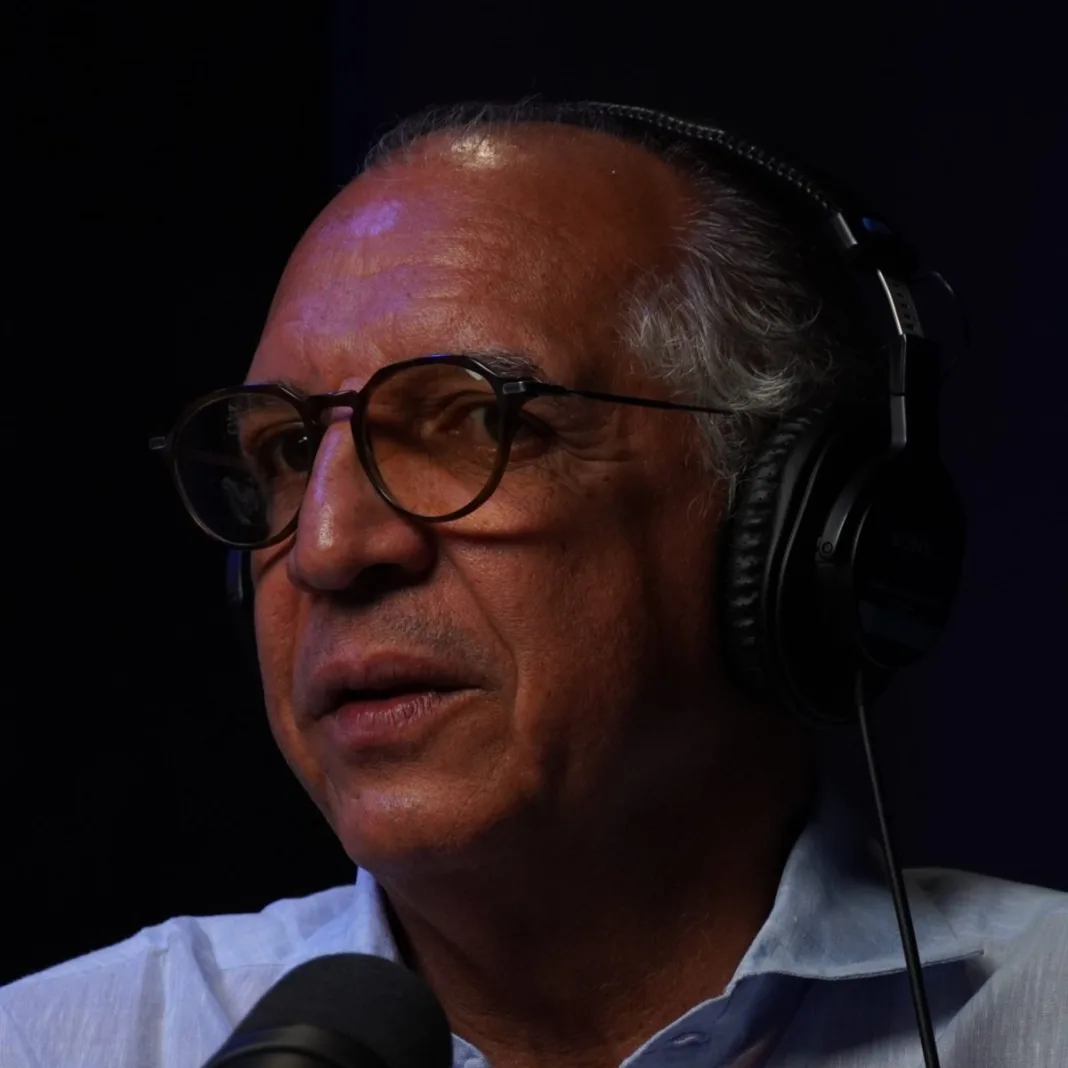
El Salvador’s Military Mission in Haiti Faces Legal and Operational Scrutiny José Eliseo Almánzar, a lawyer and political analyst, presented a detailed legal and strategic review of the Salvadoran military deployment in Haiti on the radio program Esto No es Radio Show. Almánzar highlighted several legal provisions and operational concerns that he argues undermine the official narrative of the mission. ### Legal Framework Almánzar focused on Decree 679, enacted by the Salvadoran Legislative Assembly on 2 October. The decree, according to Almánzar, altered the original mandate of Salvadoran military technicians—who had been conducting medical evacuation of wounded personnel—to formally authorize them to participate in defensive combat operations. He also noted that the decree established a penal immunity regime that removes Haitian courts’ jurisdiction over the Salvadoran soldiers, reserving criminal jurisdiction exclusively for Salvadoran courts. Almánzar suggested that this legal arrangement was designed to keep the mission outside the purview of the Fuerza de Supresión de Pandillas (FSP), the international force coordinating the operation. ### Allegations of a Disappearance Sixteen days after the decree’s promulgation, four Salvadoran soldiers reportedly disappeared while reportedly using a map application to purchase food. Almánzar questioned the authenticity of the alleged kidnapping, pointing out the absence of typical kidnapping indicators such as ransom demands, hostage statements, or proof of life. He noted that neither the Salvadoran government nor the leadership of the multinational force has released the official identities of the missing soldiers. Almánzar described the Salvadoran president’s statements about “rescuing” the soldiers as a political communication strategy, arguing that vague objectives such as “giving the gangsters a lesson” serve marketing purposes rather than operational clarity. ### Historical and Operational Context Almánzar cited Haiti’s history of foreign intervention, noting that the country has been occupied by foreign troops for 43 of the last 111 years—approximately 39% of its recent history—without achieving lasting solutions. He also highlighted a stark operational imbalance: the Haitian National Police has about 3,000 officers tasked with protecting a population of 11 million, while an estimated 25,000 gang members operate in a 900‑square‑kilometer area around Port-au-Prince. The analysis was presented without additional commentary or promotional material, focusing solely on the legal and strategic aspects of the Salvadoran mission in Haiti. Article source: De Ultimo Minuto | Image credit: De Ultimo Minuto
El Salvador’s Military Mission in Haiti Faces Legal and Operational Scrutiny José Eliseo Almánzar, a lawyer and political analyst, presented a detailed legal and strategic review of the Salvadoran military deployment in Haiti on the radio program Esto No es Radio Show. Almánzar highlighted several legal provisions and operational concerns that he argues undermine the official narrative of the mission. ### Legal Framework Almánzar focused on Decree 679, enacted by the Salvadoran Legislative Assembly on 2 October. The decree, according to Almánzar, altered the original mandate of Salvadoran military technicians—who had been conducting medical evacuation of wounded personnel—to formally authorize them to participate in defensive combat operations. He also noted that the decree established a penal immunity regime that removes Haitian courts’ jurisdiction over the Salvadoran soldiers, reserving criminal jurisdiction exclusively for Salvadoran courts. Almánzar suggested that this legal arrangement was designed to keep the mission outside the purview of the Fuerza de Supresión de Pandillas (FSP), the international force coordinating the operation. ### Allegations of a Disappearance Sixteen days after the decree’s promulgation, four Salvadoran soldiers reportedly disappeared while reportedly using a map application to purchase food. Almánzar questioned the authenticity of the alleged kidnapping, pointing out the absence of typical kidnapping indicators such as ransom demands, hostage statements, or proof of life. He noted that neither the Salvadoran government nor the leadership of the multinational force has released the official identities of the missing soldiers. Almánzar described the Salvadoran president’s statements about “rescuing” the soldiers as a political communication strategy, arguing that vague objectives such as “giving the gangsters a lesson” serve marketing purposes rather than operational clarity. ### Historical and Operational Context Almánzar cited Haiti’s history of foreign intervention, noting that the country has been occupied by foreign troops for 43 of the last 111 years—approximately 39% of its recent history—without achieving lasting solutions. He also highlighted a stark operational imbalance: the Haitian National Police has about 3,000 officers tasked with protecting a population of 11 million, while an estimated 25,000 gang members operate in a 900‑square‑kilometer area around Port-au-Prince. The analysis was presented without additional commentary or promotional material, focusing solely on the legal and strategic aspects of the Salvadoran mission in Haiti.
News Desk is the editorial publishing account for Tringlobe Media News, covering breaking news, public affairs, entertainment, community developments and regional stories across Trinidad and Tobago, the Caribbean and internationally.