The key points are temporarily unavailable. You can still read the full Story below.
Main Points
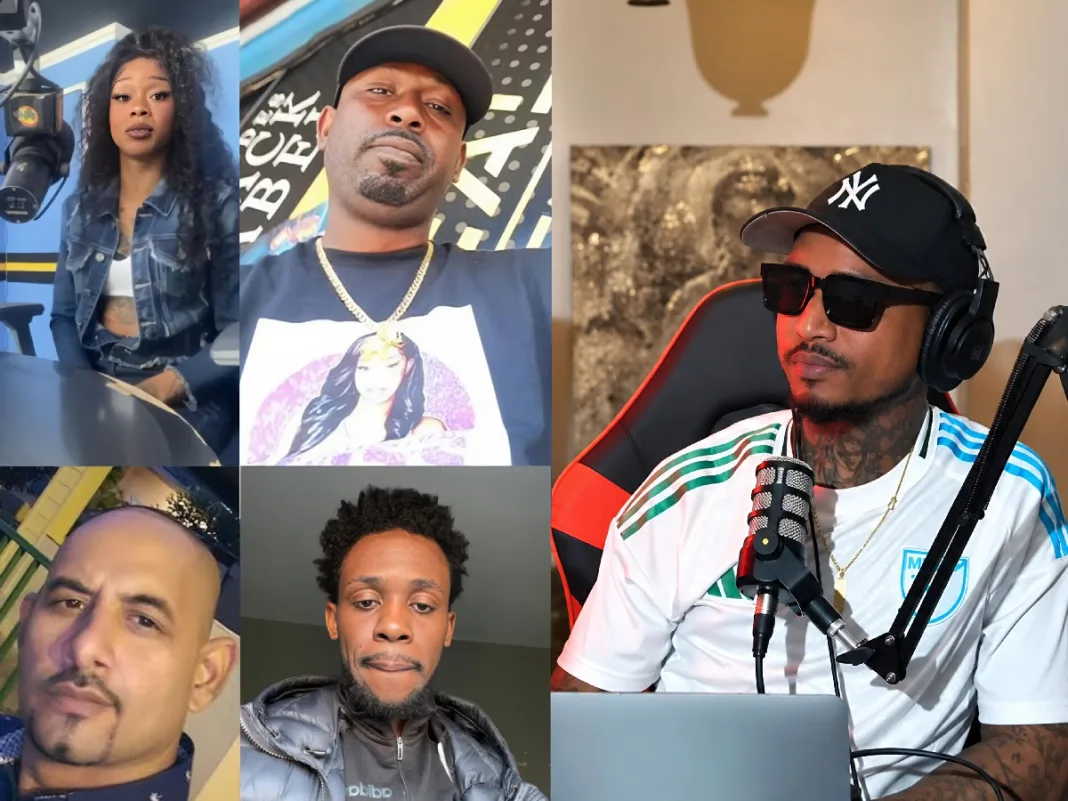
Music producer and podcast host Khalif "KG" Greaves has found himself at the centre of a growing social media debate following outspoken remarks about race, discrimination and political loyalty in Trinidad and Tobago. Greaves, known for his involvement in the Trinibad music industry and his Talks with KG podcast, has built a public following through discussions on entertainment, crime, culture and social issues. However, comments made during a recent podcast discussion have attracted widespread attention, prompting responses from fellow content creators and members of the public, with opinions divided over both his message and the language used to deliver it. During the discussion, KG expressed frustration over what he believes is the continued discrimination and marginalisation of African Trinidadians. He argued that African people continue to face negative stereotypes, particularly surrounding criminality, while their contributions to society are sometimes overlooked or undervalued. Greaves also spoke about the challenges faced by young Black men attempting to establish themselves, suggesting that their achievements can sometimes be overshadowed by negative public perceptions. His argument extended into politics, where he questioned why some African Trinidadians support individuals and political interests he believes have contributed to their marginalisation. KG criticised those he felt were compromising their principles or overlooking discrimination for political acceptance. He also made sweeping claims about racism within the Indian community, statements that have become a major point of disagreement among those responding to the podcast. Despite anticipating criticism, Greaves insisted that he would continue standing up for African people and speaking about what he considers longstanding injustices. The remarks have since sparked responses from several social media personalities. Entertainer and content creator Nigel "NCW" Watson challenged KG's position, defending the right of citizens to associate with politicians and support whichever political party they choose. Watson also shared musical content during the ongoing online exchange, including a track titled "Who You Remind Me Of", while questioning messages that divide Trinidadians along racial lines. Social media personality Matara French, also known as Goodness, entered the discussion through an Instagram video. Matara argued that Trinidadians should not be expected to support a particular political party because of their ethnicity. She explained that she previously supported and worked with the PNM before deciding to support another political party, maintaining that citizens should have the freedom to change their political preferences without facing criticism based on race. Social media commentator Stephan Reis also weighed in, questioning KG's political independence following his reported interview with PNM MP Kareem Marcelle. Reis suggested that KG's subsequent commentary resembled a PNM political narrative and questioned whether the interview had influenced his views. He also raised an unsubstantiated suggestion about possible financial influence. No evidence was presented to establish that KG received payment for expressing his position. Meanwhile, the public response has been mixed. Some social media users have defended Greaves, arguing that he is raising concerns about discrimination and political double standards that deserve greater attention. One supporter praised KG for speaking his mind, while another declared, "And everything he say I agree." Others questioned the generalisations made during the podcast. One commenter shared the deeply personal experience of being raised by an East Indian man despite being of African descent, describing a relationship built on love and acceptance rather than ethnicity. "He was my father. I never saw race," the commenter wrote. Another participant argued that ordinary citizens were becoming distracted by political and racial disputes while successive governments escaped sufficient scrutiny over national issues. The differing responses illustrate how KG's remarks have touched on several sensitive questions in Trinidad and Tobago. Can someone speak openly about discrimination affecting their community without being accused of promoting division? Does political support necessarily reflect loyalty to an ethnic group, or should individuals be free to support whichever party they believe will serve their interests? And when does criticism of perceived discrimination become an unfair generalisation about another community? These questions now sit at the centre of a discussion that has grown beyond KG's original podcast. For supporters, his comments reflect frustrations they believe are too often dismissed or ignored. For critics, the concerns about discrimination do not justify making broad accusations about entire ethnic communities or questioning someone's political choices based on race. The controversy is particularly notable given KG's previous public advocacy for peace within the Trinibad music industry, where he has encouraged artistes to move away from violence and conflict. His latest statements have now placed him at the centre of another national conversation, this time involving identity, historical grievances, political freedom and the relationship between Trinidad and Tobago's communities. With influencers and members of the public continuing to share their perspectives, the debate highlights how deeply questions of race and politics remain intertwined in the country's public discourse. Whether KG will respond further to the criticism or expand on his original position remains unclear. For now, the discussion has become about more than one man's remarks, raising wider questions about how Trinidadians confront discrimination, respect political differences and maintain national unity.
Music producer and podcast host Khalif “KG” Greaves has found himself at the centre of a growing social media debate following outspoken remarks about race, discrimination and political loyalty in Trinidad and Tobago.
Greaves, known for his involvement in the Trinibad music industry and his Talks with KG podcast, has built a public following through discussions on entertainment, crime, culture and social issues.
However, comments made during a recent podcast discussion have attracted widespread attention, prompting responses from fellow content creators and members of the public, with opinions divided over both his message and the language used to deliver it.
During the discussion, KG expressed frustration over what he believes is the continued discrimination and marginalisation of African Trinidadians.
He argued that African people continue to face negative stereotypes, particularly surrounding criminality, while their contributions to society are sometimes overlooked or undervalued.
Greaves also spoke about the challenges faced by young Black men attempting to establish themselves, suggesting that their achievements can sometimes be overshadowed by negative public perceptions.
His argument extended into politics, where he questioned why some African Trinidadians support individuals and political interests he believes have contributed to their marginalisation.
KG criticised those he felt were compromising their principles or overlooking discrimination for political acceptance.
He also made sweeping claims about racism within the Indian community, statements that have become a major point of disagreement among those responding to the podcast.
Despite anticipating criticism, Greaves insisted that he would continue standing up for African people and speaking about what he considers longstanding injustices.
The remarks have since sparked responses from several social media personalities.
Entertainer and content creator Nigel “NCW” Watson challenged KG’s position, defending the right of citizens to associate with politicians and support whichever political party they choose.
Watson also shared musical content during the ongoing online exchange, including a track titled “Who You Remind Me Of”, while questioning messages that divide Trinidadians along racial lines.
Social media personality Matara French, also known as Goodness, entered the discussion through an Instagram video.
Matara argued that Trinidadians should not be expected to support a particular political party because of their ethnicity.
She explained that she previously supported and worked with the PNM before deciding to support another political party, maintaining that citizens should have the freedom to change their political preferences without facing criticism based on race.
Social media commentator Stephan Reis also weighed in, questioning KG’s political independence following his reported interview with PNM MP Kareem Marcelle.
Reis suggested that KG’s subsequent commentary resembled a PNM political narrative and questioned whether the interview had influenced his views.
He also raised an unsubstantiated suggestion about possible financial influence. No evidence was presented to establish that KG received payment for expressing his position.
Meanwhile, the public response has been mixed.
Some social media users have defended Greaves, arguing that he is raising concerns about discrimination and political double standards that deserve greater attention.
One supporter praised KG for speaking his mind, while another declared, “And everything he say I agree.”
Others questioned the generalisations made during the podcast.
One commenter shared the deeply personal experience of being raised by an East Indian man despite being of African descent, describing a relationship built on love and acceptance rather than ethnicity.
“He was my father. I never saw race,” the commenter wrote.
Another participant argued that ordinary citizens were becoming distracted by political and racial disputes while successive governments escaped sufficient scrutiny over national issues.
The differing responses illustrate how KG’s remarks have touched on several sensitive questions in Trinidad and Tobago.
Can someone speak openly about discrimination affecting their community without being accused of promoting division?
Does political support necessarily reflect loyalty to an ethnic group, or should individuals be free to support whichever party they believe will serve their interests?
And when does criticism of perceived discrimination become an unfair generalisation about another community?
These questions now sit at the centre of a discussion that has grown beyond KG’s original podcast.
For supporters, his comments reflect frustrations they believe are too often dismissed or ignored.
For critics, the concerns about discrimination do not justify making broad accusations about entire ethnic communities or questioning someone’s political choices based on race.
The controversy is particularly notable given KG’s previous public advocacy for peace within the Trinibad music industry, where he has encouraged artistes to move away from violence and conflict.
His latest statements have now placed him at the centre of another national conversation, this time involving identity, historical grievances, political freedom and the relationship between Trinidad and Tobago’s communities.
With influencers and members of the public continuing to share their perspectives, the debate highlights how deeply questions of race and politics remain intertwined in the country’s public discourse.
Whether KG will respond further to the criticism or expand on his original position remains unclear.
For now, the discussion has become about more than one man’s remarks, raising wider questions about how Trinidadians confront discrimination, respect political differences and maintain national unity.
News Desk is the editorial publishing account for Tringlobe Media News, covering breaking news, public affairs, entertainment, community developments and regional stories across Trinidad and Tobago, the Caribbean and internationally.