The key points are temporarily unavailable. You can still read the full Story below.
Main Points
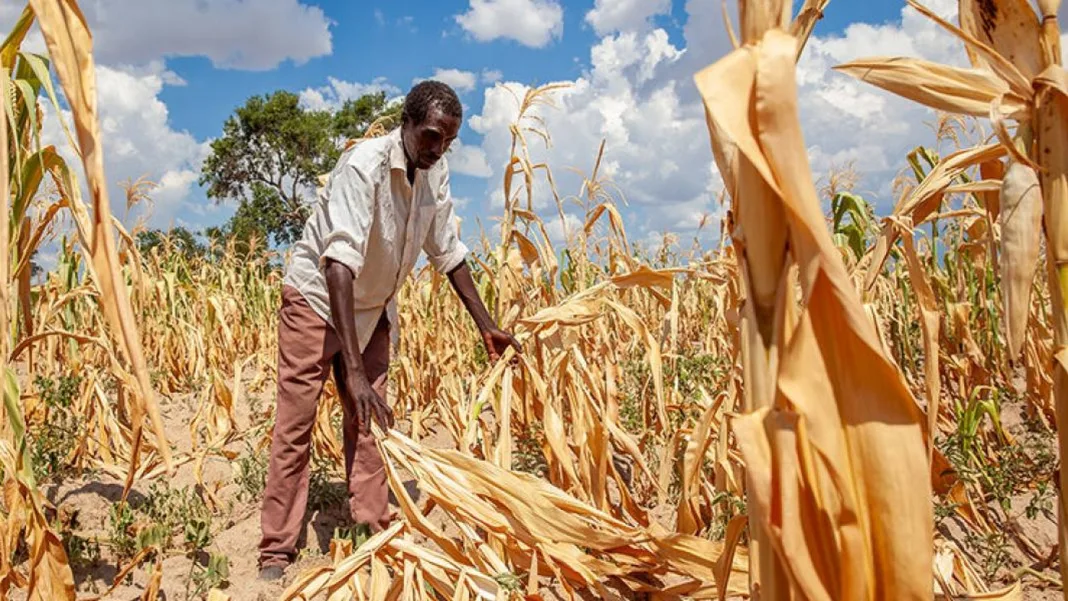
Civil society organisations and agriculturalists have faulted the Malawi government's plan to purchase maize as its primary strategy for preparing for Super El Niño-induced hunger. They argue the approach is too narrow and fails to address long-term food security needs. According to a report by the Famine Early Warning Systems Network, an estimated 1.5 million to 1.99 million Malawians are expected to face hunger during the October 2026 to January 2027 lean season. This is roughly half of the four million who required food assistance in the previous season. The government recently announced it would redirect funds meant for Independence Day celebrations to purchase maize. But experts say this falls short of what is needed. Elizabeth Mnenula Namaona, National Director of the Civil Society Agriculture Network (Cisanet), said that while buying maize is not a bad idea, it is insufficient. 'Food security is beyond maize purchase because there are a lot of things that we need if we are to achieve food security,' she said, calling for investments in diverse crops and irrigation. Agriculture policy analyst Leonard Chimwaza echoed her concerns, noting that the farming season has not yet started, leaving time for more effective preparation. 'That money should have been channelled towards irrigation because the El Niño-induced hunger will be next year and we have time to prepare,' Chimwaza said. Article source: times.mw | Image credit: Africa Renewal – Welcome to the United Nations
Civil society organisations and agriculturalists have faulted the Malawi government’s plan to purchase maize as its primary strategy for preparing for Super El Niño-induced hunger. They argue the approach is too narrow and fails to address long-term food security needs.
According to a report by the Famine Early Warning Systems Network, an estimated 1.5 million to 1.99 million Malawians are expected to face hunger during the October 2026 to January 2027 lean season. This is roughly half of the four million who required food assistance in the previous season.
The government recently announced it would redirect funds meant for Independence Day celebrations to purchase maize. But experts say this falls short of what is needed.
Elizabeth Mnenula Namaona, National Director of the Civil Society Agriculture Network (Cisanet), said that while buying maize is not a bad idea, it is insufficient. ‘Food security is beyond maize purchase because there are a lot of things that we need if we are to achieve food security,’ she said, calling for investments in diverse crops and irrigation.
Agriculture policy analyst Leonard Chimwaza echoed her concerns, noting that the farming season has not yet started, leaving time for more effective preparation. ‘That money should have been channelled towards irrigation because the El Niño-induced hunger will be next year and we have time to prepare,’ Chimwaza said.
News Desk is the editorial publishing account for Tringlobe Media News, covering breaking news, public affairs, entertainment, community developments and regional stories across Trinidad and Tobago, the Caribbean and internationally.