The key points are temporarily unavailable. You can still read the full Story below.
Main Points
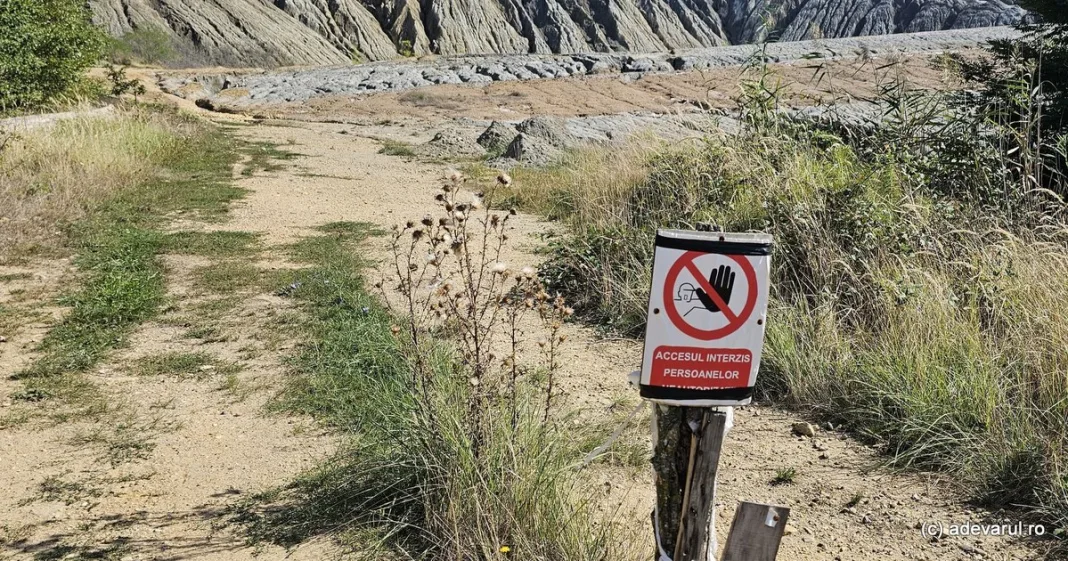
55th anniversary of the Certej mine disaster On 30 October 2026 the village of Certej in Hunedoara County marks 55 years since the most serious mining accident in Romania during the 20th century. The tailings dam of the Certej mine failed in the early morning, releasing 250 000–300 000 m³ of waste material and killing at least 89 residents. The disaster occurred at about 5:00 a.m. when the dam wall collapsed. The released slurry and water flooded a 4–5 km stretch of the community, destroying six workers’ housing blocks and damaging two more. According to Deputy Prosecutor Alexandru Oprean, the collapse was caused by the loss of stability of the tailings mass on one side of the dam, which had been overloaded beyond its critical height. The investigation, carried out by the Hunedoara County Prosecutor’s Office, closed after two years without assigning responsibility to any individual or to the mine’s management. The victims were mainly inhabitants of the workers’ blocks situated at the foot of the hill where the tailings pond had been built. Many were found in their homes, some still asleep. Search and rescue operations lasted several days; the first day 21 bodies were recovered and identified at the local cultural centre. The remains of most victims were buried in a communal grave in the village cemetery. The disaster occurred during a period of rapid industrial expansion in Romania, but also of frequent mining tragedies. The Certej mine had been operating since 1747, when the first gold deposit was discovered. By the 1970s the mine was producing a mix of gold, silver, copper, zinc, iron, magnesium and sulphur. The tailings pond had been in use from 1936–1942 and again from 1956 until the accident. Despite known risks, the mine continued to accumulate large amounts of tailings, and the 1966 winter freeze had prevented a large release at that time. After the disaster the village was rebuilt with a small residential complex of low‑comfort blocks. A new tailings pond was constructed further from the settlement. The site of the original pond is now covered by vegetation or used for new mining installations. Current mining developments In the 2000s geological surveys continued around the former Certej mine, covering almost 500 ha. The joint venture Deva Gold, a partnership between Eldorado Gold and the state company Minvest Deva, obtained a licence to exploit the gold‑silver deposits. Eldorado Gold later withdrew, and the majority stake was taken over by the investment fund Varvara Development Group (VARDEV). The new project, covering about 250 ha, plans to extract roughly 63.5 t of gold and 375 t of silver over 16 years, with a value estimated at nearly €2 billion. The company has stated that it will not use cyanide or produce wet tailings, in response to environmental objections that cited the potential deforestation of more than 160 ha of forest. Other mining accidents in Romania The Certej disaster is one of several major incidents that occurred during the communist era, when mining accidents were often underreported. Notable events include: 1953 – three deaths in Lupeni; 1955 – nine deaths; 1956 – two separate incidents with 12 and nine fatalities. 24 August 1961 – an explosion at Teliuc killed about ten people. 2 November 1972 – an explosion at Uricani mine killed more than 40. 29 November 1980 – two explosions at Livezeni mine in Petroșani killed 53 people and injured 77. Accidents at uranium mines in Băița Plai, Avram Iancu and Ciudanovița, where workers were exposed to radiation without adequate information. These incidents illustrate the hazardous conditions of Romanian mining during that period and the limited public disclosure of such tragedies. Legacy The Certej disaster remains a stark reminder of the risks associated with mining tailings management. While the village has rebuilt and new mining projects are underway, the memory of the 89 victims continues to be commemorated each year on 30 October. Article source: Adev&acaron;rul | Image credit: Adev&acaron;rul
55th anniversary of the Certej mine disaster On 30 October 2026 the village of Certej in Hunedoara County marks 55 years since the most serious mining accident in Romania during the 20th century. The tailings dam of the Certej mine failed in the early morning, releasing 250 000–300 000 m³ of waste material and killing at least 89 residents. The disaster occurred at about 5:00 a.m. when the dam wall collapsed. The released slurry and water flooded a 4–5 km stretch of the community, destroying six workers’ housing blocks and damaging two more. According to Deputy Prosecutor Alexandru Oprean, the collapse was caused by the loss of stability of the tailings mass on one side of the dam, which had been overloaded beyond its critical height. The investigation, carried out by the Hunedoara County Prosecutor’s Office, closed after two years without assigning responsibility to any individual or to the mine’s management. The victims were mainly inhabitants of the workers’ blocks situated at the foot of the hill where the tailings pond had been built. Many were found in their homes, some still asleep. Search and rescue operations lasted several days; the first day 21 bodies were recovered and identified at the local cultural centre. The remains of most victims were buried in a communal grave in the village cemetery. The disaster occurred during a period of rapid industrial expansion in Romania, but also of frequent mining tragedies. The Certej mine had been operating since 1747, when the first gold deposit was discovered. By the 1970s the mine was producing a mix of gold, silver, copper, zinc, iron, magnesium and sulphur. The tailings pond had been in use from 1936–1942 and again from 1956 until the accident. Despite known risks, the mine continued to accumulate large amounts of tailings, and the 1966 winter freeze had prevented a large release at that time. After the disaster the village was rebuilt with a small residential complex of low‑comfort blocks. A new tailings pond was constructed further from the settlement. The site of the original pond is now covered by vegetation or used for new mining installations. Current mining developments In the 2000s geological surveys continued around the former Certej mine, covering almost 500 ha. The joint venture Deva Gold, a partnership between Eldorado Gold and the state company Minvest Deva, obtained a licence to exploit the gold‑silver deposits. Eldorado Gold later withdrew, and the majority stake was taken over by the investment fund Varvara Development Group (VARDEV). The new project, covering about 250 ha, plans to extract roughly 63.5 t of gold and 375 t of silver over 16 years, with a value estimated at nearly €2 billion. The company has stated that it will not use cyanide or produce wet tailings, in response to environmental objections that cited the potential deforestation of more than 160 ha of forest. Other mining accidents in Romania The Certej disaster is one of several major incidents that occurred during the communist era, when mining accidents were often underreported. Notable events include: 1953 – three deaths in Lupeni; 1955 – nine deaths; 1956 – two separate incidents with 12 and nine fatalities. 24 August 1961 – an explosion at Teliuc killed about ten people. 2 November 1972 – an explosion at Uricani mine killed more than 40. 29 November 1980 – two explosions at Livezeni mine in Petroșani killed 53 people and injured 77. Accidents at uranium mines in Băița Plai, Avram Iancu and Ciudanovița, where workers were exposed to radiation without adequate information. These incidents illustrate the hazardous conditions of Romanian mining during that period and the limited public disclosure of such tragedies. Legacy The Certej disaster remains a stark reminder of the risks associated with mining tailings management. While the village has rebuilt and new mining projects are underway, the memory of the 89 victims continues to be commemorated each year on 30 October.
News Desk is the editorial publishing account for Tringlobe Media News, covering breaking news, public affairs, entertainment, community developments and regional stories across Trinidad and Tobago, the Caribbean and internationally.