The key points are temporarily unavailable. You can still read the full Story below.
Main Points
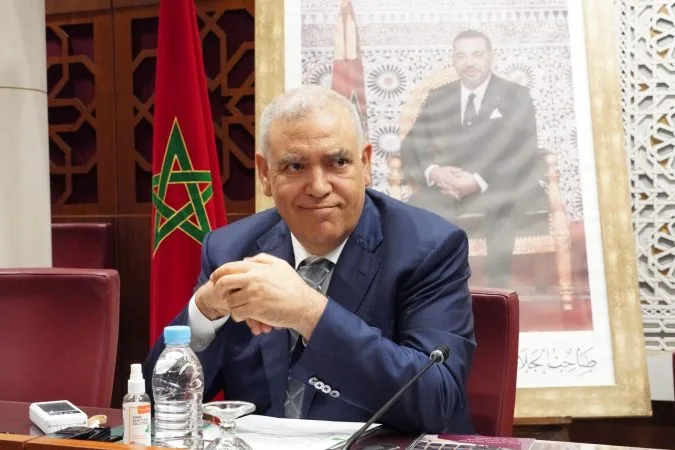
Interior Minister Abdul Wafi Lfatit outlined the key directions and procedures for the next generation of integrated territorial development programmes, following the King’s instructions issued in a royal decree on 29 July 2025. The minister confirmed that the programmes will be grounded in social and community justice, ensuring that all citizens benefit from development across the kingdom. During the presentation of the Ministry of Interior’s 2027 budget to the House of Representatives’ Interior Committee, Lfatit announced that the ministry has begun preparing the new programmes using a participatory approach. The approach involves coordination among various stakeholders and a comprehensive methodology that spans local, regional, provincial and national levels. A major financial adjustment was also announced: the maximum annual transfer from the state to provincial budgets will increase from 10 billion to 12 billion Moroccan dirhams, effective from 2027. This change is part of a broader amendment to the regulatory law governing provinces, aimed at strengthening their financial capacity and reinforcing their role as primary drivers of economic development. The minister highlighted additional regulatory reforms, including a re‑distribution of autonomous and shared competencies among provinces and the creation of joint‑stock companies chaired by provincial governors to replace regional agencies for project implementation. He said the institutional reforms would balance governance and public oversight with administrative flexibility and project‑execution effectiveness. Regarding the new territorial development programmes, Lfatit said the ministry adopted a wide‑scale participatory model that organized consultation campaigns across all regions of the kingdom. More than 86,000 citizens, elected officials and civil‑society representatives participated in listening and consultation sessions, which produced a preliminary list of development projects. The proposed projects focus on job creation, universal access to potable water, school rehabilitation, expansion of school transport, health centre development, and improvement of rural roads, all intended to enhance the attractiveness of targeted territorial areas and stimulate socio‑economic growth. The programmes are based on a territorial diagnosis that analyzes social and economic indicators to identify strengths and weaknesses in each area, ensuring that public interventions match the actual needs of residents. In terms of project governance, Lfatit explained that responsibilities are clearly distributed across territorial levels. Regional committees are tasked with programming and monitoring projects and consulting with local residents, while provincial committees gather and coordinate projects to ensure coherence. At the national level, a committee comprising relevant ministerial sectors, coordinated with the Prime Minister’s office, will approve programmes and establish monitoring and evaluation indicators to guarantee effective implementation and timely interventions. The ministry also announced the launch of a digital platform that will allow citizens and institutional stakeholders to access planning and programming information, monitor project progress, and enhance transparency and regular tracking of development programmes. Article source: Alyoum24 | Image credit: Alyoum24
Interior Minister Abdul Wafi Lfatit outlined the key directions and procedures for the next generation of integrated territorial development programmes, following the King’s instructions issued in a royal decree on 29 July 2025. The minister confirmed that the programmes will be grounded in social and community justice, ensuring that all citizens benefit from development across the kingdom. During the presentation of the Ministry of Interior’s 2027 budget to the House of Representatives’ Interior Committee, Lfatit announced that the ministry has begun preparing the new programmes using a participatory approach. The approach involves coordination among various stakeholders and a comprehensive methodology that spans local, regional, provincial and national levels. A major financial adjustment was also announced: the maximum annual transfer from the state to provincial budgets will increase from 10 billion to 12 billion Moroccan dirhams, effective from 2027. This change is part of a broader amendment to the regulatory law governing provinces, aimed at strengthening their financial capacity and reinforcing their role as primary drivers of economic development. The minister highlighted additional regulatory reforms, including a re‑distribution of autonomous and shared competencies among provinces and the creation of joint‑stock companies chaired by provincial governors to replace regional agencies for project implementation. He said the institutional reforms would balance governance and public oversight with administrative flexibility and project‑execution effectiveness. Regarding the new territorial development programmes, Lfatit said the ministry adopted a wide‑scale participatory model that organized consultation campaigns across all regions of the kingdom. More than 86,000 citizens, elected officials and civil‑society representatives participated in listening and consultation sessions, which produced a preliminary list of development projects. The proposed projects focus on job creation, universal access to potable water, school rehabilitation, expansion of school transport, health centre development, and improvement of rural roads, all intended to enhance the attractiveness of targeted territorial areas and stimulate socio‑economic growth. The programmes are based on a territorial diagnosis that analyzes social and economic indicators to identify strengths and weaknesses in each area, ensuring that public interventions match the actual needs of residents. In terms of project governance, Lfatit explained that responsibilities are clearly distributed across territorial levels. Regional committees are tasked with programming and monitoring projects and consulting with local residents, while provincial committees gather and coordinate projects to ensure coherence. At the national level, a committee comprising relevant ministerial sectors, coordinated with the Prime Minister’s office, will approve programmes and establish monitoring and evaluation indicators to guarantee effective implementation and timely interventions. The ministry also announced the launch of a digital platform that will allow citizens and institutional stakeholders to access planning and programming information, monitor project progress, and enhance transparency and regular tracking of development programmes.
News Desk is the editorial publishing account for Tringlobe Media News, covering breaking news, public affairs, entertainment, community developments and regional stories across Trinidad and Tobago, the Caribbean and internationally.