The key points are temporarily unavailable. You can still read the full Story below.
Main Points
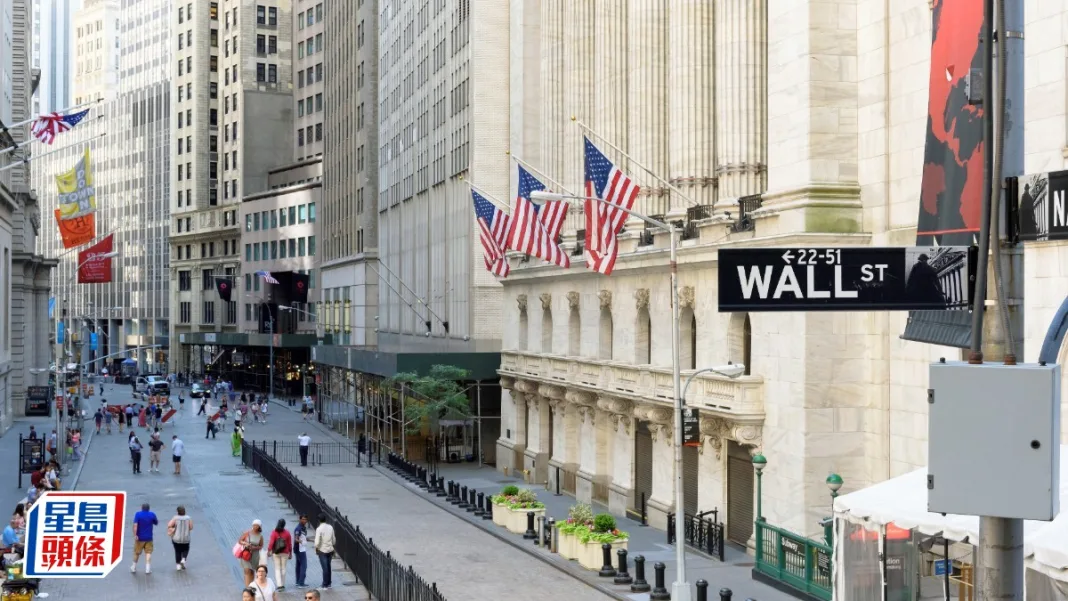
Tech stocks and AI‑related shares fell sharply in October, prompting several hedge funds to record losses and, in some cases, cut back on their equity trading teams. Walleye Capital, which manages roughly $17 billion in assets, posted a 5.9 % loss for October, its worst single‑month performance since March 2020. In a letter to investors, the firm announced that it would replace its head of long/short equity and reduce the size of its internal equity team. Walleye’s CEO and investment director said the company was reviewing “every layer” of its business and streamlining its long/short equity operations. He noted that the firm had invested heavily in the past few years to improve the business, including bringing in new leadership, but the resources and opportunity costs had outweighed the returns. By the end of October, Walleye had accumulated a cumulative loss of 6.8 % for the year. The firm indicated that it would return some capital to investors, although the amount and timing had not yet been determined. The letter emphasized that the changes did not signal a complete abandonment of equity investing. The remaining internal team would report directly to the CEO, and the firm would continue to invest in external‑managed selection funds and hire additional portfolio managers. Walleye also hired a former business‑development executive from Millennium to help identify external investment opportunities. Engineers Gate, a systematic hedge fund, also announced a reduction in its equity trading staff. The firm disclosed that it would eliminate most of its Synthesis equity team, including the team leader, and retain only five fundamental portfolio managers. An insider said that Engineers Gate had lost 5.5 % in October through the 23rd. The CEO cited a sharp reversal in AI and technology stocks, along with other market shocks, as the reason for the losses. The Synthesis strategy had not performed well enough to justify continuing the team in its current form. The firm also reduced capital or terminated a few investment portfolios. Other large funds reported similar declines. Millennium’s flagship multi‑strategy fund fell 2.3 % in October, Marshall Wace’s Eureka strategy dropped 5.4 %, and ExodusPoint and North Rock Capital declined 2.4 % and 2.3 %, respectively. Point72 and Schonfeld also recorded losses during the month. According to Goldman Sachs data, hedge funds net‑shorted about $20 billion of technology shares over a two‑week period, bringing short‑selling activity close to a five‑year high. The S&P 500 fell roughly 1 % in October, and large technology names such as Meta and Intel were heavily sold off, increasing volatility for equity‑selection teams. The October losses reported by these funds occurred before the sharp decline in technology stocks that began in November, prompting some institutions to adjust their teams and capital allocations after the earlier downturn. Article source: Sing Tao Electronic Daily | Image credit: Sing Tao Electronic Daily
Tech stocks and AI‑related shares fell sharply in October, prompting several hedge funds to record losses and, in some cases, cut back on their equity trading teams. Walleye Capital, which manages roughly $17 billion in assets, posted a 5.9 % loss for October, its worst single‑month performance since March 2020. In a letter to investors, the firm announced that it would replace its head of long/short equity and reduce the size of its internal equity team. Walleye’s CEO and investment director said the company was reviewing “every layer” of its business and streamlining its long/short equity operations. He noted that the firm had invested heavily in the past few years to improve the business, including bringing in new leadership, but the resources and opportunity costs had outweighed the returns. By the end of October, Walleye had accumulated a cumulative loss of 6.8 % for the year. The firm indicated that it would return some capital to investors, although the amount and timing had not yet been determined. The letter emphasized that the changes did not signal a complete abandonment of equity investing. The remaining internal team would report directly to the CEO, and the firm would continue to invest in external‑managed selection funds and hire additional portfolio managers. Walleye also hired a former business‑development executive from Millennium to help identify external investment opportunities. Engineers Gate, a systematic hedge fund, also announced a reduction in its equity trading staff. The firm disclosed that it would eliminate most of its Synthesis equity team, including the team leader, and retain only five fundamental portfolio managers. An insider said that Engineers Gate had lost 5.5 % in October through the 23rd. The CEO cited a sharp reversal in AI and technology stocks, along with other market shocks, as the reason for the losses. The Synthesis strategy had not performed well enough to justify continuing the team in its current form. The firm also reduced capital or terminated a few investment portfolios. Other large funds reported similar declines. Millennium’s flagship multi‑strategy fund fell 2.3 % in October, Marshall Wace’s Eureka strategy dropped 5.4 %, and ExodusPoint and North Rock Capital declined 2.4 % and 2.3 %, respectively. Point72 and Schonfeld also recorded losses during the month. According to Goldman Sachs data, hedge funds net‑shorted about $20 billion of technology shares over a two‑week period, bringing short‑selling activity close to a five‑year high. The S&P 500 fell roughly 1 % in October, and large technology names such as Meta and Intel were heavily sold off, increasing volatility for equity‑selection teams. The October losses reported by these funds occurred before the sharp decline in technology stocks that began in November, prompting some institutions to adjust their teams and capital allocations after the earlier downturn.
News Desk is the editorial publishing account for Tringlobe Media News, covering breaking news, public affairs, entertainment, community developments and regional stories across Trinidad and Tobago, the Caribbean and internationally.