The key points are temporarily unavailable. You can still read the full Story below.
Main Points
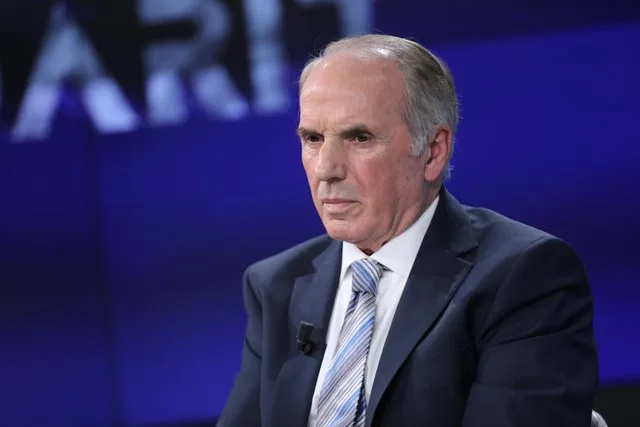
Preç Zogaj, an analyst, described the political situation in Serbia following the early elections as an extraordinary event for both the country and Europe. He said the developments require in‑depth study before definitive conclusions can be drawn about their nature and consequences. Zogaj highlighted that Serbia’s experience, together with that of Hungary, offers a lesson for Albania: “No autocracy can resist the will of the majority when citizens decide to change the government and the direction of the country.” He identified two essential conditions for political change. First, the existence of a credible alternative; without it, lasting change is impossible. Second, the functioning of a free and secret ballot, which he considered decisive in the Serbian case. Speaking about protests and political demands, Zogaj argued that when the goal is a change of government, citizens must know not only who is leaving power but also who will take its place. “The way a political force comes to power directly determines how it will govern,” he said. In his analysis of Albanian protests, he noted a lack of a clear leadership structure to represent, organize, and articulate the protesters’ voices. “It is not necessary for a leader to emerge immediately from the protests, but there must be a group of leaders or a head who can coordinate actions and build relationships with interest groups and other political and social actors,” Zogaj added. Article source: 24 Orë | Image credit: 24 Orë
Preç Zogaj, an analyst, described the political situation in Serbia following the early elections as an extraordinary event for both the country and Europe. He said the developments require in‑depth study before definitive conclusions can be drawn about their nature and consequences. Zogaj highlighted that Serbia’s experience, together with that of Hungary, offers a lesson for Albania: “No autocracy can resist the will of the majority when citizens decide to change the government and the direction of the country.” He identified two essential conditions for political change. First, the existence of a credible alternative; without it, lasting change is impossible. Second, the functioning of a free and secret ballot, which he considered decisive in the Serbian case. Speaking about protests and political demands, Zogaj argued that when the goal is a change of government, citizens must know not only who is leaving power but also who will take its place. “The way a political force comes to power directly determines how it will govern,” he said. In his analysis of Albanian protests, he noted a lack of a clear leadership structure to represent, organize, and articulate the protesters’ voices. “It is not necessary for a leader to emerge immediately from the protests, but there must be a group of leaders or a head who can coordinate actions and build relationships with interest groups and other political and social actors,” Zogaj added.
News Desk is the editorial publishing account for Tringlobe Media News, covering breaking news, public affairs, entertainment, community developments and regional stories across Trinidad and Tobago, the Caribbean and internationally.