The key points are temporarily unavailable. You can still read the full Story below.
Main Points
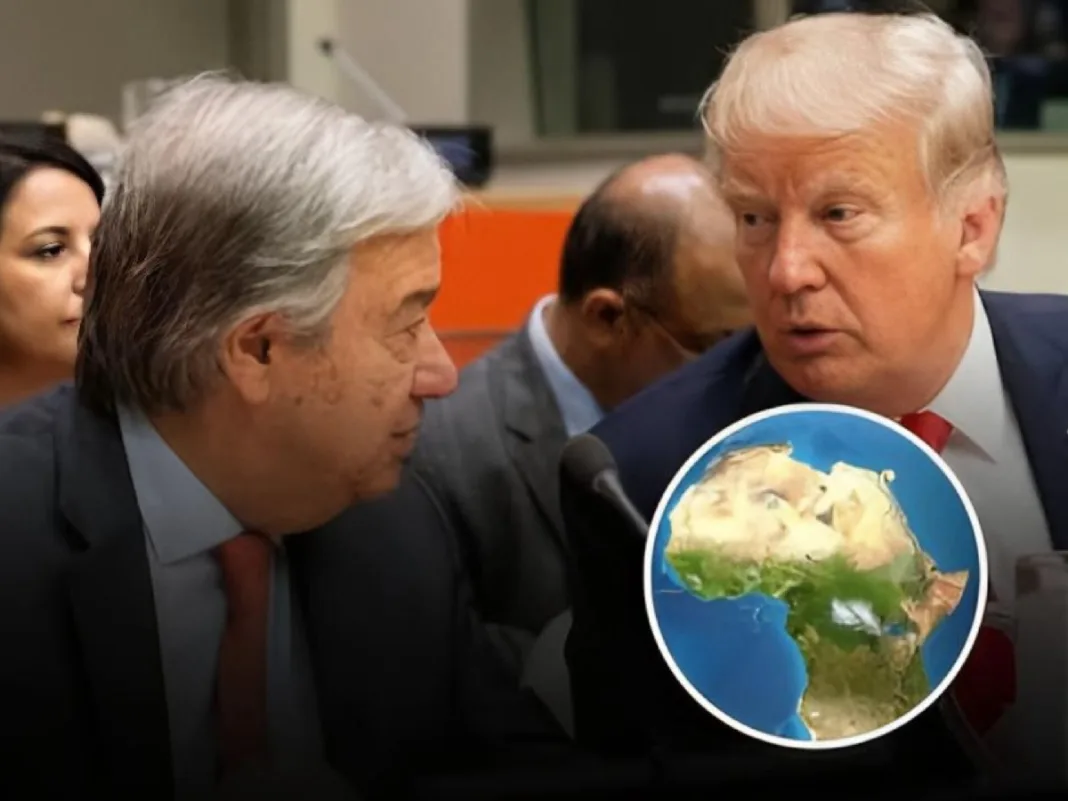
Why did the USA vote against the UN resolution to correct the world map? The United States stood alone at the United Nations on September 4, voting against a resolution aimed at encouraging the use of world maps that more accurately represent the relative sizes of Africa and other land masses. But why did Washington oppose it? The answer, according to the United States' own explanation before the vote, was not a dispute over Africa's actual geographic size. Instead, Washington objected to what it regarded as the political and ideological framing surrounding the "Correct the Map" initiative. The resolution encourages the use of the Equal Earth projection and other equal-area maps as alternatives to the centuries-old Mercator projection when accurately showing the relative sizes of countries and continents is important. However, US Deputy Representative to the UN Economic and Social Council Yaryna Ferencevych told the General Assembly that Washington believed the issue had been turned into something much broader than cartography. The United States objected particularly to the concept of "cognitive justice" associated with the initiative and its connections to discussions surrounding colonialism and reparations. Washington's position was that the General Assembly should not be using its time and resources to advance what the US described as an ideological agenda through a debate over a map projection. Ferencevych argued that the United Nations should instead concentrate on what Washington considers its core responsibilities, including maintaining international peace and security and promoting prosperity and peaceful relations among states. The US representative strongly criticised the resolution, arguing that initiatives of this nature were damaging the credibility of the United Nations. Washington therefore voted against the entire resolution rather than supporting its cartographic objective while distancing itself from the political language surrounding it. That distinction is important. The US did not argue that the Mercator projection accurately represents the relative sizes of continents. Nor did it claim that Africa is smaller than its actual area. Its objection was to the reasoning and political framework being used to justify changing how maps are presented. In Washington's view, what could have been a technical discussion about choosing a more appropriate map projection had instead become connected to a larger argument about historical injustice, colonial influence and reparative thinking. Supporters of the resolution fundamentally disagree with that assessment. They argue that repeatedly presenting distorted maps can influence how generations perceive the relative importance and scale of different parts of the world, particularly Africa. But the United States did not accept that correcting those perceptions needed to be framed as a matter of "cognitive justice" within the UN system. That disagreement ultimately explains why Washington took the extraordinary position of voting against a measure supported by almost the entire General Assembly. The final vote was 164 countries in favour, six abstentions and just one against. That single "no" vote came from the United States. So while the controversy centres visually on the size of Africa on a world map, the American objection was ultimately much broader. Washington was rejecting what it saw as the politics behind the resolution, not disputing the mathematics showing that the Mercator projection distorts the relative size of Africa. For the United States, the question was not whether maps can represent Africa more accurately. It was whether correcting those maps should be presented by the United Nations as part of a wider effort to address colonial-era perceptions and historical injustice. On September 4, Washington's answer to that question was no.
Why did the USA vote against the UN resolution to correct the world map?
The United States stood alone at the United Nations on September 4, voting against a resolution aimed at encouraging the use of world maps that more accurately represent the relative sizes of Africa and other land masses.
But why did Washington oppose it?
The answer, according to the United States’ own explanation before the vote, was not a dispute over Africa’s actual geographic size.
Instead, Washington objected to what it regarded as the political and ideological framing surrounding the “Correct the Map” initiative.
The resolution encourages the use of the Equal Earth projection and other equal-area maps as alternatives to the centuries-old Mercator projection when accurately showing the relative sizes of countries and continents is important.
However, US Deputy Representative to the UN Economic and Social Council Yaryna Ferencevych told the General Assembly that Washington believed the issue had been turned into something much broader than cartography.
The United States objected particularly to the concept of “cognitive justice” associated with the initiative and its connections to discussions surrounding colonialism and reparations.
Washington’s position was that the General Assembly should not be using its time and resources to advance what the US described as an ideological agenda through a debate over a map projection.
Ferencevych argued that the United Nations should instead concentrate on what Washington considers its core responsibilities, including maintaining international peace and security and promoting prosperity and peaceful relations among states.
The US representative strongly criticised the resolution, arguing that initiatives of this nature were damaging the credibility of the United Nations.
Washington therefore voted against the entire resolution rather than supporting its cartographic objective while distancing itself from the political language surrounding it.
That distinction is important.
The US did not argue that the Mercator projection accurately represents the relative sizes of continents. Nor did it claim that Africa is smaller than its actual area.
Its objection was to the reasoning and political framework being used to justify changing how maps are presented.
In Washington’s view, what could have been a technical discussion about choosing a more appropriate map projection had instead become connected to a larger argument about historical injustice, colonial influence and reparative thinking.
Supporters of the resolution fundamentally disagree with that assessment.
They argue that repeatedly presenting distorted maps can influence how generations perceive the relative importance and scale of different parts of the world, particularly Africa.
But the United States did not accept that correcting those perceptions needed to be framed as a matter of “cognitive justice” within the UN system.
That disagreement ultimately explains why Washington took the extraordinary position of voting against a measure supported by almost the entire General Assembly.
The final vote was 164 countries in favour, six abstentions and just one against.
That single “no” vote came from the United States.
So while the controversy centres visually on the size of Africa on a world map, the American objection was ultimately much broader.
Washington was rejecting what it saw as the politics behind the resolution, not disputing the mathematics showing that the Mercator projection distorts the relative size of Africa.
For the United States, the question was not whether maps can represent Africa more accurately.
It was whether correcting those maps should be presented by the United Nations as part of a wider effort to address colonial-era perceptions and historical injustice.
On September 4, Washington’s answer to that question was no.
News Desk is the editorial publishing account for Tringlobe Media News, covering breaking news, public affairs, entertainment, community developments and regional stories across Trinidad and Tobago, the Caribbean and internationally.