The key points are temporarily unavailable. You can still read the full Story below.
Main Points
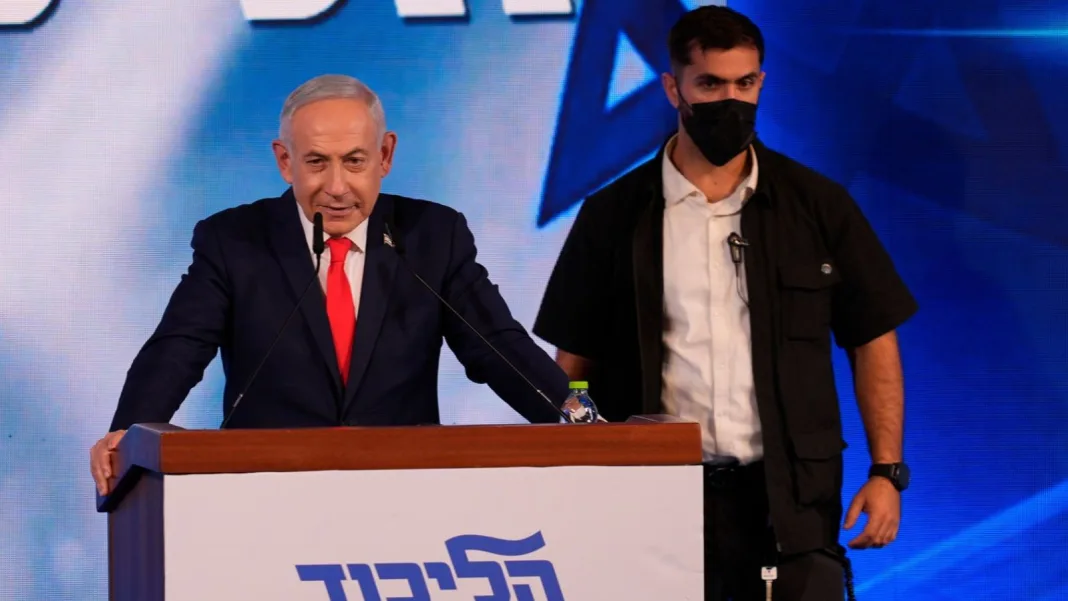
Israel’s 2026 general election has resulted in a political deadlock, with no single party or bloc securing the 61-seat majority required to form a government in the 120-seat Knesset. The outcome has been significantly influenced by the performance of Arab-led parties, which secured a combined 19 seats—11 for the Joint List and eight for Ra’am—following a record voter turnout. Prime Minister Benjamin Netanyahu and his Likud party have challenged the results, alleging that the surge in Arab voter participation was the product of foreign funding, bribery, and electoral fraud. On October 29, Netanyahu characterized the situation as an "earthquake" and labeled it "Ra’amgate," claiming on social media that foreign forces were attempting to undermine right-wing governance. Likud officials have alleged that the campaigns were financed by entities in Qatar and Turkey, though Qatar has denied any involvement. Netanyahu has called for investigations by the Israel Police and the Shin Bet, the country’s internal security agency, citing reports of voter intimidation and multiple voting. Israeli authorities and election officials have stated that there is currently no evidence to support these allegations. Dean Livne, acting head of the Central Election Committee, stated that the committee had received "claims rather than evidence," noting that the election day saw fewer irregularities than previous cycles. While Supreme Court Justice Noam Sohlberg, chair of the Central Election Committee, has requested that the Shin Bet conduct an inquiry into potential foreign funding, Shin Bet chief David Zini maintained on election day that the voting process was secure and properly supervised. The political impasse stems from the current seat distribution: partial counts indicate Netanyahu’s bloc holds 53 seats, while the bloc led by his primary rival, Gadi Eisenkot, holds 48. With the Arab-led parties holding 19 seats, they have emerged as potential kingmakers. However, forming a coalition remains complex, as many Zionist opposition parties have historically pledged not to partner with Arab parties, and opposition leaders remain divided on whether to include them in a formal coalition or seek their support from the outside. Analysts and rights groups have suggested that Likud’s focus on the Arab vote may be a strategic effort to diminish the political influence of the Arab minority, which accounts for approximately 20 percent of Israel's population. Adalah, a legal rights organization, reported that polling stations in Arab communities faced systematic delays on election day. The Central Election Committee is expected to release final results by November 4. Following the certification, President Isaac Herzog is scheduled to consult with party leaders before tasking a lawmaker with the mandate to form a government. Article source: Indian Express | Image credit: Indian Express
Israel’s 2026 general election has resulted in a political deadlock, with no single party or bloc securing the 61-seat majority required to form a government in the 120-seat Knesset. The outcome has been significantly influenced by the performance of Arab-led parties, which secured a combined 19 seats—11 for the Joint List and eight for Ra’am—following a record voter turnout. Prime Minister Benjamin Netanyahu and his Likud party have challenged the results, alleging that the surge in Arab voter participation was the product of foreign funding, bribery, and electoral fraud. On October 29, Netanyahu characterized the situation as an “earthquake” and labeled it “Ra’amgate,” claiming on social media that foreign forces were attempting to undermine right-wing governance. Likud officials have alleged that the campaigns were financed by entities in Qatar and Turkey, though Qatar has denied any involvement. Netanyahu has called for investigations by the Israel Police and the Shin Bet, the country’s internal security agency, citing reports of voter intimidation and multiple voting. Israeli authorities and election officials have stated that there is currently no evidence to support these allegations. Dean Livne, acting head of the Central Election Committee, stated that the committee had received “claims rather than evidence,” noting that the election day saw fewer irregularities than previous cycles. While Supreme Court Justice Noam Sohlberg, chair of the Central Election Committee, has requested that the Shin Bet conduct an inquiry into potential foreign funding, Shin Bet chief David Zini maintained on election day that the voting process was secure and properly supervised. The political impasse stems from the current seat distribution: partial counts indicate Netanyahu’s bloc holds 53 seats, while the bloc led by his primary rival, Gadi Eisenkot, holds 48. With the Arab-led parties holding 19 seats, they have emerged as potential kingmakers. However, forming a coalition remains complex, as many Zionist opposition parties have historically pledged not to partner with Arab parties, and opposition leaders remain divided on whether to include them in a formal coalition or seek their support from the outside. Analysts and rights groups have suggested that Likud’s focus on the Arab vote may be a strategic effort to diminish the political influence of the Arab minority, which accounts for approximately 20 percent of Israel’s population. Adalah, a legal rights organization, reported that polling stations in Arab communities faced systematic delays on election day. The Central Election Committee is expected to release final results by November 4. Following the certification, President Isaac Herzog is scheduled to consult with party leaders before tasking a lawmaker with the mandate to form a government.
News Desk is the editorial publishing account for Tringlobe Media News, covering breaking news, public affairs, entertainment, community developments and regional stories across Trinidad and Tobago, the Caribbean and internationally.