The key points are temporarily unavailable. You can still read the full Story below.
Main Points
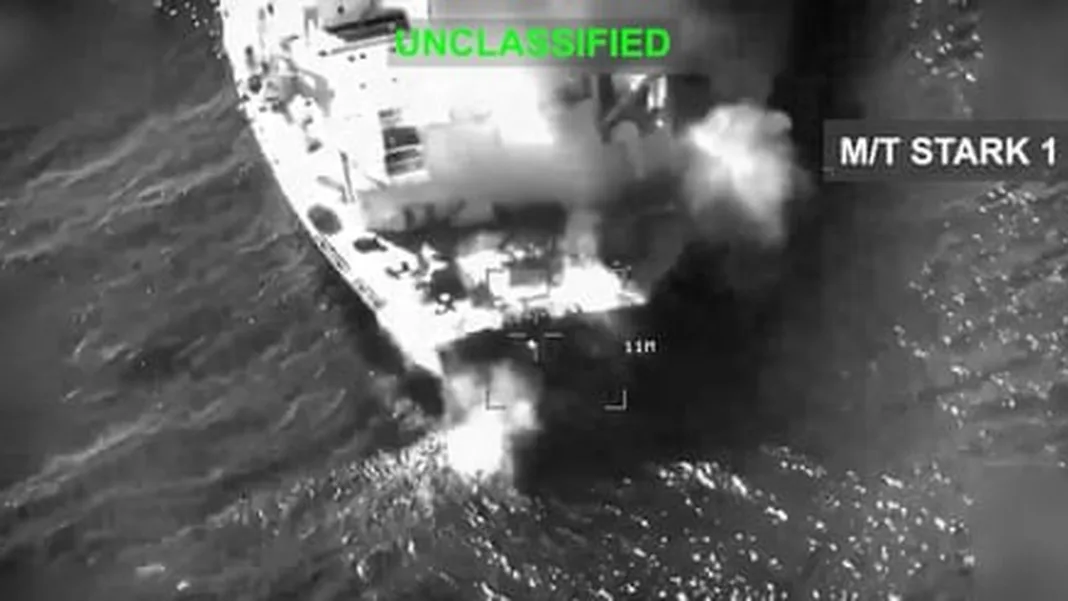
**U.S. Forces Strike Three Iranian Tankers Following Missile Attack on Navy Ships** **DUBAI, U.A.E.** — U.S. forces conducted military strikes against three Iranian oil tankers on September 5, including one vessel located near Kharg Island, a critical hub for Iran’s oil exports. The U.S. Central Command stated that the strikes were a retaliatory measure following an attack by Iran’s Islamic Revolutionary Guard Corps (IRGC), which allegedly fired ballistic missiles at two U.S. Navy ships. According to the U.S. military, the operation was intended to impose significant economic costs on Iran in response to the targeting of American vessels. Admiral Brad Cooper, head of U.S. Central Command, issued a warning regarding further escalations. "Let the message to the IRGC be clear: If you shoot at two of our ships, we will impose an even higher economic cost — taking out three of yours," Cooper said. The Iranian semi-official news agency Tasnim reported that four U.S. missiles struck a tanker near the anchorage at Kharg Island. Local sources cited by the agency indicated that the crew was being evacuated and no injuries were reported. Central Command confirmed that no U.S. military personnel were injured during the exchange. As of September 6, Iranian authorities had not issued an official statement regarding the strikes. The incident marks a significant escalation in a conflict that has persisted for several months, following initial U.S. military strikes against Iran in February. The ongoing hostilities have disrupted global energy supplies and intensified political pressure within the United States ahead of the November congressional elections. Kharg Island remains a focal point of the confrontation due to its role in Iran’s oil infrastructure. Prior to the conflict, the island handled approximately 90 percent of Iran’s crude oil exports. Shipments have been heavily restricted since the implementation of a U.S. naval blockade in mid-April, which followed Iran’s closure of the Strait of Hormuz. The geopolitical tension has impacted global markets, with Brent crude futures closing at $96.28 per barrel on September 5, the highest price since July 24. Market analysts attribute the rise to concerns that continued fighting could further destabilize global oil shipments. The current hostilities follow a period of fluctuating diplomatic efforts, including an interim agreement signed on June 17 aimed at de-escalating the conflict. However, tensions have remained high, exacerbated by public rhetoric from U.S. leadership regarding the status of Kharg Island and the broader naval blockade. Article source: iranherald.com | Image credit: The Guardian
**U.S. Forces Strike Three Iranian Tankers Following Missile Attack on Navy Ships**
**DUBAI, U.A.E.** — U.S. forces conducted military strikes against three Iranian oil tankers on September 5, including one vessel located near Kharg Island, a critical hub for Iran’s oil exports.
The U.S. Central Command stated that the strikes were a retaliatory measure following an attack by Iran’s Islamic Revolutionary Guard Corps (IRGC), which allegedly fired ballistic missiles at two U.S. Navy ships. According to the U.S. military, the operation was intended to impose significant economic costs on Iran in response to the targeting of American vessels.
Admiral Brad Cooper, head of U.S. Central Command, issued a warning regarding further escalations. “Let the message to the IRGC be clear: If you shoot at two of our ships, we will impose an even higher economic cost — taking out three of yours,” Cooper said.
The Iranian semi-official news agency Tasnim reported that four U.S. missiles struck a tanker near the anchorage at Kharg Island. Local sources cited by the agency indicated that the crew was being evacuated and no injuries were reported. Central Command confirmed that no U.S. military personnel were injured during the exchange. As of September 6, Iranian authorities had not issued an official statement regarding the strikes.
The incident marks a significant escalation in a conflict that has persisted for several months, following initial U.S. military strikes against Iran in February. The ongoing hostilities have disrupted global energy supplies and intensified political pressure within the United States ahead of the November congressional elections.
Kharg Island remains a focal point of the confrontation due to its role in Iran’s oil infrastructure. Prior to the conflict, the island handled approximately 90 percent of Iran’s crude oil exports. Shipments have been heavily restricted since the implementation of a U.S. naval blockade in mid-April, which followed Iran’s closure of the Strait of Hormuz.
The geopolitical tension has impacted global markets, with Brent crude futures closing at $96.28 per barrel on September 5, the highest price since July 24. Market analysts attribute the rise to concerns that continued fighting could further destabilize global oil shipments.
The current hostilities follow a period of fluctuating diplomatic efforts, including an interim agreement signed on June 17 aimed at de-escalating the conflict. However, tensions have remained high, exacerbated by public rhetoric from U.S. leadership regarding the status of Kharg Island and the broader naval blockade.
News Desk is the editorial publishing account for Tringlobe Media News, covering breaking news, public affairs, entertainment, community developments and regional stories across Trinidad and Tobago, the Caribbean and internationally.