The key points are temporarily unavailable. You can still read the full Story below.
Main Points
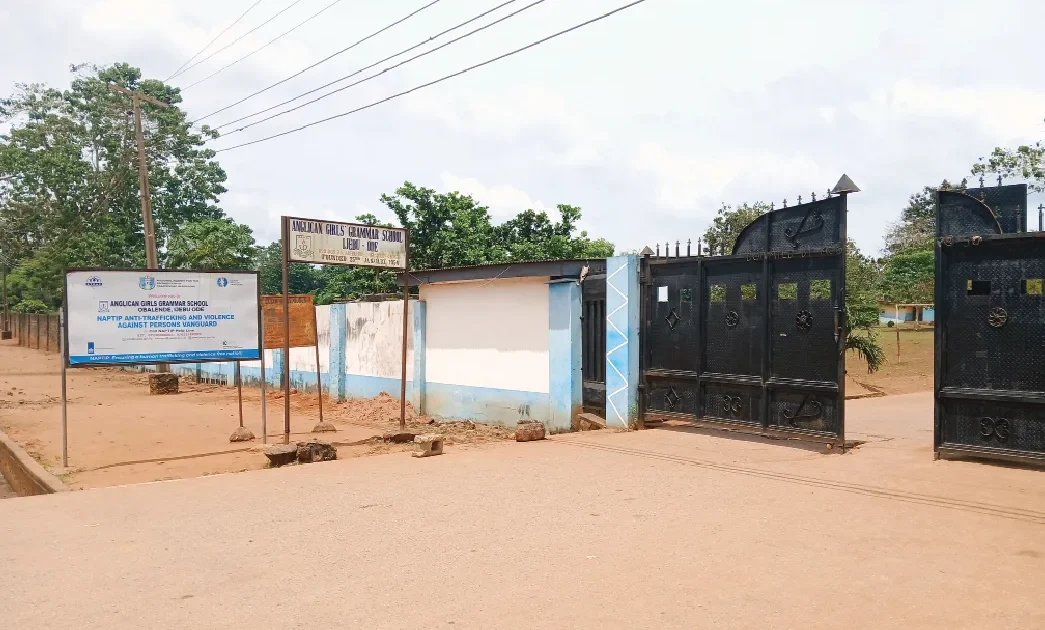
Methane‑like gas emissions cause repeated health incidents in Ogun State schools Ogun State, Nigeria – A series of gas‑emission incidents that have affected schools in Ijebu‑Ode, Ijebu‑Igbo and Ago‑Iwoye have prompted investigations by the state government and medical treatment for more than 300 students. The incidents, which began in April 2026, have been linked to methane and other gases detected by government‑installed analysers. ### Incidents and medical response – April 1, 2026 – At Our Lady of Apostles Secondary School in Epe Garage, Ijebu‑Ode, at least 30 students and one teacher were hospitalised after a “gaseous substance” spread across the premises. Several students collapsed, vomited and experienced breathing difficulties. The state Commissioner for Environment, Ola Oresanya, said the exact substance had not yet been identified, and the school was temporarily closed pending investigation. – May 15, 2026 – A gas emission at Anglican Girls Grammar School and Our Lady of Apostles Secondary School affected more than 100 students and teachers. Victims were taken to Ogun State Hospital in Ijebu‑Ode and private medical facilities. – June 3, 2026 – Another episode at Our Lady of Apostles Secondary School caused 69 students to be hospitalised. The state Commissioner for Health, Tomi Coker, confirmed that all 69 students had been discharged after receiving medical care. – Wednesday, October 2026 – The most recent incident involved students at Anglican Girls Grammar School, Ijebu‑Ode; Ijebu‑Igbo Girls Grammar School; and Itamerin Comprehensive High School in Ago‑Iwoye. Symptoms reported included fainting, shortness of breath, dizziness, nausea, headaches and abdominal pain. A hospital staff member at State Hospital, Ijebu‑Ode, said 95 students were treated and all were discharged the following day. The incidents have prompted temporary school closures and emergency medical attention. Students such as 15‑year‑old Praise, who was exposed on Wednesday, were admitted to hospital, received oxygen, and were discharged after a second visit the next day. ### Gas analysis and possible causes Commissioner Oresanya reported that government‑installed gas analysers detected methane in the affected areas. Methane is a biologically inert, non‑toxic gas that can cause asphyxiation by displacing oxygen in enclosed spaces. In confined or poorly ventilated areas, high concentrations of methane can reduce oxygen levels below 15–16 %, leading to hypoxia and symptoms such as headache, dizziness, nausea and respiratory arrest. Governor Dapo Abiodun said the state is working with the Nigerian Midstream and Downstream Petroleum Regulatory Authority and the Department of Geology at Olabisi Onabanjo University to determine the root cause. Preliminary findings suggest geological factors, possibly fault lines common to the locations, may be responsible for the emissions. ### Community and parental concerns Parents have expressed frustration over the recurring incidents. Mrs. Olorunye Idayat, mother of student Praise, said the gas exposure had occurred at least twice before and that her daughter had been taken to hospital on three separate occasions. She urged the government to find a lasting solution. The Secretary of the Ijebu‑Ode Parents Forum, Adetayo Adegbenro, noted that all affected children were treated free of charge but called for intensified efforts to prevent recurrence. He added that parents had been advised to ensure children eat before school and to use wet handkerchiefs to cover their noses if the odor is detected. Residents outside the schools have also reported the odor. A commercial motorcyclist, Niyi Adepegba, said the smell is noticeable daily but does not affect adults. A food seller, identified as “Mummy Ola,” noted that the odor can sometimes be detected in the market and called for government assistance. ### Government response Commissioner Oresanya said the state had warned residents that the phenomenon could recur and had put measures in place to respond to future incidents. He emphasized that the government would continue to monitor the situation and work with relevant authorities to identify the source and prevent further health risks. The incidents remain under investigation, and the state government has urged parents and students to remain vigilant and to seek medical attention promptly if symptoms appear. Article source: The Punch | Image credit: The Punch
Methane‑like gas emissions cause repeated health incidents in Ogun State schools Ogun State, Nigeria – A series of gas‑emission incidents that have affected schools in Ijebu‑Ode, Ijebu‑Igbo and Ago‑Iwoye have prompted investigations by the state government and medical treatment for more than 300 students. The incidents, which began in April 2026, have been linked to methane and other gases detected by government‑installed analysers. ### Incidents and medical response – April 1, 2026 – At Our Lady of Apostles Secondary School in Epe Garage, Ijebu‑Ode, at least 30 students and one teacher were hospitalised after a “gaseous substance” spread across the premises. Several students collapsed, vomited and experienced breathing difficulties. The state Commissioner for Environment, Ola Oresanya, said the exact substance had not yet been identified, and the school was temporarily closed pending investigation. – May 15, 2026 – A gas emission at Anglican Girls Grammar School and Our Lady of Apostles Secondary School affected more than 100 students and teachers. Victims were taken to Ogun State Hospital in Ijebu‑Ode and private medical facilities. – June 3, 2026 – Another episode at Our Lady of Apostles Secondary School caused 69 students to be hospitalised. The state Commissioner for Health, Tomi Coker, confirmed that all 69 students had been discharged after receiving medical care. – Wednesday, October 2026 – The most recent incident involved students at Anglican Girls Grammar School, Ijebu‑Ode; Ijebu‑Igbo Girls Grammar School; and Itamerin Comprehensive High School in Ago‑Iwoye. Symptoms reported included fainting, shortness of breath, dizziness, nausea, headaches and abdominal pain. A hospital staff member at State Hospital, Ijebu‑Ode, said 95 students were treated and all were discharged the following day. The incidents have prompted temporary school closures and emergency medical attention. Students such as 15‑year‑old Praise, who was exposed on Wednesday, were admitted to hospital, received oxygen, and were discharged after a second visit the next day. ### Gas analysis and possible causes Commissioner Oresanya reported that government‑installed gas analysers detected methane in the affected areas. Methane is a biologically inert, non‑toxic gas that can cause asphyxiation by displacing oxygen in enclosed spaces. In confined or poorly ventilated areas, high concentrations of methane can reduce oxygen levels below 15–16 %, leading to hypoxia and symptoms such as headache, dizziness, nausea and respiratory arrest. Governor Dapo Abiodun said the state is working with the Nigerian Midstream and Downstream Petroleum Regulatory Authority and the Department of Geology at Olabisi Onabanjo University to determine the root cause. Preliminary findings suggest geological factors, possibly fault lines common to the locations, may be responsible for the emissions. ### Community and parental concerns Parents have expressed frustration over the recurring incidents. Mrs. Olorunye Idayat, mother of student Praise, said the gas exposure had occurred at least twice before and that her daughter had been taken to hospital on three separate occasions. She urged the government to find a lasting solution. The Secretary of the Ijebu‑Ode Parents Forum, Adetayo Adegbenro, noted that all affected children were treated free of charge but called for intensified efforts to prevent recurrence. He added that parents had been advised to ensure children eat before school and to use wet handkerchiefs to cover their noses if the odor is detected. Residents outside the schools have also reported the odor. A commercial motorcyclist, Niyi Adepegba, said the smell is noticeable daily but does not affect adults. A food seller, identified as “Mummy Ola,” noted that the odor can sometimes be detected in the market and called for government assistance. ### Government response Commissioner Oresanya said the state had warned residents that the phenomenon could recur and had put measures in place to respond to future incidents. He emphasized that the government would continue to monitor the situation and work with relevant authorities to identify the source and prevent further health risks. The incidents remain under investigation, and the state government has urged parents and students to remain vigilant and to seek medical attention promptly if symptoms appear.
News Desk is the editorial publishing account for Tringlobe Media News, covering breaking news, public affairs, entertainment, community developments and regional stories across Trinidad and Tobago, the Caribbean and internationally.