The key points are temporarily unavailable. You can still read the full Story below.
Main Points
Tensions between the United States and Iran have escalated, raising serious concerns over the security of the Strait of Hormuz, a key oil transit route. Reports indicate that negotiations between the two nations have stalled, prompting fears that the U.S., possibly in coordination with NATO, might take measures to restrict maritime activities in this vital waterway. Meanwhile, Iran is reportedly tightening its grip on access to the strait, allowing only selected vessels to pass. The Strait of Hormuz is crucial for global oil shipments, with a significant portion of the world's petroleum passing through it daily. Analysts believe that any disruption in navigation could have immediate and severe implications for global energy markets. Speculation suggests a growing standoff where both the U.S. and Iran might attempt to limit each other's oil transport capabilities. Market experts have long warned that even minor military incidents in or around the strait could lead to a surge in global oil prices and increased shipping insurance costs, ultimately disrupting supply chains. This anxiety is compounded by broader geopolitical tensions involving significant players like China, which heavily relies on energy imports passing through the region. Despite the rising rhetoric and speculation, there is currently no confirmed evidence of a blockade or formal military escalation. Nonetheless, the potential for disruption in the Strait of Hormuz is being closely monitored by governments and energy markets worldwide, underscoring its critical role in global oil security. Join the Trinidad and Tobago WhatsApp update groups: Tringlobe Media news 1Tringlobe Media ShareTringlobe Chat news groupTringlobe Media news 2Tringlobe media news 3Tringlobe Media Weather updatesTringlobe PoliticsTringlobe SportsTringlobe articles newsfeedTringlobe buy sell tradeTringlobe Media 4Tringlobe Media Official ChannelTringlobe media Traffic
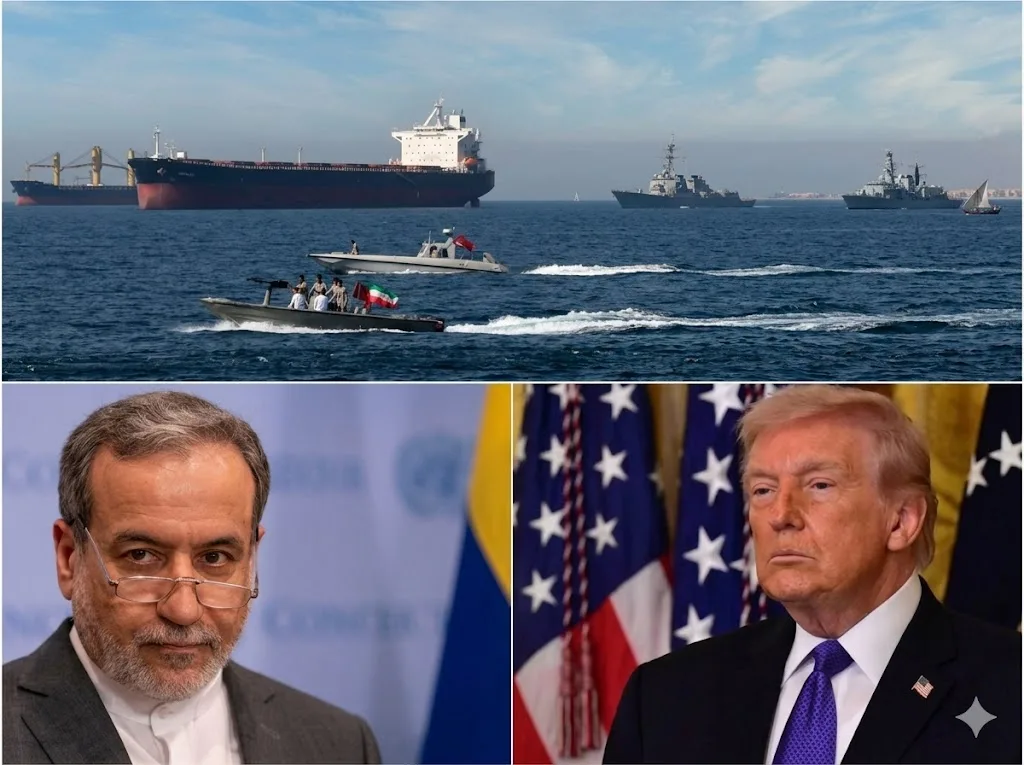
Tensions between the United States and Iran have escalated, raising serious concerns over the security of the Strait of Hormuz, a key oil transit route. Reports indicate that negotiations between the two nations have stalled, prompting fears that the U.S., possibly in coordination with NATO, might take measures to restrict maritime activities in this vital waterway. Meanwhile, Iran is reportedly tightening its grip on access to the strait, allowing only selected vessels to pass.
The Strait of Hormuz is crucial for global oil shipments, with a significant portion of the world’s petroleum passing through it daily. Analysts believe that any disruption in navigation could have immediate and severe implications for global energy markets. Speculation suggests a growing standoff where both the U.S. and Iran might attempt to limit each other’s oil transport capabilities.
Market experts have long warned that even minor military incidents in or around the strait could lead to a surge in global oil prices and increased shipping insurance costs, ultimately disrupting supply chains. This anxiety is compounded by broader geopolitical tensions involving significant players like China, which heavily relies on energy imports passing through the region.
Despite the rising rhetoric and speculation, there is currently no confirmed evidence of a blockade or formal military escalation. Nonetheless, the potential for disruption in the Strait of Hormuz is being closely monitored by governments and energy markets worldwide, underscoring its critical role in global oil security.
News Desk is the editorial publishing account for Tringlobe Media News, covering breaking news, public affairs, entertainment, community developments and regional stories across Trinidad and Tobago, the Caribbean and internationally.