The key points are temporarily unavailable. You can still read the full Story below.
Main Points
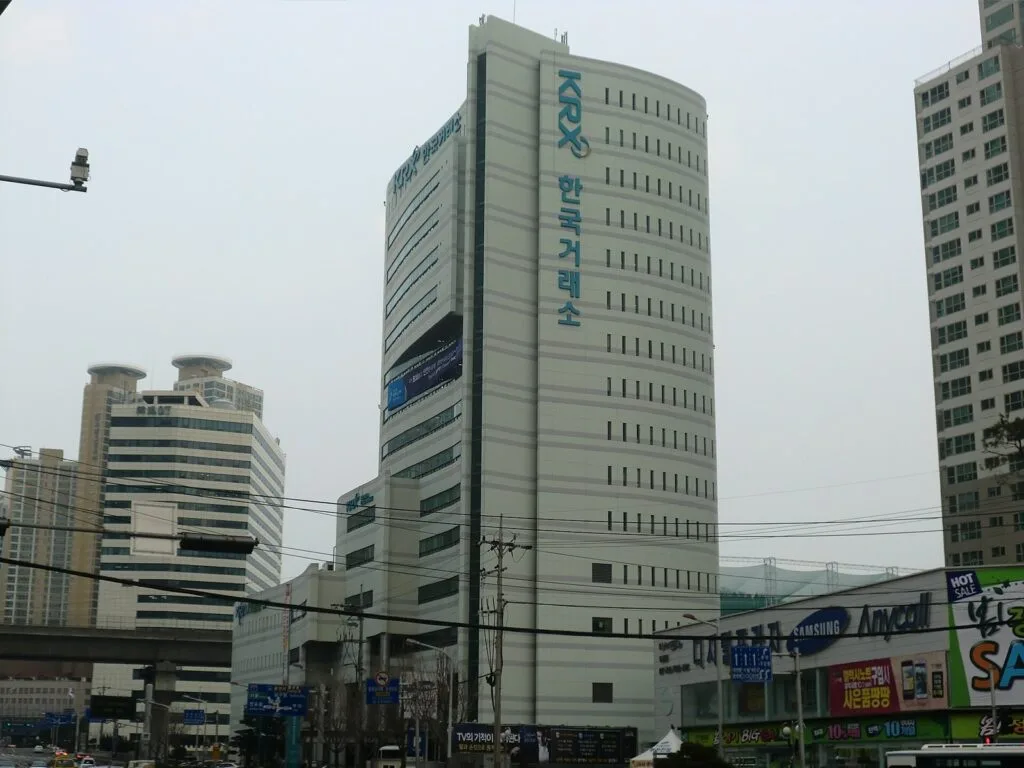
Asian technology markets fell sharply on Friday, following a steep decline in U.S. equities that began in April 2025. Reuters reported that concerns over tighter regulation and a slowdown in artificial‑intelligence (AI) expansion were driving the sell‑off, which spread from Wall Street to Asia and hit technology and chip stocks hardest. In Seoul, the KOSPI index dropped more than 8 %, triggering a circuit‑breaker. The Korean exchange halted trading for 20 minutes at 9:03 a.m. local time. The index fell below 5,000 points for the first time in nine months, closing at 4,923.47 points – an 8.6 % decline. After trading resumed, the index remained roughly 7 % lower. Japan’s Nikkei fell 6 %, while Taiwan’s market dropped over 8 %. Chipmakers were the most affected: Samsung Electronics fell about 10 %, SK Hynix fell 11.7 %, Kioxia fell 14 %, and Taiwan Semiconductor Manufacturing Company (TSMC) fell 8.5 %. SoftBank Group, a major AI investor, fell 11 %. European futures contracts for the index fell 1 % (Reuters). The sell‑off began the night before on Wall Street, when the Nasdaq Composite fell 5.5 % and roughly $3 trillion of market value was wiped from S&P 500 companies. The Philadelphia Semiconductor Index fell 12.2 %, and the Nasdaq has lost 12 % since its record close a month ago. Analysts say investors are awaiting the outcome of the U.S. midterm elections, which could influence future AI regulation. Saxo’s strategy team, led by Charu Chanana, noted a “panic element” in the market. Jun Kwang‑woo, director of the Global Economy Institute in Seoul, suggested that the reaction might be an over‑reaction to the election results and warned that the pace of AI infrastructure development, especially data centers, could slow slightly amid concerns in several U.S. states, including Texas. Article source: 24 Orë | Image credit: 24 Orë
Asian technology markets fell sharply on Friday, following a steep decline in U.S. equities that began in April 2025. Reuters reported that concerns over tighter regulation and a slowdown in artificial‑intelligence (AI) expansion were driving the sell‑off, which spread from Wall Street to Asia and hit technology and chip stocks hardest. In Seoul, the KOSPI index dropped more than 8 %, triggering a circuit‑breaker. The Korean exchange halted trading for 20 minutes at 9:03 a.m. local time. The index fell below 5,000 points for the first time in nine months, closing at 4,923.47 points – an 8.6 % decline. After trading resumed, the index remained roughly 7 % lower. Japan’s Nikkei fell 6 %, while Taiwan’s market dropped over 8 %. Chipmakers were the most affected: Samsung Electronics fell about 10 %, SK Hynix fell 11.7 %, Kioxia fell 14 %, and Taiwan Semiconductor Manufacturing Company (TSMC) fell 8.5 %. SoftBank Group, a major AI investor, fell 11 %. European futures contracts for the index fell 1 % (Reuters). The sell‑off began the night before on Wall Street, when the Nasdaq Composite fell 5.5 % and roughly $3 trillion of market value was wiped from S&P 500 companies. The Philadelphia Semiconductor Index fell 12.2 %, and the Nasdaq has lost 12 % since its record close a month ago. Analysts say investors are awaiting the outcome of the U.S. midterm elections, which could influence future AI regulation. Saxo’s strategy team, led by Charu Chanana, noted a “panic element” in the market. Jun Kwang‑woo, director of the Global Economy Institute in Seoul, suggested that the reaction might be an over‑reaction to the election results and warned that the pace of AI infrastructure development, especially data centers, could slow slightly amid concerns in several U.S. states, including Texas.
News Desk is the editorial publishing account for Tringlobe Media News, covering breaking news, public affairs, entertainment, community developments and regional stories across Trinidad and Tobago, the Caribbean and internationally.