The key points are temporarily unavailable. You can still read the full Story below.
Main Points
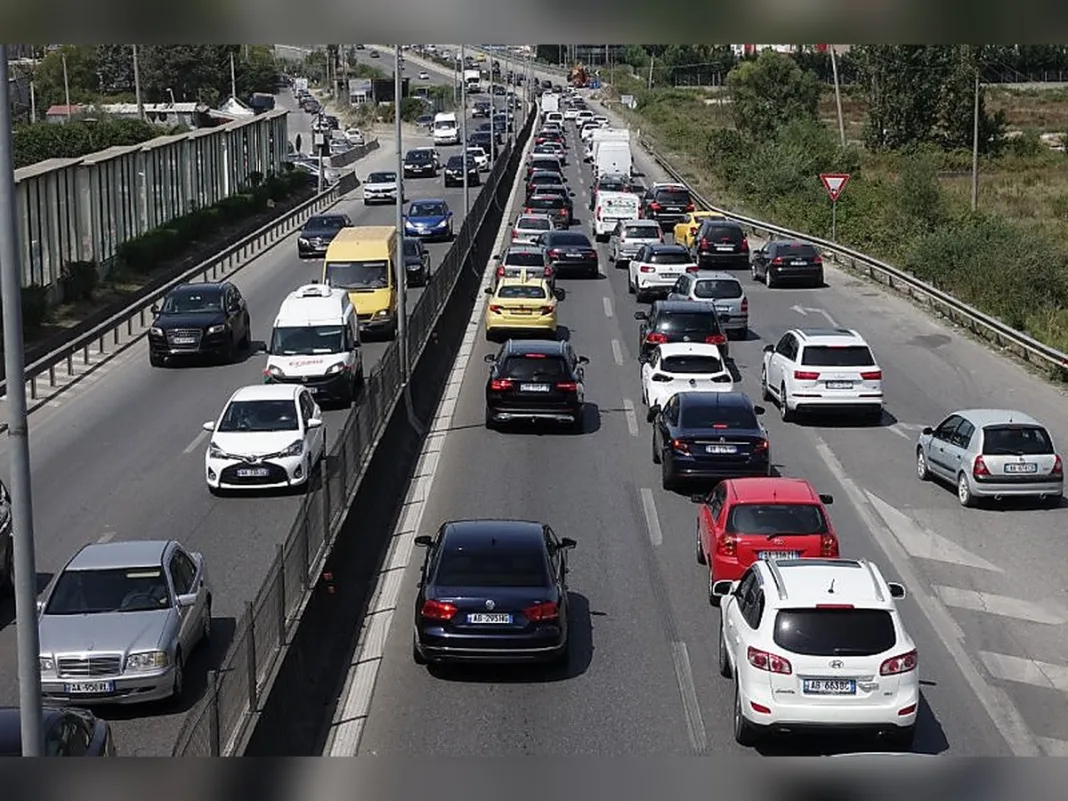
Albania’s acceptance of long commutes stems from a perfect storm of post-communist urban sprawl, car-centric planning, and economic realities that have left cities like Tirana with some of the worst traffic congestion in Europe. The problem traces back to the 1990s, when Albania’s rapid transition from a planned economy to a market one led to uncontrolled urbanisation. Unlike Western cities, Tirana’s expansion was not guided by zoning laws; instead, it followed a pattern of informal settlement, where apartment blocks sprang up without regard for proximity to jobs, schools, or public transport. Today, nearly 60% of Tirana’s workforce lives outside the city centre, often in satellite towns like Kavajë or Durrës, where housing is cheaper but commutes can exceed two hours each way. The dominance of cars in urban design is another key factor. Albania’s communist past left a legacy of wide, car-friendly boulevards in city centres, but these were never matched by adequate public transport. Even today, Tirana’s bus and minibus system is unreliable, with routes often dictated by private operators rather than municipal planning. The result? A car ownership rate that has surged from near-zero in the 1990s to over 300 cars per 1,000 people—one of the highest in the Balkans. Many Albanians view cars as a status symbol, a holdover from the communist era when private vehicles were rare, and now see public transport as a last resort. Economic pressures further entrench long commutes. Wages in Albania remain low, meaning many workers cannot afford to live closer to job hubs. The service sector, which employs over half the workforce, is concentrated in Tirana, while manufacturing and agriculture—key employers—are often located in peripheral areas with poor transport links. For example, workers in Tirana’s industrial zones (such as Rinas) may commute from as far as 50 kilometres away, spending up to four hours daily on the road. The lack of realistic alternatives is stark. Albania’s rail network is virtually non-existent outside a single line connecting Durrës to Tirana, and this service is often delayed or overcrowded. Cycling infrastructure is minimal, and walking is impractical in a city where sidewalks are frequently encroached upon by parked cars or informal vendors. Even Tirana’s recent pedestrianisation efforts have done little to reduce car dependency, as they apply mainly to the city centre—leaving peripheral neighbourhoods still dominated by traffic. Cultural attitudes also play a role. Many Albanians prioritise home ownership over proximity to work, viewing long commutes as a temporary sacrifice for a better quality of life. The phrase “Kjo është jetë” (This is life) is often heard in traffic jams, reflecting a resigned acceptance of the status quo. Yet the human cost is clear: studies link Tirana’s congestion to increased stress, lost productivity, and higher rates of air pollution-related illnesses. Without radical reforms—such as expanding public transport, enforcing zoning laws, or incentivising remote work—the cycle of long commutes is likely to persist.
Albania’s acceptance of long commutes stems from a perfect storm of post-communist urban sprawl, car-centric planning, and economic realities that have left cities like Tirana with some of the worst traffic congestion in Europe. The problem traces back to the 1990s, when Albania’s rapid transition from a planned economy to a market one led to uncontrolled urbanisation. Unlike Western cities, Tirana’s expansion was not guided by zoning laws; instead, it followed a pattern of informal settlement, where apartment blocks sprang up without regard for proximity to jobs, schools, or public transport. Today, nearly 60% of Tirana’s workforce lives outside the city centre, often in satellite towns like Kavajë or Durrës, where housing is cheaper but commutes can exceed two hours each way.
The dominance of cars in urban design is another key factor. Albania’s communist past left a legacy of wide, car-friendly boulevards in city centres, but these were never matched by adequate public transport. Even today, Tirana’s bus and minibus system is unreliable, with routes often dictated by private operators rather than municipal planning. The result? A car ownership rate that has surged from near-zero in the 1990s to over 300 cars per 1,000 people—one of the highest in the Balkans. Many Albanians view cars as a status symbol, a holdover from the communist era when private vehicles were rare, and now see public transport as a last resort.
Economic pressures further entrench long commutes. Wages in Albania remain low, meaning many workers cannot afford to live closer to job hubs. The service sector, which employs over half the workforce, is concentrated in Tirana, while manufacturing and agriculture—key employers—are often located in peripheral areas with poor transport links. For example, workers in Tirana’s industrial zones (such as Rinas) may commute from as far as 50 kilometres away, spending up to four hours daily on the road.
The lack of realistic alternatives is stark. Albania’s rail network is virtually non-existent outside a single line connecting Durrës to Tirana, and this service is often delayed or overcrowded. Cycling infrastructure is minimal, and walking is impractical in a city where sidewalks are frequently encroached upon by parked cars or informal vendors. Even Tirana’s recent pedestrianisation efforts have done little to reduce car dependency, as they apply mainly to the city centre—leaving peripheral neighbourhoods still dominated by traffic.
Cultural attitudes also play a role. Many Albanians prioritise home ownership over proximity to work, viewing long commutes as a temporary sacrifice for a better quality of life. The phrase “Kjo është jetë” (This is life) is often heard in traffic jams, reflecting a resigned acceptance of the status quo. Yet the human cost is clear: studies link Tirana’s congestion to increased stress, lost productivity, and higher rates of air pollution-related illnesses. Without radical reforms—such as expanding public transport, enforcing zoning laws, or incentivising remote work—the cycle of long commutes is likely to persist.
News Desk is the editorial publishing account for Tringlobe Media News, covering breaking news, public affairs, entertainment, community developments and regional stories across Trinidad and Tobago, the Caribbean and internationally.