The key points are temporarily unavailable. You can still read the full Story below.
Main Points
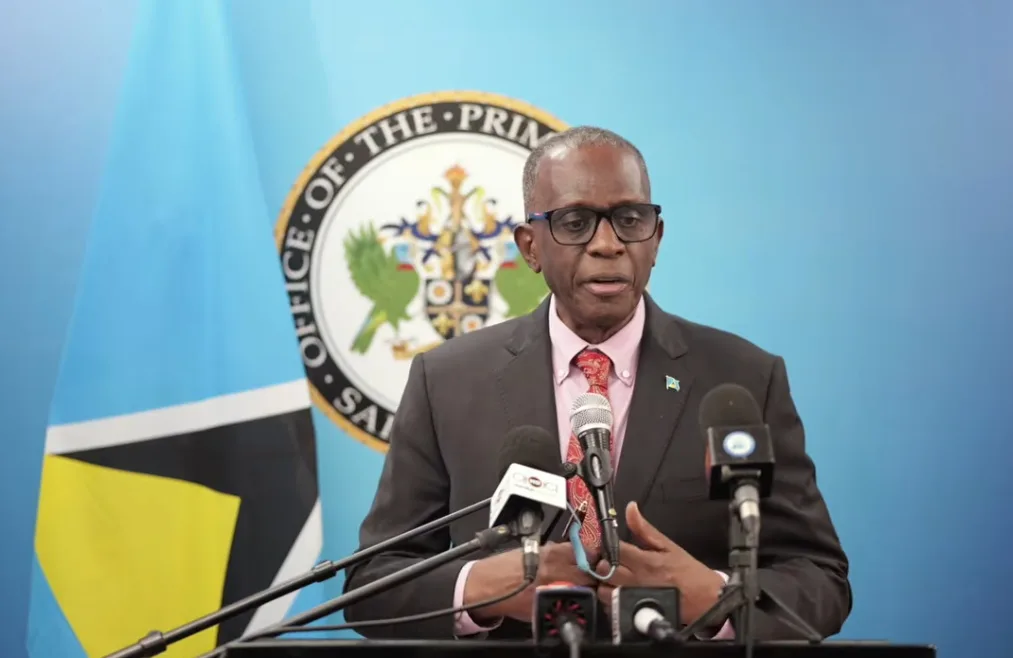
St. Lucia Responds to EU Concerns Over Citizenship‑by‑Investment Programme The government of St. Lucia announced on Monday that it has submitted a formal response to the European Union (EU) regarding the island’s Citizenship‑by‑Investment (CBI) programme, which the EU has urged to be discontinued by 1 June 2028. Prime Minister Phillip J. Pierre told reporters that the response had been sent to Brussels and that he would wait for the EU’s reply before commenting further on its contents. “The issue affects all countries that have CBI programmes. It’s not a St. Lucia problem,” Pierre said. He added that the EU had originally given the OECS member states until 31 October to declare whether they would continue their CBI programmes, but that deadline had been extended. St. Lucia now has until 12 November to decide. Deputy Prime Minister Dr. Ernest Hilaire led a delegation from the Organisation of Eastern Caribbean States (OECS) that met with EU officials in Brussels. “St. Lucia depends the least on CBI revenue,” Hilaire said. “We want the revenue, but St. Lucia was chosen to lead the delegation as far as discussions are concerned.” The EU’s deadline is part of a broader policy that could affect visa‑free access to the Schengen area for countries that maintain CBI programmes. In a separate development, Antigua and Barbuda’s Prime Minister Gaston Browne informed the EU that it intends to terminate its CBI programme, proposing a transition period that could extend to 2030. In a 30 October letter to EU Commissioner Magnus Brunner, Browne indicated that the island had chosen the third of three options offered by the EU: to close the programme with a longer transition period and to request support for managing the transition. Other OECS members that operate CBI programmes include Dominica, Grenada, St. Kitts and Nevis, and St. Lucia. Prime Minister Pierre said the St. Lucian government is prepared to work with the EU to find a solution. “We are not lying down and dying,” he said. “We’re working with them. I want the people of St. Lucia to trust the government. The government will always look toward the interests of the people of this country.” Regarding the use of CBI funds, Pierre noted that the programme generated $65 million (1 EC dollar = US$0.37) last year. He said the funds are allocated to a national economic fund, an infrastructure fund, an enterprise fund, and an excess cash reserve. “Most of the CBI funds have been used to improve security on the island,” he said. He added that the next budget statement would detail every cent spent on national security and health from the CBI programme’s excess cash. Pierre also claimed that opponents of his administration had attempted to mislead the public about the programme’s finances. “In the estimates, you will see it. Look in the estimates, non‑tax revenue, CBI, you’ll see what’s there,” he said, describing the alleged distortion as a political tactic. The EU’s stance on CBI programmes remains a point of negotiation for St. Lucia and its OECS partners as they balance economic benefits with European migration concerns. Article source: NOW Grenada | Image credit: NOW Grenada
St. Lucia Responds to EU Concerns Over Citizenship‑by‑Investment Programme The government of St. Lucia announced on Monday that it has submitted a formal response to the European Union (EU) regarding the island’s Citizenship‑by‑Investment (CBI) programme, which the EU has urged to be discontinued by 1 June 2028. Prime Minister Phillip J. Pierre told reporters that the response had been sent to Brussels and that he would wait for the EU’s reply before commenting further on its contents. “The issue affects all countries that have CBI programmes. It’s not a St. Lucia problem,” Pierre said. He added that the EU had originally given the OECS member states until 31 October to declare whether they would continue their CBI programmes, but that deadline had been extended. St. Lucia now has until 12 November to decide. Deputy Prime Minister Dr. Ernest Hilaire led a delegation from the Organisation of Eastern Caribbean States (OECS) that met with EU officials in Brussels. “St. Lucia depends the least on CBI revenue,” Hilaire said. “We want the revenue, but St. Lucia was chosen to lead the delegation as far as discussions are concerned.” The EU’s deadline is part of a broader policy that could affect visa‑free access to the Schengen area for countries that maintain CBI programmes. In a separate development, Antigua and Barbuda’s Prime Minister Gaston Browne informed the EU that it intends to terminate its CBI programme, proposing a transition period that could extend to 2030. In a 30 October letter to EU Commissioner Magnus Brunner, Browne indicated that the island had chosen the third of three options offered by the EU: to close the programme with a longer transition period and to request support for managing the transition. Other OECS members that operate CBI programmes include Dominica, Grenada, St. Kitts and Nevis, and St. Lucia. Prime Minister Pierre said the St. Lucian government is prepared to work with the EU to find a solution. “We are not lying down and dying,” he said. “We’re working with them. I want the people of St. Lucia to trust the government. The government will always look toward the interests of the people of this country.” Regarding the use of CBI funds, Pierre noted that the programme generated $65 million (1 EC dollar = US$0.37) last year. He said the funds are allocated to a national economic fund, an infrastructure fund, an enterprise fund, and an excess cash reserve. “Most of the CBI funds have been used to improve security on the island,” he said. He added that the next budget statement would detail every cent spent on national security and health from the CBI programme’s excess cash. Pierre also claimed that opponents of his administration had attempted to mislead the public about the programme’s finances. “In the estimates, you will see it. Look in the estimates, non‑tax revenue, CBI, you’ll see what’s there,” he said, describing the alleged distortion as a political tactic. The EU’s stance on CBI programmes remains a point of negotiation for St. Lucia and its OECS partners as they balance economic benefits with European migration concerns.
News Desk is the editorial publishing account for Tringlobe Media News, covering breaking news, public affairs, entertainment, community developments and regional stories across Trinidad and Tobago, the Caribbean and internationally.