The key points are temporarily unavailable. You can still read the full Story below.
Main Points
TIANJIN, China — Cherinjit Shori, a Singapore-based healthcare professional, reports that smart technologies have become deeply integrated into daily life in China, transforming routine tasks and medical services. Shori, who works for Perennial Holdings Private Limited, frequently travels to China to support international patient services and cross-border referral networks at the Perennial General Hospital in Tianjin.
According to Shori, AI-assisted translation tools have significantly improved the experience for international patients by allowing medical teams to quickly process records and conduct assessments in various languages. This technology reduces uncertainty for patients seeking care abroad, he noted.
Beyond the healthcare sector, Shori highlighted the widespread use of digital services, including mobile payments, voice-controlled navigation in new energy vehicles, and AI-driven information processing. He observed that these tools provide foreign visitors with greater independence and confidence when navigating the country.
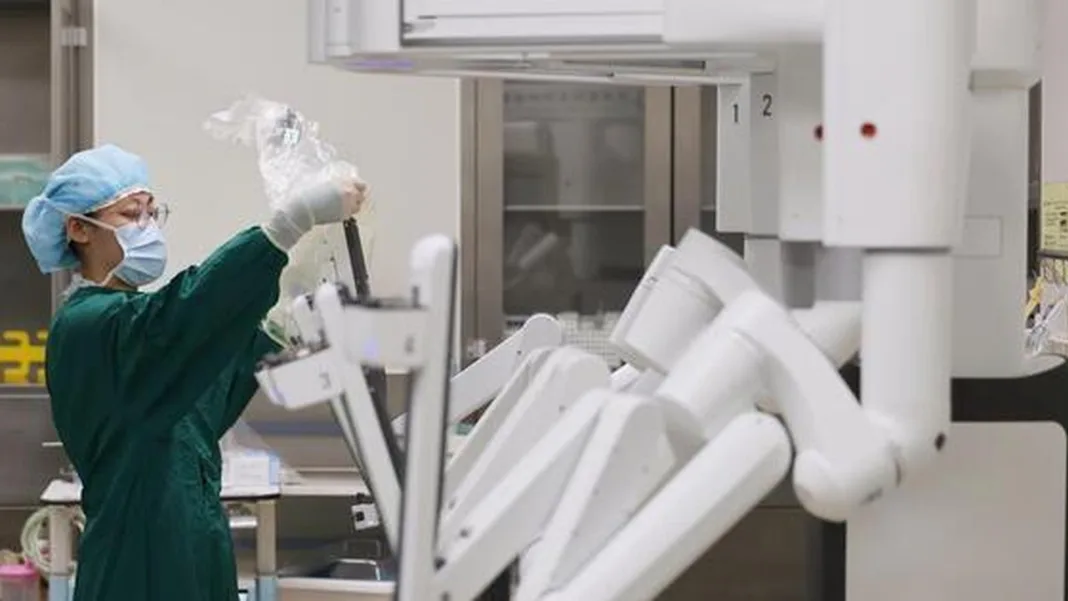
The integration of robotics also remains a notable development. Shori observed robots performing tasks such as medicine and food delivery in hospitals, hotels, and restaurants. He noted that the public has become accustomed to human-robot collaboration, viewing these technologies as practical, everyday tools rather than futuristic concepts.
The rise of these technologies has contributed to a growing trend of “tech tourism,” where international visitors travel to China to experience advancements in robotics, artificial intelligence, and electric vehicle manufacturing. Shori stated that these experiences offer visitors a window into future developments, noting that for frequent travelers like himself, these innovations have already become a standard part of daily life.
Article and image source: cambodiantimes.com