The key points are temporarily unavailable. You can still read the full Story below.
Main Points
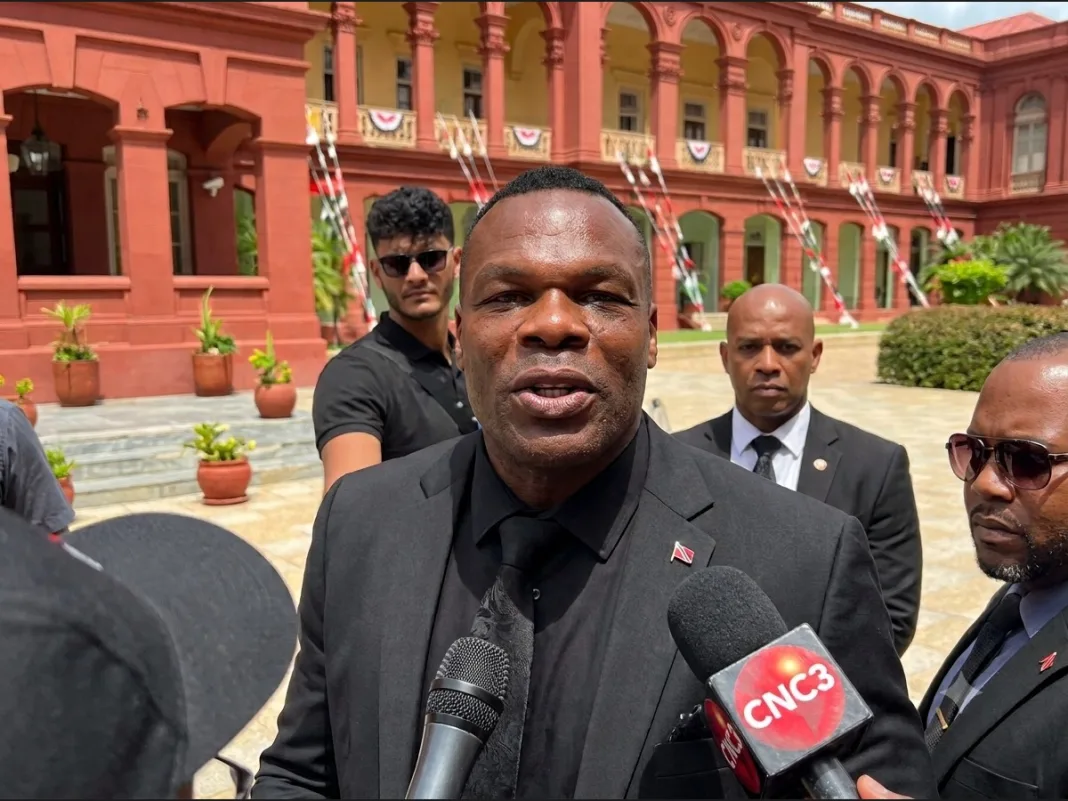
Minister of Homeland Security Roger Alexander was pressed on whether police officers would be required to wear body cameras during special operations, after questions were raised about the wording of the proposed legislation.
During an exchange with reporters, Alexander was repeatedly asked whether wearing the cameras would be mandatory.
“It is not mandatory written in the bill,” Alexander said, before adding that authorities would “work with what we have.”
When pressed for a yes or no answer on whether officers would have to wear the cameras, Alexander again pointed to the resources currently available.
The exchange comes as Parliament considers the Special Operations Bill, 2026, which provides for body-worn cameras during special operations. The legislation was introduced in the House of Representatives on September 16.
Questions have also emerged about whether the Trinidad and Tobago Police Service currently has enough functioning cameras to equip officers involved in such operations.
Police Commissioner Allister Guevarro said just over 100 body cameras are currently operational and additional units are being procured. He also raised concerns about the battery life of the existing equipment.
Alexander also criticised an earlier financing arrangement involving police equipment, arguing that money spent under that arrangement could have been used to purchase additional body cameras.
The exchange has placed renewed attention on a key practical issue surrounding the proposed special operations framework: whether sufficient body cameras will be available for officers expected to use them.