The key points are temporarily unavailable. You can still read the full Story below.
Main Points
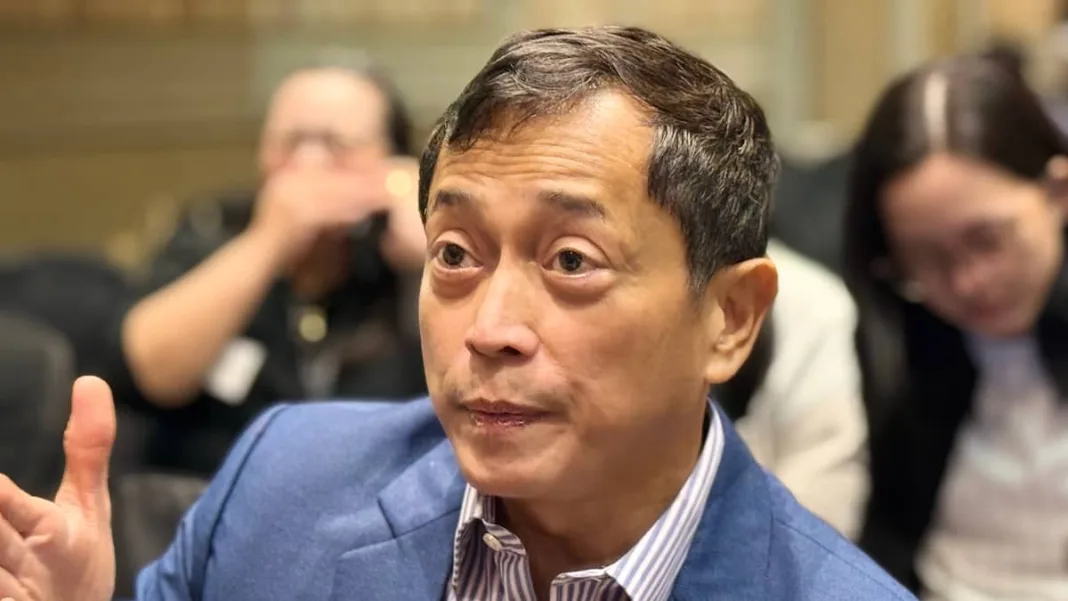
Southeast Asia’s geothermal sector faces significant challenges in attracting new investment, according to industry leaders who met at the ASEAN Energy Business Forum (AEBF) in Manila. Participants argued that current electricity procurement rules favor short‑term, low‑cost bids over the reliable, 24/7 output that geothermal plants can provide, leaving a large portion of the region’s renewable potential untapped. The forum highlighted that the region holds an estimated 34 gigawatts (GW) of geothermal resources, roughly half of the world’s total. Indonesia alone contains about 28.9 GW—85 % of the regional total—yet has developed only 9.4 % of that capacity. The Philippines has tapped 47 % of its estimated 4.3 GW potential, but expansion in both countries remains constrained by high exploration costs and lengthy permitting procedures. Jerome C. Cainglet, president and chief operating officer of First Gen’s geothermal arm, Energy Development Corp. (EDC), said procurement models must account for geothermal’s dependable supply rather than focusing primarily on short‑term electricity costs. “We must rethink how we plan grid systems and evaluate power pricing,” Cainglet said. “Transmission should be built where renewable resources exist. Procurement models must value geothermal’s fixed‑cost, 24/7 reliability rather than focusing solely on short‑term variable generation costs,” he added. Industry participants also noted that current pricing structures overlook the volatility of imported coal and natural gas prices, as well as the additional grid costs of supporting intermittent solar and wind generation. They called for stricter enforcement of Renewable Portfolio Standards and the removal of the P0.24‑per‑kilowatt‑hour cap on Renewable Energy Certificates to improve geothermal project revenues and attract investment. Dr. Jaime Austria, president of the National Geothermal Association of the Philippines, said Indonesia’s underdevelopment of its geothermal resources is partly due to high exploration costs and a 15 % risk of drilling an unsuccessful well. A single exploratory well can cost between $6 million and $10 million, and developers may spend up to $30 million across multiple wells before achieving commercial viability. Austria cited the Philippines’ $170‑million Geothermal Resource De‑risking Facility and Indonesia’s Dana Eksplorasi Panas Bumi as models for government‑backed financing support. The forum also urged governments to invest in transmission lines and access roads in geothermal‑rich areas, including through the Philippines’ Competitive Renewable Energy Zones framework, to reduce developers’ infrastructure costs. Permitting remains a major obstacle; geothermal projects in the Philippines take an average of seven to ten years to develop despite the Energy Virtual One‑Stop Shop. PT Daya Mas Bumi Sentosa director Joeffrey Caranto proposed regional training partnerships to address shortages of drilling and reservoir engineering specialists. He suggested retraining petroleum and gas engineers for geothermal development to help meet the technical workforce needs of the sector. Article source: The Daily Tribune | Image credit: The Daily Tribune
Southeast Asia’s geothermal sector faces significant challenges in attracting new investment, according to industry leaders who met at the ASEAN Energy Business Forum (AEBF) in Manila. Participants argued that current electricity procurement rules favor short‑term, low‑cost bids over the reliable, 24/7 output that geothermal plants can provide, leaving a large portion of the region’s renewable potential untapped. The forum highlighted that the region holds an estimated 34 gigawatts (GW) of geothermal resources, roughly half of the world’s total. Indonesia alone contains about 28.9 GW—85 % of the regional total—yet has developed only 9.4 % of that capacity. The Philippines has tapped 47 % of its estimated 4.3 GW potential, but expansion in both countries remains constrained by high exploration costs and lengthy permitting procedures. Jerome C. Cainglet, president and chief operating officer of First Gen’s geothermal arm, Energy Development Corp. (EDC), said procurement models must account for geothermal’s dependable supply rather than focusing primarily on short‑term electricity costs. “We must rethink how we plan grid systems and evaluate power pricing,” Cainglet said. “Transmission should be built where renewable resources exist. Procurement models must value geothermal’s fixed‑cost, 24/7 reliability rather than focusing solely on short‑term variable generation costs,” he added. Industry participants also noted that current pricing structures overlook the volatility of imported coal and natural gas prices, as well as the additional grid costs of supporting intermittent solar and wind generation. They called for stricter enforcement of Renewable Portfolio Standards and the removal of the P0.24‑per‑kilowatt‑hour cap on Renewable Energy Certificates to improve geothermal project revenues and attract investment. Dr. Jaime Austria, president of the National Geothermal Association of the Philippines, said Indonesia’s underdevelopment of its geothermal resources is partly due to high exploration costs and a 15 % risk of drilling an unsuccessful well. A single exploratory well can cost between $6 million and $10 million, and developers may spend up to $30 million across multiple wells before achieving commercial viability. Austria cited the Philippines’ $170‑million Geothermal Resource De‑risking Facility and Indonesia’s Dana Eksplorasi Panas Bumi as models for government‑backed financing support. The forum also urged governments to invest in transmission lines and access roads in geothermal‑rich areas, including through the Philippines’ Competitive Renewable Energy Zones framework, to reduce developers’ infrastructure costs. Permitting remains a major obstacle; geothermal projects in the Philippines take an average of seven to ten years to develop despite the Energy Virtual One‑Stop Shop. PT Daya Mas Bumi Sentosa director Joeffrey Caranto proposed regional training partnerships to address shortages of drilling and reservoir engineering specialists. He suggested retraining petroleum and gas engineers for geothermal development to help meet the technical workforce needs of the sector.
News Desk is the editorial publishing account for Tringlobe Media News, covering breaking news, public affairs, entertainment, community developments and regional stories across Trinidad and Tobago, the Caribbean and internationally.