The key points are temporarily unavailable. You can still read the full Story below.
Main Points
PNM Rejects Special Operations Bill, Warns Citizens to Scrutinize Expanded Police Powers
The People’s National Movement Opposition has rejected the Special Operations Bill, 2026 in its current form, warning that the proposed legislation could significantly affect constitutional rights and give police extensive powers within designated areas across Trinidad and Tobago.
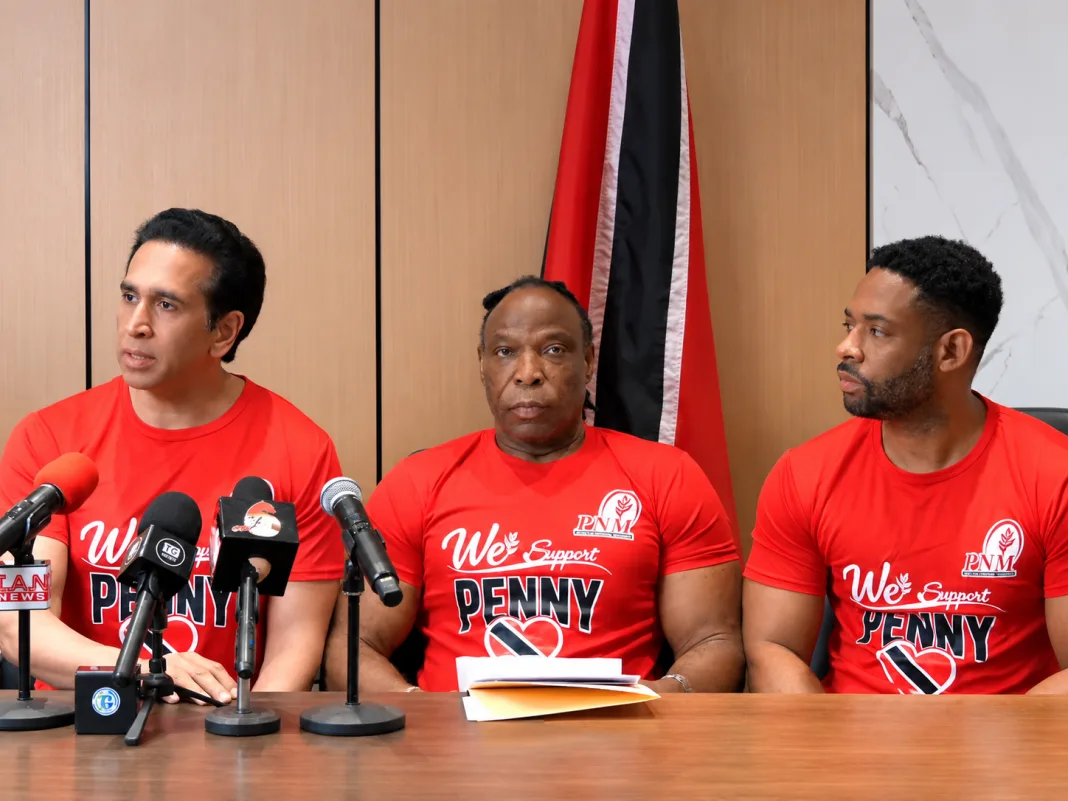
Speaking at a press conference at Balisier House on Saturday following Friday’s debate in the House of Representatives, Port-of-Spain South MP Keith Scotland SC urged citizens to carefully examine the legislation and what it could mean for communities placed under special security measures.
Scotland began by pointing to the Bill’s explanatory note, which states that the legislation seeks to establish policing districts across Trinidad and Tobago and provide for special operations to combat criminality within those districts.
The Bill establishes seven policing districts and allows police officers to conduct special operations, with Defence Force assistance available under specified circumstances. It also requires police and military personnel participating in such operations to receive training in human rights, use of force, community engagement and conflict de-escalation. ([Parliament of Trinidad and Tobago][1])
Scotland questioned whether that training had already been undertaken, arguing that the legislation was brought before Parliament before the required preparation of officers had been completed.
He also challenged the Government over public confidence in the Trinidad and Tobago Police Service, questioning whether any assessment had been conducted before proposing additional powers for police.
Scotland called on media organisations to conduct public polls on confidence in the Police Service, particularly in light of the responsibilities that senior police officers would assume under the proposed legislation.
The Opposition MP also challenged assurances that law-abiding citizens have nothing to fear from the legislation.
During his presentation, Scotland drew historical comparisons with Nazi Germany and apartheid-era South Africa, arguing that similar assurances had previously accompanied expansions of state power. His comparisons formed part of the Opposition’s argument against the Bill and were not presented as independent findings about the proposed legislation.
Scotland identified three areas that the PNM considers particularly concerning.
He pointed to the creation of seven policing districts and provisions allowing specific locations within those districts to be declared closed areas. Under the Bill, enhanced security measures within a closed area can include restrictions on entering and leaving, curfews, warrantless searches and special arrest and detention procedures. ([Trinidad Tribune][2])
He also argued that the legislation creates powers resembling those available during a State of Emergency without what the Opposition considers equivalent safeguards and parliamentary oversight.
Scotland further questioned the Government’s position that the legislation does not require a special majority in Parliament, arguing that provisions affecting freedom of movement, property and warrantless searches raise constitutional concerns.
The Government has rejected comparisons between the legislation and a State of Emergency. Attorney General John Jeremie SC told Parliament that the proposed law is intended as a targeted and temporary crime-fighting measure and does not provide security forces with powers equivalent to those available during an SOE. ([TTT News][3])
The Bill also contains a two-year sunset clause, meaning the legislation itself would expire after two years unless Parliament acts to extend or replace it. This is different from saying an individual closed area is automatically declared for two years. Reporting on the Bill notes that the revised legislation does not contain the previous ZOSO Bill’s 180-day maximum for a closed-area declaration. ([Trinidad Tribune][2])
Scotland concluded by declaring the PNM’s opposition to what he described as the latest “incarnation” of the Government’s earlier Zones of Special Operations proposal.
The Opposition is now calling for greater public scrutiny of the Special Operations Bill as debate continues over whether the proposed security powers strike an appropriate balance between fighting violent crime and protecting constitutional rights.