The key points are temporarily unavailable. You can still read the full Story below.
Main Points
Germany’s Rhine River Faces Navigation Challenges Due to Low Water Levels
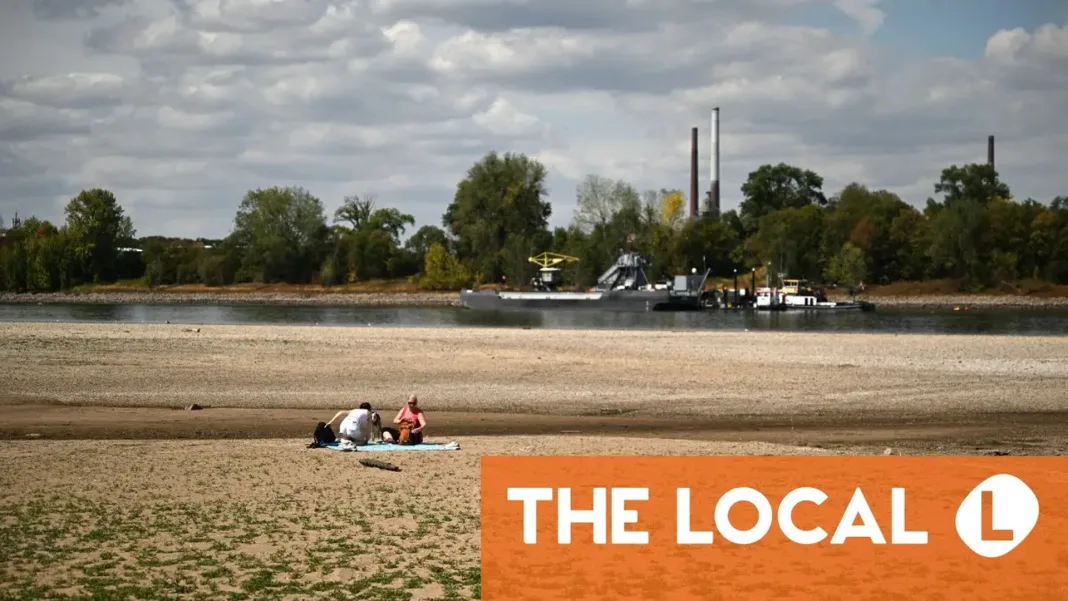
Parts of the Rhine River in Germany are becoming increasingly difficult to navigate due to record-low water levels caused by soaring summer temperatures and low rainfall. The BDB association of inland shipping has warned that the water level at the town of Kaub, a reference point for vessels, is expected to drop further this week, potentially disrupting commercial shipping in the region.
According to Jens Schwanen, managing director of the BDB, “With water levels this low, commercial shipping will no longer be able to transport goods in the region.” He added that this would effectively divide the Rhine in two, with shipping still possible in the Netherlands and parts of Germany, but not along much of the river in Germany.
The WSV agency, responsible for managing German waterways, confirmed that water levels are expected to continue to fall slightly over the coming days. While there are no bans on shipping, it is up to individual captains to decide how to adjust their cargoes to adapt to the lower waters.
The German government is closely monitoring the situation, with a transport ministry spokesman stating that they are “monitoring very closely whether the situation will turn out as described in that scenario.” The government is also considering providing help to companies that transport goods via the river, including the chemical and oil sectors, and has agreed to temporarily lift a ban on trucks driving on Sundays and public holidays.
Some German companies, such as steelmaker Thyssenkrupp and chemical giant BASF, have already begun using shallow-draft ships to continue transporting raw materials and finished products. A halt to shipping on parts of the Rhine would deal a significant blow to Germany’s economy, which is already facing challenges including the Iran war energy surge and US tariffs.
The Rhine River, which originates in the Swiss Alps and flows through several countries before emptying into the North Sea in the Netherlands, is a critical economic artery for Germany. The current situation has prompted concerns about the potential impact on the country’s economy and the need for measures to mitigate the effects of low water levels.
Article and image source: thelocal.de