The key points are temporarily unavailable. You can still read the full Story below.
Main Points
Tucked in the heart of western Luxembourg, the Guttland region offers a quiet rebellion against the pace of modern life. Nicknamed ‘the good earth’ for its fertile soil, this area is a haven for those seeking slow tourism, untouched landscapes, and a deeper connection to nature. Unlike Luxembourg’s bustling capital or its medieval castles, Guttland’s appeal lies in its understated authenticity—rolling hills, dense forests, and villages where time seems to move at its own rhythm. The region’s allure begins with its 5,000km of footpaths, part of Luxembourg’s densest pedestrian network in Europe. Hiking here isn’t just exercise; it’s an immersion in terrain that shifts from sun-dappled valleys to rugged hills, all while passing by charming villages like Esch-sur-Sûre or Wiltz. The trails cater to all levels, with adapted routes ensuring accessibility for families, cyclists, and those simply looking to stroll. For runners, the Guttland Trail weaves through some of Luxembourg’s most scenic countryside, offering a mix of challenge and reward. But Guttland’s magic extends beyond its trails. The region is a cultural crossroads, blending local heritage with artistic innovation. Festivals, heritage sites, and spaces dedicated to creativity—like the Centre Culturel de Wiltz—invite visitors to engage with Luxembourg’s traditions in unexpected ways. Whether it’s a folk music evening or a contemporary art exhibition, the area proves that rural life can be vibrant and dynamic. Food and sustainability lie at the heart of Guttland’s identity. The region’s local produce—think artisanal cheeses, organic fruits, and slow-cooked meats—reflects a commitment to sustainable agriculture. Restaurants here, often recognised by gastronomic guides, prioritise seasonal ingredients and eco-responsible practices. It’s a culinary philosophy that aligns with the region’s broader ethos: respect for nature, tradition, and innovation. For visitors, this means meals that taste like the land itself, served in settings that range from rustic farmhouses to Michelin-recommended eateries. Autumn, in particular, transforms Guttland into a painter’s palette. The forests blush with hues of amber and crimson, while the air carries the scent of damp earth and woodsmoke. It’s the perfect season to recharge, whether by hiking through golden forests, savouring hearty local dishes, or simply watching the countryside prepare for winter. Even the towns take on a softer tone, with cafés spilling onto cobblestone streets and museums offering a warm retreat from cooler weather. Guttland’s story is one of hidden depth—a region that asks visitors to slow down, look closer, and discover why some places resist the rush of modernity. For those who seek Luxembourg beyond its headlines, this is where the Grand Duchy’s soul reveals itself.
Tucked in the heart of western Luxembourg, the Guttland region offers a quiet rebellion against the pace of modern life. Nicknamed ‘the good earth’ for its fertile soil, this area is a haven for those seeking slow tourism, untouched landscapes, and a deeper connection to nature. Unlike Luxembourg’s bustling capital or its medieval castles, Guttland’s appeal lies in its understated authenticity—rolling hills, dense forests, and villages where time seems to move at its own rhythm.
The region’s allure begins with its 5,000km of footpaths, part of Luxembourg’s densest pedestrian network in Europe. Hiking here isn’t just exercise; it’s an immersion in terrain that shifts from sun-dappled valleys to rugged hills, all while passing by charming villages like Esch-sur-Sûre or Wiltz. The trails cater to all levels, with adapted routes ensuring accessibility for families, cyclists, and those simply looking to stroll. For runners, the Guttland Trail weaves through some of Luxembourg’s most scenic countryside, offering a mix of challenge and reward.
But Guttland’s magic extends beyond its trails. The region is a cultural crossroads, blending local heritage with artistic innovation. Festivals, heritage sites, and spaces dedicated to creativity—like the Centre Culturel de Wiltz—invite visitors to engage with Luxembourg’s traditions in unexpected ways. Whether it’s a folk music evening or a contemporary art exhibition, the area proves that rural life can be vibrant and dynamic.
Food and sustainability lie at the heart of Guttland’s identity. The region’s local produce—think artisanal cheeses, organic fruits, and slow-cooked meats—reflects a commitment to sustainable agriculture. Restaurants here, often recognised by gastronomic guides, prioritise seasonal ingredients and eco-responsible practices. It’s a culinary philosophy that aligns with the region’s broader ethos: respect for nature, tradition, and innovation. For visitors, this means meals that taste like the land itself, served in settings that range from rustic farmhouses to Michelin-recommended eateries.
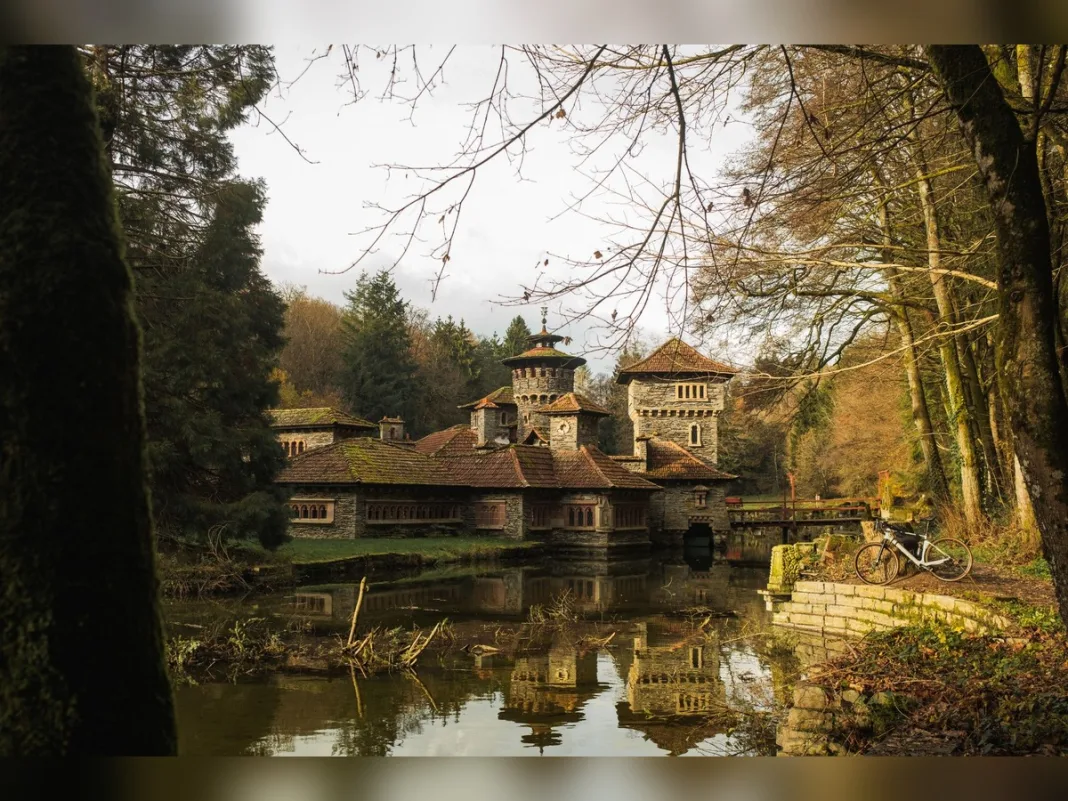
Autumn, in particular, transforms Guttland into a painter’s palette. The forests blush with hues of amber and crimson, while the air carries the scent of damp earth and woodsmoke. It’s the perfect season to recharge, whether by hiking through golden forests, savouring hearty local dishes, or simply watching the countryside prepare for winter. Even the towns take on a softer tone, with cafés spilling onto cobblestone streets and museums offering a warm retreat from cooler weather.
Guttland’s story is one of hidden depth—a region that asks visitors to slow down, look closer, and discover why some places resist the rush of modernity. For those who seek Luxembourg beyond its headlines, this is where the Grand Duchy’s soul reveals itself.
News Desk is the editorial publishing account for Tringlobe Media News, covering breaking news, public affairs, entertainment, community developments and regional stories across Trinidad and Tobago, the Caribbean and internationally.